
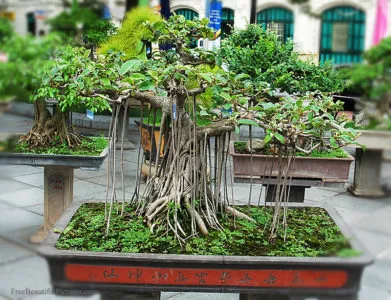
Introduction
As one of the most popular houseplants in Italy, Ficus Benjamina is a versatile and low-maintenance plant that can thrive in various environments. In this article, we will delve into the world of Ficus Benjamina bonsai, exploring its history, characteristics, care requirements, and potential issues.
What is Ficus Benjamina?
Ficus Benjamina is an evergreen tree native to tropical regions of Asia, but it has been widely cultivated in India, China, Malaysia, Philippines, northern Australia, and Pacific islands. There are many varieties of this plant, including Ficus Benjamina Exotica, Golden King, Nuda, and Mini Gold.
Ficus Benjamina Bonsai: A Beginner’s Guide
If you’re new to bonsai cultivation, Ficus Benjamina is an excellent choice. It requires minimal care and can thrive in indoor conditions with proper lighting and watering. The Ficus Benjamina bonsai is a popular choice among beginners due to its simplicity and adaptability.
History of Ficus Benjamina Bonsai
The art of bonsai cultivation dates back centuries, originating in ancient China. The Chinese would shape and prune trees to create miniature representations of nature, which were then used as symbols of good fortune and prosperity. The practice spread throughout Asia and eventually made its way to Europe, where it gained popularity among artists and gardeners.
Characteristics of Ficus Benjamina
Ficus Benjamina bonsai has several distinctive characteristics that make it a popular choice among enthusiasts:
- Evergreen: Ficus Benjamina is an evergreen tree, meaning it keeps its leaves year-round.
- Fast growth rate: Ficus Benjamina can grow rapidly, especially when provided with sufficient light and water.
- Versatile shape: Ficus Benjamina bonsai can be shaped into a variety of forms, from formal upright to informal cascade styles.
Caring for Your Ficus Benjamina Bonsai
To keep your Ficus Benjamina bonsai healthy, follow these guidelines:
- Lighting: Provide bright, indirect light but avoid direct sunlight, which can cause leaf scorch.
- Watering: Water thoroughly, allowing the soil to dry slightly between waterings. Avoid overwatering, which can lead to root rot.
- Humidity: Maintain a humid environment, but be cautious not to overdo it, as Ficus Benjamina prefers moderate humidity levels.
Pruning and Potting
Regular pruning is essential for maintaining your Ficus Benjamina bonsai’s shape and promoting healthy growth. Prune in early spring to encourage new growth and maintain the tree’s overall appearance.
- Pruning techniques: Use sharp, clean tools to prune your Ficus Benjamina bonsai, cutting just above a node (where a leaf meets the stem).
- Potting: Choose a well-draining potting mix specifically designed for indoor plants. Avoid using regular garden soil, as it can compact and prevent proper drainage.
Common Issues and Solutions
Ficus Benjamina bonsai may experience various issues, including:
- Leaf loss: Check if the plant is receiving enough light, water, or humidity.
- Pest infestations: Inspect your plant regularly for signs of pests, such as spider mites, mealybugs, or scale.
- Fungal diseases: Treat fungal infections promptly to prevent further damage.
Ficus Benjamina vs. Ficus Macrophylla
While both plants are popular among enthusiasts, they have distinct differences:
- Size: Ficus Macrophylla is a much larger tree, reaching heights of over 50 meters in its natural habitat.
- Growth habits: Ficus Macrophylla has aggressive root growth, which can lead to damage to nearby trees and soil.
Propagation Techniques
Ficus Benjamina bonsai can be propagated using various techniques:
- Stem cutting: Cut a healthy stem section from the mother tree, removing lower leaves. Plant the cutting in well-draining potting mix and keep it moist until roots develop.
- Air layering: Select a stem section with at least two nodes and wrap the area in moist sphagnum moss. Roots should develop within 2-3 months.
Fertilization
Ficus Benjamina bonsai requires balanced fertilization to promote healthy growth:
- Fertilizer type: Use a balanced, water-soluble fertilizer specifically designed for indoor plants.
- Frequency: Fertilize your Ficus Benjamina bonsai once a month during the growing season (spring-fall).
Pest Control
Regular inspections can help prevent pest infestations on your Ficus Benjamina bonsai:
- Inspect regularly: Check your plant weekly for signs of pests, such as eggs, webs, or actual insects.
- Treatment: Use insecticidal soap or neem oil to treat any infestation promptly.
Conclusion
Ficus Benjamina bonsai is an excellent choice for beginners and experienced enthusiasts alike. With proper care and attention, this plant can thrive indoors or outdoors. By understanding its needs and potential issues, you can enjoy the beauty and benefits of Ficus Benjamina bonsai for years to come.
FAQs
- What is the ideal temperature range for Ficus Benjamina?
Answer: 18-24°C (64-75°F) during the day and no lower than 15°C (59°F) at night. - How often should I water my Ficus Benjamina bonsai?
Answer: Water thoroughly, allowing the soil to dry slightly between waterings. - Can I grow Ficus Benjamina bonsai outdoors?
Answer: Yes, but be cautious of direct sunlight and extreme temperatures. - What are common pests that affect Ficus Benjamina bonsai?
Answer: Spider mites, mealybugs, scale, and other insects can infest the plant. - How do I prevent leaf loss on my Ficus Benjamina bonsai?
Answer: Check if the plant is receiving enough light, water, or humidity, and treat any fungal infections promptly. - Can I propagate Ficus Benjamina bonsai from cuttings?
Answer: Yes, but it may take several months for the new plant to establish itself. - How often should I prune my Ficus Benjamina bonsai?
Answer: Prune in early spring to encourage new growth and maintain the tree’s overall appearance. - What is the difference between Ficus Benjamina and Ficus Macrophylla?
Answer: Ficus Macrophylla is a larger, more aggressive tree with distinctive root growth habits.
Advanced Techniques
For experienced enthusiasts, here are some advanced techniques to enhance your Ficus Benjamina bonsai:
- Root pruning: Prune the roots of your Ficus Benjamina bonsai to control its size and promote healthy growth.
- Budding: Use a grafting technique to combine two or more Ficus Benjamina bonsai into one tree, creating a unique fusion.
- Re-potting: Re-pot your Ficus Benjamina bonsai every 2-3 years to provide fresh potting mix and prevent root bound.
By mastering these advanced techniques, you can unlock new levels of creativity and artistry in your Ficus Benjamina bonsai cultivation.


