
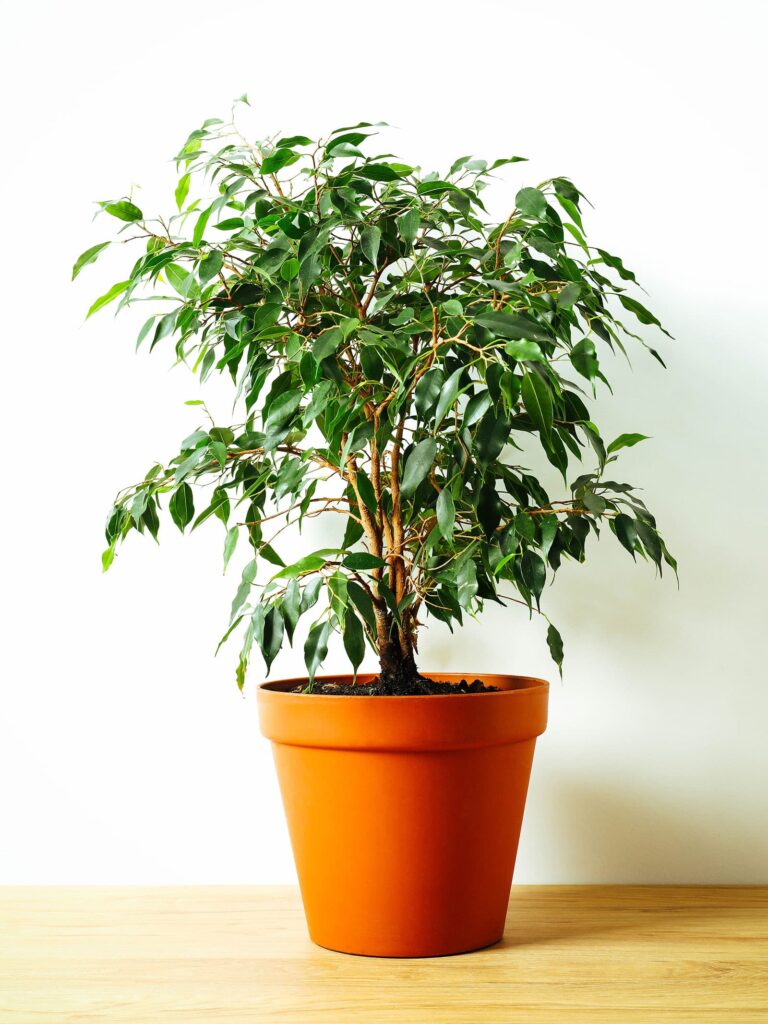
As a seasoned plant enthusiast, you’re likely no stranger to the joys of propagation. But when it comes to one of the most popular houseplants, the Ficus Benjamin (also known as the Weeping Fig), propagation can be a daunting task. In this article, we’ll delve into the world of Ficus Benjamin propagation, covering everything from the best time to propagate to the techniques and tips for success.
Understanding Propagation
Propagating plants is an art that requires patience, dedication, and a willingness to learn. For Ficus Benjamin, one of the most effective methods is through stem cutting (also known as air-layering). This technique involves taking a healthy stem section from your mother plant and rooting it in a specialized medium.
The Science Behind Propagation
Before we dive into the specifics of Ficus Benjamin propagation, let’s explore the science behind this process. Plant propagation involves several key steps:
- Hormone regulation: Plants produce hormones that regulate growth and development. In the case of Ficus Benjamin, the hormone auxin plays a crucial role in root formation.
- Cell division: As a plant grows, cells divide to form new tissues and organs. This process is essential for propagation.
- Root development: Roots are responsible for absorbing water and nutrients from the soil. In propagated plants, roots must develop quickly to support the growing plant.
When to Propagate Ficus Benjamin
Timing is everything when it comes to propagation. In our region, the best time to propagate Ficus Benjamin is during the late summer months (August to September) when the plant is actively growing. This allows for maximum root development and ensures successful rooting.
Factors Affecting Propagation Success
Several factors can impact the success of Ficus Benjamin propagation:
- Temperature: Optimal temperatures for Ficus Benjamin are between 18-20°C.
- Humidity: High humidity (50-70%) is essential for root development.
- Light: Bright, indirect light promotes healthy growth and rooting.
- Watering: Adequate watering ensures the cutting remains moist but not waterlogged.
Ficus Benjamin Propagation Techniques
There are two primary methods of Ficus Benjamin propagation: stem cutting in water or in soil.
Stem Cutting in Water
This method involves taking a healthy stem section from your mother plant, removing lower leaves, and placing the cut end in a container filled with water. The water serves as a temporary rooting medium until roots develop.
Steps:
- Choose a healthy stem section (12-15 cm long) with at least three nodes.
- Remove lower leaves, leaving only 3-4 at the top of the stem.
- Dip the cut end in a rooting hormone powder or liquid to enhance root growth.
- Place the cut end into a container filled with water.
- Maintain the water level and ensure the container is placed in indirect sunlight.
Stem Cutting in Soil
This method involves taking a healthy stem section from your mother plant, removing lower leaves, and planting it in a well-draining potting mix.
Steps:
- Choose a healthy stem section (12-15 cm long) with at least three nodes.
- Remove lower leaves, leaving only 3-4 at the top of the stem.
- Dip the cut end in a rooting hormone powder or liquid to enhance root growth.
- Plant the cut end into a well-draining potting mix, about 1-2 cm deep.
- Water thoroughly and maintain high humidity until roots develop.
Tips and Tricks
- Use a sharp, clean knife or pruning tool to minimize damage to the stem.
- Make sure the cutting has at least three nodes (the joint where the leaf meets the stem).
- Keep the propagation area warm (18-20°C) and humid.
- Avoid direct sunlight, which can cause stress on the cut end.
Air-Layering: A Bonus Method
For those who prefer a more dramatic approach, air-layering involves making a horizontal incision in the stem and securing the growing roots with wire. This method requires patience and attention to detail but yields impressive results.
Steps:
- Choose a healthy stem section (12-15 cm long) with at least three nodes.
- Make a horizontal incision about 1 inch deep, just above a node.
- Wrap the incised area with moistened sphagnum moss or coconut coir.
- Secure the moss or coir with wire and maintain high humidity until roots develop.
Common Mistakes to Avoid
When propagating Ficus Benjamin, it’s essential to avoid common mistakes:
- Overwatering: This can lead to root rot and failure.
- Underwatering: Insufficient moisture can cause the cutting to dry out and die.
- Incorrect temperature: Temperatures outside the optimal range (18-20°C) can impact rooting success.
Conclusion
Propagating Ficus Benjamin requires attention to detail and patience. By following these step-by-step guides, you’ll be well on your way to mastering this popular houseplant’s propagation techniques. Remember to choose healthy stem sections, maintain optimal temperatures and humidity, and provide adequate light. With practice and persistence, you’ll be able to share the beauty of Ficus Benjamin with friends and family.
Frequently Asked Questions
- Q: How long does it take for Ficus Benjamin roots to develop?
A: Roots can develop within 4-6 weeks in water or 6-8 weeks in soil. - Q: Can I propagate Ficus Benjamin in winter?
A: No, propagation is best done during the late summer months (August to September) when the plant is actively growing. - Q: How often should I water my propagated Ficus Benjamin?
A: Water thoroughly after planting and maintain high humidity until roots develop. Reduce watering once established. - Q: Can I propagate multiple stems at once?
A: Yes, but ensure each stem has enough room to grow and receive sufficient light. - Q: How do I care for my newly propagated Ficus Benjamin?
A: Provide bright, indirect light, maintain optimal temperatures (18-20°C), and water thoroughly.
By following these tips and techniques, you’ll be well on your way to becoming a master Ficus Benjamin propagator. Happy planting!


