
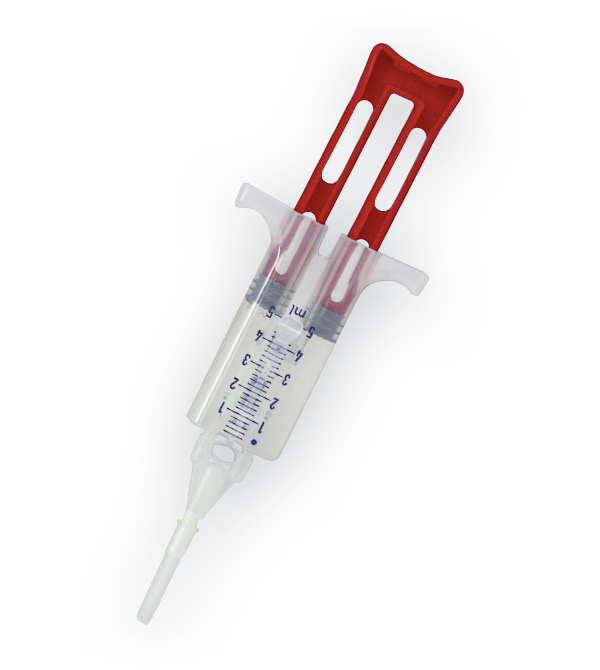
Introduction
Imagine a product that can “glue” wounds together, accelerating healing and reducing morbidity caused by blood or fluid accumulation in tissues adjacent to surgical wounds. This is the concept behind fibrin sealant, a topical adhesive used to limit bleeding and promote tissue repair. In this article, we will delve into the world of fibrin sealant, exploring its history, uses, benefits, and potential future applications.
What is Fibrin Sealant?
Fibrin sealant is a product derived from fibrinogen, one of two components of fibrin sealant, which also includes thrombin. When applied to the wound site, these components are administered in succession in the presence of calcium ions to recreate thrombin, converting fibrinogen into fibrin within 10 seconds at most.
Autologous vs. Commercial Fibrin Sealants
Two types of fibrin sealant exist: autologous and commercial. Autologous fibrin sealant is a homemade version obtained from single units of plasma through cryoprecipitation, whereas commercial products extract fibrinogen from large pools of plasma using the Cohn fractionation process.
How Fibrin Sealant Works
To apply fibrin sealant, the two components are administered in succession in the presence of calcium ions. This sequence triggers a series of reactions that ultimately convert fibrinogen into fibrin, creating a clot that adheres well to tissues within seconds. Over several days, this clot is completely absorbed, stimulating tissue repair and growth processes.
Fibrin Sealant: Pharmacy Availability
In pharmacies, you can find various products labeled as fibrin sealants but presented under more familiar commercial names, such as Tiseel, Biocol, and Beriplast. These products are classified as vitamin K antiemorrhagic drugs and local emostatic agents.
Cost of Fibrin Sealant
The use of fibrin sealants in Italy is not widespread due to its high cost, which ranges from 80-100 euros/mL. However, considering its use scope and efficacy compared to other similar products, this price may be justified.
Fibrin Sealant in Dentistry
This sealant is also used after dental extractions, particularly when patients show an elevated risk of bleeding due to surgical intervention. Additionally, it can be applied to corneal transplants without suturing, although its main use is to facilitate tissue adhesion.
Applications and Fields of Use
Fibrin sealants are used in various fields, including cardiovasculary, thoracic, and neurological surgery, abdominal and hepatic surgery, as well as maxillofacial surgery. They are particularly useful for facilitating tissue adhesion, co-aiding surgical sutures, and promoting blood flow.
Research and Development
Researchers from Empa have identified the “gluing” effect of certain nanoparticles, which could result in a new sealant that can close difficult wounds more effectively than fibrin sealant. This development aims to address postoperative complications, especially with deep wounds at risk of bleeding.
Potential Future Applications
One potential future application of fibrin sealants is in the field of tissue engineering and regenerative medicine. By using fibrin sealants to facilitate tissue adhesion and promote healing, researchers hope to develop new methods for repairing damaged tissues and organs.
Another potential future application is in the field of wound management. Fibrin sealants have been shown to be effective in reducing bleeding and promoting healing in various types of wounds, including diabetic foot ulcers and venous leg ulcers.
Comparison with Other Adhesives
Fibrin sealant has several advantages over other adhesives used in surgical settings. For example, it is more biocompatible than traditional sutures and can be applied to large surfaces without compromising tissue integrity. Additionally, fibrin sealants are less likely to cause allergic reactions or postoperative complications compared to other adhesives.
However, there are also some limitations to the use of fibrin sealant. For example, it is more expensive than traditional sutures and may not be effective in all types of wounds. Furthermore, the use of fibrin sealants can be limited by their availability and accessibility.
Safety Profile
Fibrin sealant has a generally good safety profile, but as with any medical device, there are potential risks associated with its use. These include:
- Allergic reactions: Fibrin sealant may cause allergic reactions in some patients, which can range from mild to severe.
- Postoperative complications: Fibrin sealant may increase the risk of postoperative complications, such as bleeding and infection.
- Hemorrhage: Fibrin sealant may not be effective in all types of wounds, particularly those that are deep or large.
Despite these potential risks, fibrin sealant has been shown to be an effective and safe treatment option for a variety of surgical applications.
Conclusion
Fibrin sealant is an innovative product that has revolutionized wound healing and tissue adhesion. Its benefits are undeniable, but its high cost may limit its widespread adoption. As researchers continue to explore new applications and develop more effective versions, fibrin sealant will remain in medical history, paving the way for future breakthroughs.
Frequently Asked Questions (FAQs)
Q: What is fibrin sealant used for?
A: Fibrin sealant is used to “glue” wounds together, accelerating healing and reducing morbidity caused by blood or fluid accumulation in tissues adjacent to surgical wounds.
Q: How does fibrin sealant work?
A: Fibrin sealant works by inducing immediate clotting, converting fibrinogen into fibrin within 10 seconds at most.
Q: What are the benefits of using fibrin sealant?
A: The benefits of using fibrin sealant include reduced morbidity, faster healing, and improved tissue repair.
Q: Is fibrin sealant expensive?
A: Yes, fibrin sealant is relatively expensive, with a price range of 80-100 euros/mL.
Q: Can fibrin sealant be used for dental extractions?
A: Yes, fibrin sealant can be used after dental extractions to prevent bleeding and promote healing.
Q: Is research on new applications for fibrin sealant ongoing?
A: Yes, researchers from Empa are exploring the development of a new sealant based on nanoparticles that can close difficult wounds more effectively than fibrin sealant.
Q: Can fibrin sealant be used in combination with other surgical sutures?
A: Yes, fibrin sealant can be used to aid surgical sutures and promote tissue adhesion.
Q: What are the potential risks associated with using fibrin sealant?
A: Potential risks include undesirable immune reactions and postoperative complications.


