
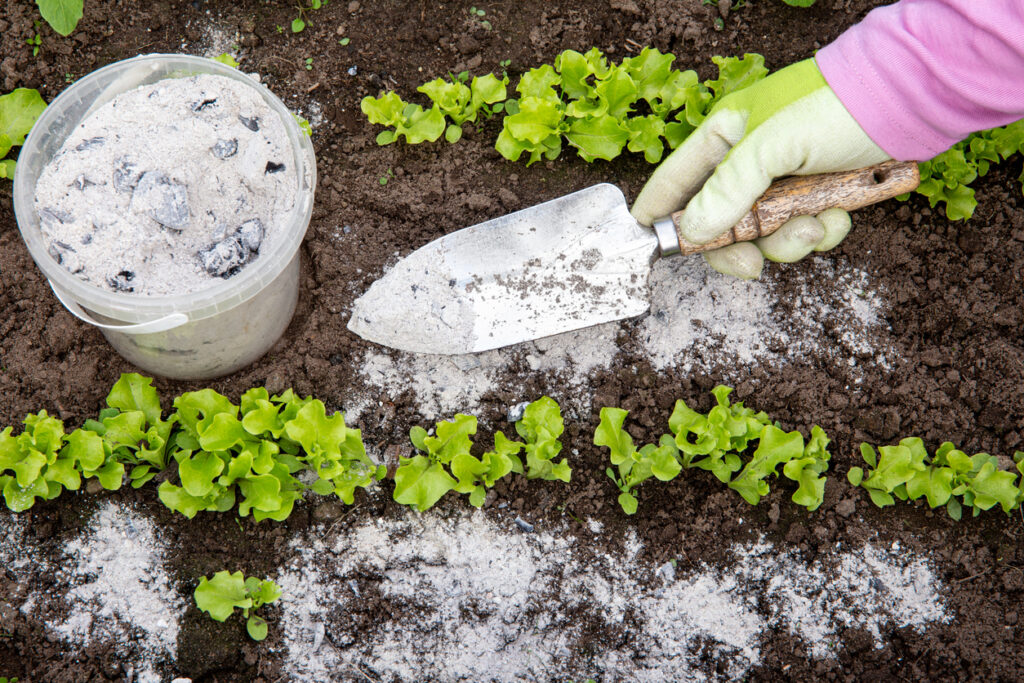
The Art of Using Ash as a Fertilizer: A Guide to Nourishing Your Garden
As an ancient practice, using ash as a fertilizer has gained popularity in recent years due to its natural and cost-effective benefits. But what exactly can ash do for your garden, and how can you effectively use it? In this comprehensive guide, we’ll delve into the world of ash fertilization, exploring its history, benefits, and application methods.
What is Ash Fertilization?
Ash fertilization involves using ash from wood-burning sources like fireplaces or stoves as a natural fertilizer for your garden. This practice dates back to ancient times, when people recognized the nutritional value of ash in promoting healthy plant growth. By applying ash to your soil, you can provide essential nutrients like phosphorus and potassium, making it an excellent organic fertilizer.
Why Use Ash Fertilization?
Ash fertilization offers several benefits for gardeners:
- Rich in phosphorus and potassium, making them ideal for plant growth
- Natural and non-toxic, eliminating the need for chemical-based fertilizers
- Cost-effective, as you likely have ash on hand from your fireplace or stove
- Can help improve soil pH and structure
What Nutrients Does Ash Contain?
Ash is a rich source of essential nutrients:
- Phosphorus: Promotes root development and plant growth.
- Potassium: Helps with overall plant health and resistance to disease.
- Magnesium: Involved in photosynthesis and plant growth.
- Calcium: Supports cell wall development and structure.
How to Use Ash Fertilization
To reap the benefits of ash fertilization, follow these guidelines:
- Apply the Right Amount: Mix 15-25 kg of ash per 100 square meters of garden space.
- Integrate with Compost: Combine ash with compost for a balanced fertilizer.
- Target Specific Plants: Use ash to fertilize specific plants, such as trees or shrubs.
Benefits of Ash Fertilization in Specific Situations
- Tree and Shrub Care: Apply ash around the base of trees and shrubs, following a 80 cm radius from the trunk.
- Compost Domestic: Integrate ash into your compost pile to enhance its nutrient-rich properties.
Tips for Effective Ash Fertilization
- Mix with Water: Mix ash with water before applying it to your soil to create a more easily absorbed fertilizer.
- Avoid Over-Application: Avoid over-applying ash, as excessive amounts can harm plants and soil health.
- Combine with Other Fertilizers: Combine ash with other fertilizers for a balanced nutrient profile.
Benefits of Ash Fertilization in Specific Plant Species
- Trees: Use ash to fertilize trees, particularly oak and maple species.
- Shrubs: Apply ash around the base of shrubs, following a 80 cm radius from the trunk.
- Vegetables: Use ash as a natural fertilizer for vegetables like tomatoes and cucumbers.
Common Mistakes to Avoid
- Over-Application: Avoid over-applying ash, as excessive amounts can harm plants and soil health.
- Inadequate Mixing: Mix ash with water before applying it to your soil to create a more easily absorbed fertilizer.
- Insufficient Application: Apply the recommended amount of ash per 100 square meters of garden space.
Conclusion
Ash fertilization is an eco-friendly alternative for gardeners looking to boost their plants’ growth. By understanding the benefits and application methods of ash fertilization, you can create a healthier, more thriving garden. With the right guidance, you can unlock the full potential of ash fertilization and enjoy a bountiful harvest.


