
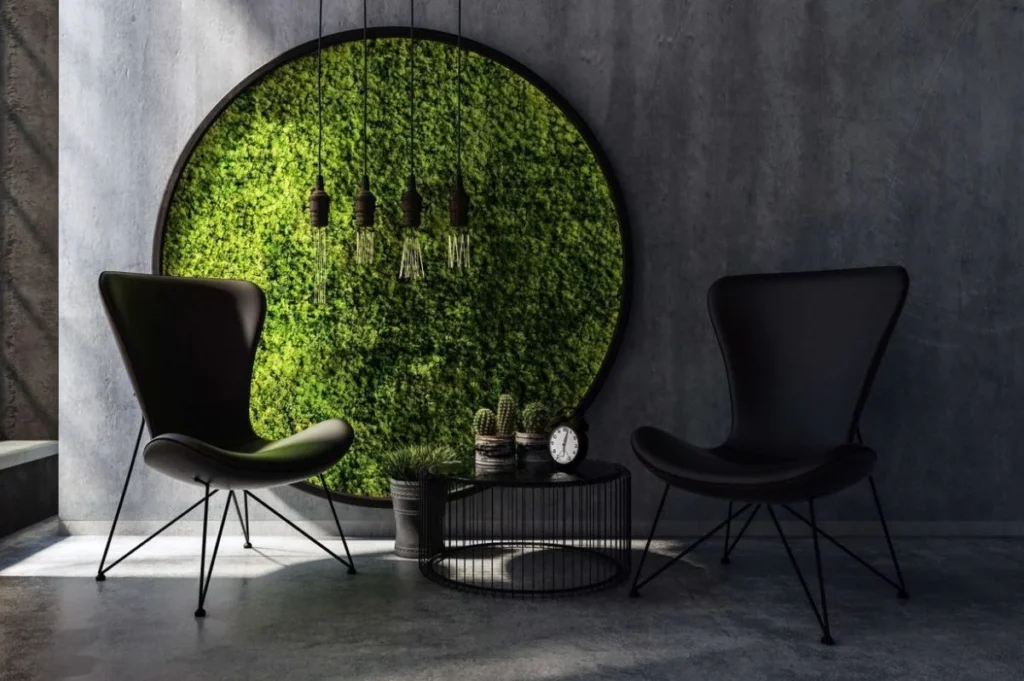
As we go about our daily lives, it’s easy to overlook the impact that our surroundings have on our mental and physical well-being. However, the ancient art of Feng Shui recognizes the profound influence that our environment can have on our health and happiness. In this article, we’ll delve into the world of Feng Shui, exploring its principles, benefits, and how it can be applied to architecture and interior design.
What is Feng Shui?
Feng Shui is an ancient Chinese philosophy that seeks to balance and harmonize the energies in a given space. The term “Feng Shui” literally translates to “wind-water,” symbolizing the flow of energy (chi) in a particular area. This concept is rooted in Taoism, which emphasizes living in harmony with nature.
The Five Elements of Feng Shui
At its core, Feng Shui is based on five elements: metal, water, wood, fire, and earth. These elements are considered the building blocks of the universe and are believed to influence our lives in various ways. Understanding these elements is essential to applying Feng Shui principles in architecture and interior design.
- Metal: Represented by colors such as white, gray, and black, metal elements are associated with clarity, precision, and logic.
- Water: Associated with the color blue, water represents flow, movement, and adaptability.
- Wood: Wood is represented by green and natural materials, symbolizing growth, renewal, and creativity.
- Fire: Fire is represented by colors such as red, orange, and yellow, signifying energy, warmth, and inspiration.
- Earth: Earth represents stability, security, and grounding, often associated with colors like beige, brown, and taupe.
How Feng Shui Works
Feng Shui works by manipulating the flow of energy (chi) in a space to create a balance between yin and yang energies. Yin represents receptivity, coolness, and darkness, while yang represents creativity, warmth, and light. By arranging elements such as colors, shapes, and materials in harmony with the five elements, we can achieve a balanced and harmonious environment.
Applying Feng Shui in Architecture
Feng Shui is not just limited to interior design; it can also be applied to entire buildings and structures. Architects and builders who understand Feng Shui principles can create spaces that promote health, happiness, and prosperity. Some key strategies include:
- Natural Light: Maximize natural light by incorporating skylights, large windows, and mirrors.
- Green Spaces: Incorporate plants and greenery to purify the air and improve the aesthetic appeal of a space.
- Materials: Choose materials that are eco-friendly, durable, and aesthetically pleasing.
Feng Shui in Interior Design
Feng Shui can also be applied to interior design by selecting colors, shapes, and materials that resonate with the five elements. Some key considerations include:
- Colors: Choose colors that correspond to the element associated with a particular area of your life (e.g., red for energy and stimulation).
- Shapes: Incorporate shapes that reflect the element’s characteristics (e.g., circular shapes for balance and harmony).
- Textures: Select textures that are pleasing to the touch and promote relaxation.
The Benefits of Feng Shui
By applying Feng Shui principles, you can create a space that promotes health, happiness, and prosperity. Some benefits include:
- Improved Mental Clarity: A balanced environment can improve focus, concentration, and mental clarity.
- Enhanced Creativity: A space that resonates with the elements can stimulate creativity and innovation.
- Better Relationships: By creating a harmonious environment, you can foster stronger relationships with others.
Common Feng Shui Mistakes
While Feng Shui offers many benefits, there are also common mistakes to avoid:
- Over-Decoration: Avoid over-decorating a space, as this can create clutter and disrupt the flow of energy.
- Ignoring Color Psychology: Pay attention to color psychology when selecting colors for your space.
- Not Considering Personal Energy: Take into account your personal energy and preferences when applying Feng Shui principles.
FAQs
Here are some frequently asked questions about Feng Shui:
- What is the difference between Feng Shui and interior design?
- Feng Shui is an ancient Chinese philosophy that seeks to balance and harmonize the energies in a given space, while interior design focuses on aesthetics and functionality.
- Can Feng Shui improve my mental health?
- Yes, Feng Shui can help improve your mental health by creating a balanced environment that promotes relaxation and reduces stress.
- How do I apply Feng Shui principles in my home?
- Start by identifying the five elements associated with each area of your life (e.g., color, shape, texture) and selecting materials and colors that resonate with those elements.
Advanced Feng Shui Techniques
For those looking to take their Feng Shui practice to the next level, here are some advanced techniques to consider:
- Bagua Map: Use the Bagua map to identify areas of your life that correspond to specific locations in your home.
- Chi Flow: Learn how to manipulate chi flow by using tools such as mirrors and crystals.
- Personal Energy: Develop a deeper understanding of personal energy and how it relates to Feng Shui.
By embracing Feng Shui principles, you can create a space that promotes health, happiness, and prosperity. Whether you’re an architect, builder, or homeowner, incorporating Feng Shui into your design can have a profound impact on your life.


