
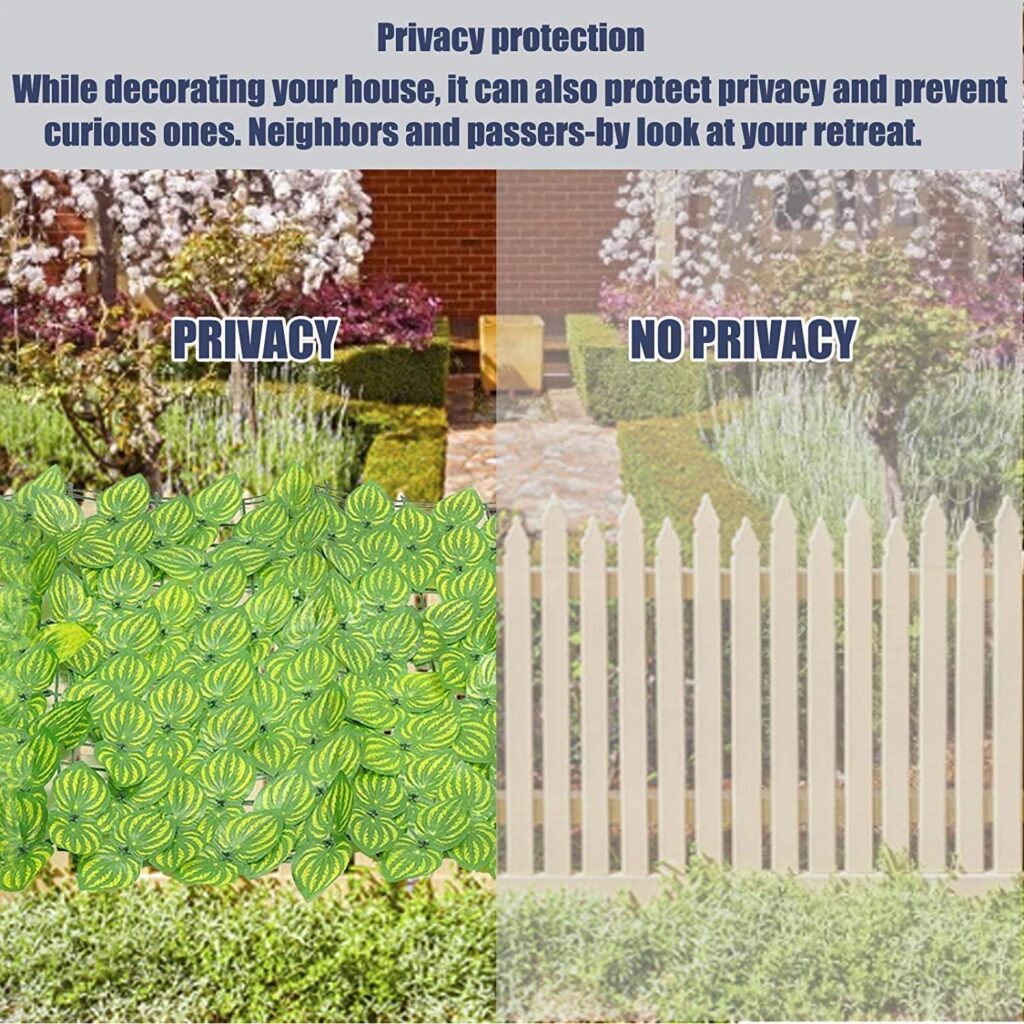
As you’re searching for a beautiful way to create an outdoor screen for your courtyard or garden, you’ve come to the right place. With just a few simple plants, you can significantly enhance your privacy while adding beauty to your surroundings.
That’s why we’ve selected some of the best plants for screening in this article. Let’s explore them together!
Content
- Bamboo
- Cacti
- Boxwood
- Artificial Topiaries
- Olive Trees
- Photinia
- Cypresses
- Vines
Bamboo: A Modern and Stylish Choice
Starting with bamboo, you might not think it’s the first option for screening purposes. However, it adds height and a modern touch to outdoor spaces. A row of bamboo can create a beautiful green wall around your pool or garden.
While some types of bamboo can be invasive and difficult to maintain, others have clustering roots that grow more slowly than their “wild” counterparts.
Bamboo is also a great choice for creating a natural screen due to its ability to block wind, noise, and even harsh sunlight. Additionally, it’s a highly versatile plant that can be used in various ways, such as a living fence or a decorative accent wall.
When choosing bamboo for screening purposes, consider the following factors:
- Growth rate: Some types of bamboo grow faster than others, so choose one that fits your desired level of coverage.
- Maintenance requirements: Bamboo requires regular pruning and maintenance to prevent overgrowth and maintain its shape.
- Climate suitability: Not all bamboo species are suitable for every climate. Choose a type that’s tolerant of extreme temperatures and humidity levels.
Cacti: Modern and Unique Screening Options
Another unconventional choice for screening is cacti. They offer fantastic modern options for screening, with a touch of artistry! Cacti are perfect for hot and dry climates where they naturally thrive, making them an excellent option for creating a unique screen.
When selecting cacti for screening purposes, consider the following factors:
- Spine density: Thicker-spined cacti can provide better protection from wind and weather, but may be more challenging to prune.
- Soil requirements: Cacti require well-draining soil to thrive. Choose a type that’s suitable for your local climate.
- Lighting requirements: Most cacti species prefer full sun to partial shade, depending on the species.
Boxwood: An Evergreen Screening Solution
The boxwood (or buxus) is an ideal evergreen plant for screening purposes. It’s easy to care for and can be kept in vases or containers. You can place it in tall and narrow pots to add height and create a customizable fence.
When selecting boxwood for screening purposes, consider the following factors:
- Variety selection: Choose a variety that’s suitable for your climate and desired level of coverage.
- Pruning requirements: Regular pruning is necessary to maintain the shape and density of the boxwood.
- Soil requirements: Boxwood prefers well-draining soil with a slightly acidic pH.
Artificial Topiaries: Quick and Easy Solutions
If you need a quick and easy solution for screening purposes, artificial topiaries might be the way to go. For example, artificial boxwood is gaining popularity as a perfect solution if time isn’t on your side for growing real trees. Another benefit of using artificial topiaries is that maintaining perfectly shaped natural plants can be time-consuming and expensive; these, on the other hand, only require being imbullonated in planters for a clean and modern look.
When selecting artificial topiaries for screening purposes, consider the following factors:
- Material selection: Choose a material that’s durable, weather-resistant, and easy to clean.
- Size and shape: Select a size and shape that fits your desired level of coverage and style.
- Style options: Consider different styles, such as traditional, modern, or whimsical.
Olive Trees: A Rapidly Growing Screening Option
The olive tree is another attractive option for screening purposes. It grows rapidly during spring and has tall slanting formations that make it perfect for creating a screen.
As they grow more upright, they are ideal for placing in front of walls or other structures that don’t need complete coverage.
When selecting olive trees for screening purposes, consider the following factors:
- Variety selection: Choose a variety that’s suitable for your climate and desired level of coverage.
- Pruning requirements: Regular pruning is necessary to maintain the shape and density of the olive tree.
- Soil requirements: Olive trees prefer well-draining soil with a slightly acidic pH.
Photinia: A Versatile Screening Plant
The Photinia offers an extensive coverage as well as shiny leaves that add richness to your outdoor space. This evergreen plant is often used for achieving better privacy according to personal preferences. You can either allow it to grow naturally, prune and shape it as needed, or combine it with other plants.
You can also use a fence or screen behind the Photinia to create an interesting look when pruning this plant.
When selecting Photinia for screening purposes, consider the following factors:
- Variety selection: Choose a variety that’s suitable for your climate and desired level of coverage.
- Pruning requirements: Regular pruning is necessary to maintain the shape and density of the Photinia.
- Soil requirements: Photinia prefers well-draining soil with a slightly acidic pH.
Cypresses: A Timeless Screening Solution
There’s nothing like the majestic silhouette of a cypress tree for adding a timeless touch to your outdoor space. Since this tree grows tall and narrow, it’s perfect for planting in rows and creating a natural screen around your garden or pool area.
Keep in mind that the lifespan of a cypress tree is relatively short, with estimates between 10 and 20 years.
Before adding any plant to your garden, make sure to research thoroughly. This way, you can weigh costs and maintenance responsibilities against the longevity of your investment.
When selecting cypresses for screening purposes, consider the following factors:
- Variety selection: Choose a variety that’s suitable for your climate and desired level of coverage.
- Pruning requirements: Regular pruning is necessary to maintain the shape and density of the cypress tree.
- Soil requirements: Cypress trees prefer well-draining soil with a slightly acidic pH.
Vines: A Versatile Screening Option
For screening purposes when there’s an opening or gap in a fence (in other words, not fully “private”), a good climbing vine is an excellent solution. The Clematis vine is an ideal choice for its rapid growth and beautiful flowers. However, make sure you’re prepared to trim it regularly to keep it under control.
In conclusion,
Conclusion:
Creating a natural screen with plants can be both practical and aesthetically pleasing. By considering the following options – Bamboo, Cacti, Boxwood, Artificial Topiaries, Olive Trees, Photinia, Cypresses, and Vines – you’ll find the perfect solution for your outdoor space.
Here are some frequently asked questions that address key concerns related to this topic:
Frequently Asked Questions:
-
What type of plants should I use for screening purposes?
Choose plants with a combination of fast growth rate, moderate maintenance needs, and attractive foliage or flowers. -
How do I select the best plant species for my climate?
Research plants native to your region, as they are more likely to thrive in local conditions and require less care. -
What is the optimal density for a screening screen?
The ideal density depends on personal preference. Thicker screens offer greater coverage but may be less effective than thinner screens. -
Can I combine different types of plants for a unique look?
Absolutely! Mixing plants with varying growth habits and textures creates an interesting and visually appealing combination. -
How often should I prune my screening plants?
Regular pruning is necessary to maintain desired shapes, promote healthy growth, and encourage flowering or fruiting. -
What is the best way to care for my screening plants?
Water them regularly, provide adequate sunlight, and fertilize according to plant requirements. -
Can I grow a screening screen indoors?
Yes! You can create a beautiful indoor screen using plants like Philodendrons or ferns in containers. -
How long do screening screens last?
The lifespan of a screening screen depends on various factors, including climate, maintenance, and plant selection.


