
As a responsible cat owner, it’s natural to want to protect your feline friend from diseases. One of the most serious health issues affecting cats is Feline Leukemia Virus (FeLV). In this article, we’ll delve into the world of FeLV, exploring its symptoms, treatment options, and prevention strategies.
What is FeLV?
FeLV is a viral disease that affects the immune system of cats. It’s caused by a retrovirus that attacks the bone marrow, leading to anemia, immunodeficiency, and increased susceptibility to infections. If left untreated, FeLV can be fatal.
Types of FeLV Infection
There are three main types of FeLV infection:
- Acute FeLV: A sudden onset of symptoms, often accompanied by a severe decrease in white blood cell count.
- Chronic FeLV: A gradual decline in the cat’s immune system over time.
- Latent FeLV: A period where the virus is present but not actively replicating.
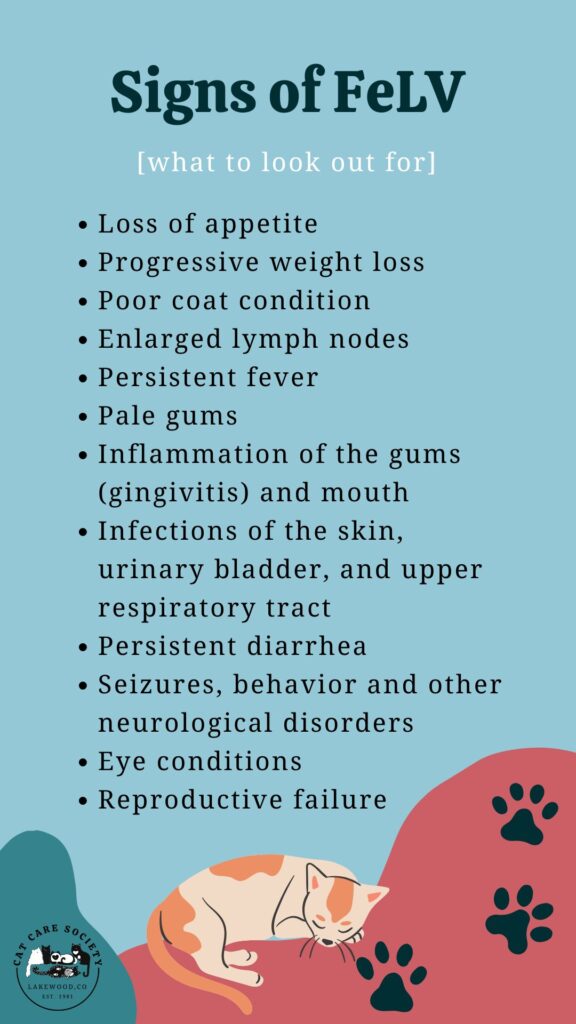
Symptoms of FeLV
The symptoms of FeLV can vary depending on the severity of the infection and the individual cat. Common signs include:
- Weight loss
- Loss of appetite
- Pale gums or tongue
- Increased risk of infections (e.g., pneumonia, urinary tract infections)
- Swollen lymph nodes
Transmission of FeLV
FeLV is highly contagious among cats. It can be transmitted through:
- Direct contact: Through biting, scratching, or licking.
- Indirect contact: Through contaminated food, water, or litter boxes.
Preventing FeLV Infection
While there’s no cure for FeLV, vaccination and proper hygiene practices can help prevent the disease. Here are some measures you can take:
- Vaccinate your cat against FeLV if they’re not already infected.
- Ensure your cat receives regular check-ups with their veterinarian.
- Keep your home clean by regularly disinfecting surfaces, toys, and litter boxes.
Treatment of FeLV
While there’s no cure for FeLV, treatment options are available to manage the symptoms and improve quality of life. These include:
- Antiviral medications: To slow down the replication of the virus.
- Immunotherapy: To stimulate your cat’s immune system.
Living with a Cat Infected with FeLV
While it may be difficult to accept, cats infected with FeLV can still live happy and healthy lives with proper care. Here are some tips:
- Ensure your cat receives regular veterinary check-ups.
- Provide a nutritious diet and plenty of fresh water.
- Keep your home clean and hygienic.
Conclusion
FeLV is a serious disease that affects many cats worldwide. By understanding the symptoms, transmission, and treatment options, you can take steps to protect your feline friend. Remember, while there’s no cure for FeLV, proper care and attention can improve quality of life for cats infected with this disease.
Frequently Asked Questions (FAQs)
Q: Can I contract FeLV from my cat?
A: No, humans cannot contract FeLV from their feline friends. The virus is specific to cats.
Q: How long does a cat with FeLV live?
A: The lifespan of a cat with FeLV varies depending on the severity of the infection and treatment options.
Q: Can I treat my cat’s FeLV at home?
A: While some symptoms can be managed at home, it’s essential to consult a veterinarian for proper diagnosis and treatment.
Q: Can other animals contract FeLV from cats?
A: No, other animals are not susceptible to the Feline Leukemia Virus.
Q: What is the difference between FeLV and FIV?
A: Both FeLV and FIV are retroviruses that affect cats. The main difference is that FIV is more contagious than FeLV and affects older cats more often.
Q: Can I still have a healthy cat if they have a low FeLV antibody level?
A: Yes, having a low FeLV antibody level does not necessarily mean your cat is immune to the disease. Regular veterinary check-ups are still necessary to monitor their health.
FeLV and Pregnancy
Cats infected with FeLV can pass the virus to their kittens during pregnancy or through nursing. This highlights the importance of testing pregnant cats for FeLV and taking steps to prevent transmission.
FeLV in Kittens
Kittens can be born with FeLV if their mother is infected. It’s essential to have your kitten tested for FeLV at around six months old, regardless of whether they’ve been exposed to the virus or not.
Preventing FeLV Transmission in Multi-Cat Households
FeLV is highly contagious among cats, so it’s crucial to take precautions when living with multiple felines. Here are some tips:
- Keep your cat indoors as much as possible.
- Ensure all cats receive regular veterinary check-ups.
- Regularly disinfect surfaces and toys.
Conclusion: Protecting Your Feline Friend from FeLV
FeLV is a serious disease that affects many cats worldwide. By understanding the symptoms, transmission, and treatment options, you can take steps to protect your feline friend.


