
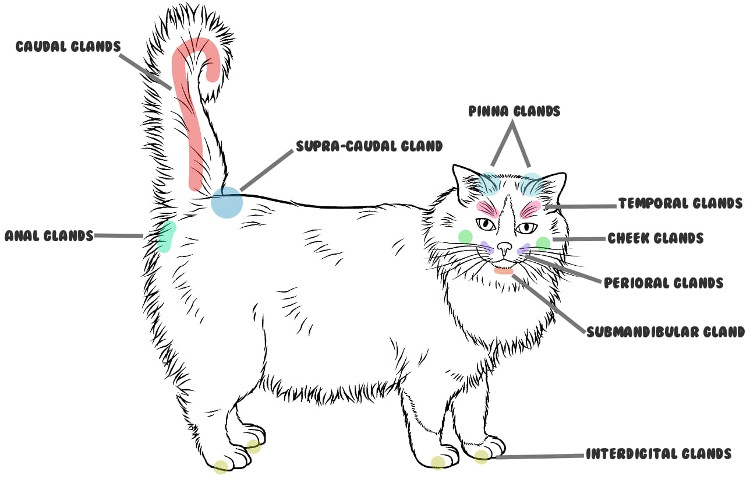
As a cat owner, you’ve likely noticed your feline friend’s unique way of communicating with you and other animals. While we can’t directly ask our cats what they’re saying, research has shown that pheromones play a crucial role in their behavior and interactions. In this article, we’ll delve into the world of feline pheromones, exploring what they are, why they matter, and how to use them to improve your cat’s life.
What Are Feline Pheromones?
Pheromones are chemical signals that animals release into their environment to convey information. In cats, these scent markings help establish territory, attract mates, and signal status. Unlike humans, who have a highly developed sense of smell but no specific “olfactory language,” cats use pheromones to communicate in a way that’s both subtle and powerful.
History of Feline Pheromone Research
The study of feline pheromones dates back to the 1970s, when scientists first began exploring the role of scent markings in cat behavior. Since then, research has continued to uncover the complexity and importance of these chemical signals. In 1985, a team of scientists at Ciba-Geigy (now part of Novartis) discovered a synthetic pheromone that mimicked the calming effects of a mother cat’s pheromones. This discovery led to the development of Feliway, a product that has since become widely used by cat owners around the world.
How Are Pheromones Produced?
Cats produce pheromones through special glands located around their face, neck, and body. These glands contain scent organs that release pheromone particles into the air, which can then be detected by other cats through their highly developed olfactory system. For example, a mother cat’s pheromones help her kittens recognize her as their mother, while a dominant male cat’s pheromones signal his presence to subordinate males.
Types of Feline Pheromones
There are several different types of feline pheromones, each with its own specific function:
- Mother-kin pheromone: Released by a mother cat during nursing and social interaction, this pheromone helps her kittens recognize her as their mother.
- Territorial marker pheromone: Used to define territory and warn other cats to stay away, this pheromone is released by a dominant male cat.
- Social status pheromone: Released by a dominant male or female cat, this pheromone signals their social status and dominance over subordinate animals.
- Stress and anxiety pheromone: Released in response to stress or anxiety, this pheromone helps cats communicate their emotional state.
What Do Pheromones Tell Us?
Pheromones convey a range of information, including:
- Territorial markers: Cats use pheromones to define their territory and warn other cats to stay away. This is especially important for male cats, who need to establish dominance.
- Social signals: Pheromones help cats recognize each other’s reproductive status, dominance, and friendliness. For example, a female cat in heat will release pheromones that attract males, while a mother cat’s pheromones signal her nurturing behavior.
- Stress and anxiety: Cats can detect the pheromones released by humans or other animals during times of stress or anxiety. By mimicking these pheromones, we can help calm our cats in stressful situations.
Using Pheromone Products to Improve Your Cat’s Life
While we can’t replicate a cat’s natural pheromone production, there are products available that mimic these chemical signals. Feliway, for example, is a synthetic pheromone product designed to mimic the calming effects of a mother cat’s pheromones.
Benefits of Using Pheromone Products
Using pheromone products can have numerous benefits for your cat’s behavior and well-being, including:
- Reduced stress and anxiety: By mimicking the calming effects of a mother cat’s pheromones, Feliway can help reduce your cat’s stress levels.
- Improved social behavior: Pheromone products can help your cat feel more confident and calm around other animals, reducing aggression and fear-based behaviors.
- Easier adaption to new environments: By using pheromone products during the transition process, you can help your cat adjust to new homes, people, or pets more easily.
Frequently Asked Questions
Here are some answers to common questions about feline pheromones:
Q: Can I use pheromone products on my kitten?
A: Yes! Pheromone products like Feliway can be used on kittens as young as 8 weeks old to help reduce stress and anxiety.
Q: How do I know if my cat is releasing pheromones?
A: Cats release pheromones naturally through scent markings, such as scratching posts or rubbing against surfaces. You might also notice changes in your cat’s behavior or vocalization when they’re feeling stressed or anxious.
Q: Can I use pheromone products on other animals?
A: While Feliway is specifically designed for cats, there are similar products available for dogs and other animals that mimic their natural pheromones.
Q: Are pheromone products safe for my cat to ingest?
A: No! Pheromone products should not be ingested by your cat. Always follow the manufacturer’s instructions for use and keep these products out of reach of children and pets.
Tips for Using Pheromone Products
If you’re considering using pheromone products, here are some tips to keep in mind:
- Consult with a veterinarian: Before starting any new product, consult with your veterinarian to ensure it’s safe and effective for your cat.
- Follow the manufacturer’s instructions: Read the label carefully and follow the recommended use instructions.
- Start slowly: Begin with small amounts or short sessions to gauge your cat’s reaction to the pheromone product.
Conclusion
Feline pheromones are an essential aspect of a cat’s natural behavior and communication. By understanding how pheromones work and using products that mimic these chemical signals, we can improve our cats’ lives and strengthen our bond with them. Whether you’re looking to reduce stress and anxiety or simply want to better understand your cat’s behavior, pheromone products are worth exploring.
Future Research Directions
While Feliway has revolutionized the way we think about feline pheromones, there is still much to be learned. Future research directions include:
- Understanding the mechanisms of pheromone detection: How do cats detect and interpret pheromonal signals?
- Exploring the role of pheromones in human-cat interactions: Can pheromone products improve human-cat relationships?
- Developing new pheromone-based treatments: Could other types of pheromone products be developed to address specific behavioral issues?
By continuing to explore and understand feline pheromones, we can unlock the secrets of our feline friends’ behavior and create a more harmonious and loving relationship with them.


