
1. Introduction to Feline Acne
Feline acne is a common skin condition that affects cats of all ages, from young kittens to senior felines. While it may seem like a minor issue, feline acne can be frustrating for cat owners and can lead to secondary infections if left untreated. In this article, we will explore the causes, symptoms, and natural remedies for feline acne.
2. What is Feline Acne?
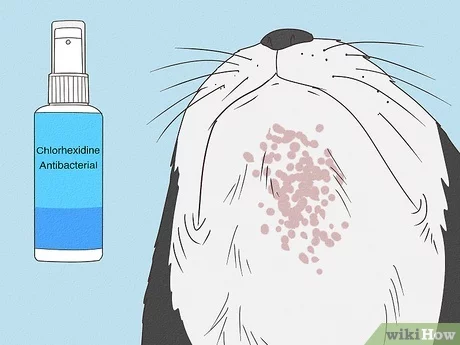
Feline acne is an inflammation of sebaceous glands in cats. It can degenerate into an infection, leading to painful and unsightly lesions on a cat’s face, particularly around the mouth and nose. The condition is more common in cats with allergies, digestive issues, hormonal imbalances, or skin parasites.
3. Causes of Feline Acne
While the exact causes of feline acne are still unknown, several factors can contribute to its development:
- Stress or anxiety: Cats that experience stress or anxiety may develop feline acne as a result.
- Poor hygiene (e.g., using plastic food and water bowls): Using plastic bowls can harbor bacteria and other microorganisms that can lead to infections.
- Allergies or sensitivities to certain foods or substances: Some cats may have allergies or sensitivities to certain ingredients in their diet, leading to inflammation of the sebaceous glands.
- Digestive issues or gut problems: Cats with digestive issues or gut problems may be more prone to developing feline acne.
- Hormonal imbalances: Hormonal changes can lead to inflammation and irritation of the skin, which can contribute to feline acne.
- Skin parasites like fleas or mites: Fleas and mites can cause skin irritation and lead to infections that can exacerbate feline acne.
4. Symptoms of Feline Acne
The initial symptoms of feline acne include:
- Blackheads or whiteheads on the cat’s face, especially around the mouth and nose
- Redness and inflammation in the affected areas
- Itching or scratching at the lesions
- Secondary infections like folliculitis or furunculosis: If left untreated, feline acne can lead to secondary infections that can be painful and unsightly.
5. Recognizing Feline Acne
Identifying feline acne is relatively easy, as it typically presents with distinct symptoms:
- Clinical examination by a veterinarian
- Observation of skin lesions and inflammation
- Elimination of other possible causes through diagnostic testing (if necessary)
6. Natural Remedies for Feline Acne
While antibiotics may be prescribed in severe cases, several natural remedies can help alleviate feline acne:
- Regular grooming to remove dirt and debris: Keeping your cat’s face clean can help reduce the risk of developing feline acne.
- Using a gentle cleanser or soap specifically formulated for cats: Choose a mild soap that is pH-balanced for your cat’s skin.
- Applying tea tree oil or lavender essential oil directly to the affected areas (diluted with a carrier oil): These oils have antibacterial and anti-inflammatory properties that can help soothe and calm the skin.
- Using a calendula-based solution to soothe and calm the skin: Calendula is a natural antiseptic and anti-inflammatory agent that can help reduce redness and inflammation.
7. Preventing Feline Acne
Preventing feline acne involves maintaining good hygiene, ensuring your cat’s diet is balanced, and reducing stress:
- Replace plastic food and water bowls with ceramic or metal alternatives: Plastic bowls can harbor bacteria and other microorganisms that can lead to infections.
- Provide regular veterinary check-ups to monitor your cat’s health: Regular check-ups can help identify potential causes of feline acne before it becomes a problem.
- Keep your home clean and free of allergens: Regular cleaning and decluttering can help reduce the risk of developing feline acne.
- Consider stress-reducing measures like pheromone diffusers or calming treats: Stress can exacerbate skin problems, so reducing stress can help prevent feline acne.
8. When to Seek Veterinary Attention
If your cat is experiencing persistent or severe acne, it’s essential to consult with a veterinarian:
- Regular check-ups can help identify potential causes and prevent complications
- Veterinarians can prescribe antibiotics or other treatments as needed: Antibiotics may be necessary if the infection becomes severe.
- In some cases, surgical intervention may be necessary to drain abscesses or remove infected tissue: Surgery should only be considered in severe cases when other treatments have failed.
9. Dietary Changes for Feline Acne
Dietary changes can play a role in preventing and managing feline acne:
- Feed a balanced diet rich in omega-3 fatty acids: Omega-3 fatty acids have anti-inflammatory properties that can help reduce skin inflammation.
- Avoid foods high in sugar and salt: Consuming high amounts of sugar and salt can lead to skin problems, including acne.
- Consider adding supplements like probiotics or prebiotics: Probiotics and prebiotics can help maintain a healthy gut microbiome, which is essential for overall health.
10. Managing Feline Acne
Managing feline acne requires patience, persistence, and the right treatments:
- Follow your veterinarian’s recommendations for treatment: Your veterinarian may prescribe antibiotics or other treatments as needed.
- Maintain good hygiene to prevent secondary infections: Regular cleaning and grooming can help reduce the risk of developing secondary infections.
- Consider natural remedies to alleviate symptoms: Natural remedies like tea tree oil, lavender essential oil, and calendula-based solutions can help soothe and calm the skin.
11. Common Misconceptions About Feline Acne
There are several common misconceptions about feline acne:
- Feline acne is contagious: Feline acne is not contagious from cat to cat.
- Feline acne is caused by poor hygiene: While poor hygiene can contribute to feline acne, it is not the primary cause.
- Feline acne only affects young cats: Feline acne can affect cats of all ages.
12. Conclusion
Feline acne is a common skin condition that requires attention and treatment from your veterinarian. By understanding its causes, recognizing its symptoms, and using natural remedies, you can help alleviate feline acne and prevent secondary infections. Regular grooming, maintaining good hygiene, and reducing stress are also essential for preventing feline acne.


