
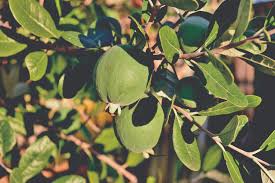
Introduction to the Feijoa
The feijoa (Feijoa sellowiana) is a versatile fruit plant that offers a unique combination of flavor, nutrition, and ornamental value. Native to South America, this evergreen shrub has gained popularity worldwide for its edible fruits and attractive foliage.
Characteristics of the Feijoa Plant
Appearance
The feijoa plant boasts oval-shaped leaves with a waxy coating, measuring 2-3 cm in length. Its flowers are borne in clusters, displaying a white-rosy hue, although this period is relatively short, lasting only 20 days between May and June.
Fruit Characteristics
Feijoa fruits exhibit a unique appearance, shaped like oval-shaped baccas with weights ranging from 60 to 100 grams. The characteristic feature of the feijoa fruit lies in its green, smooth skin that persists even when fully mature. When ripe, the fruit displays a sweet, aromatic taste and white or pale yellow flesh with granular consistency.
Why Feijoa Fruits are Rarely Found on Markets
Feijoas are hardly available on markets due to their high susceptibility to decay. Therefore, these fruits should be consumed immediately after harvesting or within 7-10 days. This limited shelf life is a major challenge for farmers and gardeners who grow feijoas.
Growing Feijoa Plants
Climatic Requirements
Feijoa plants thrive in warm environments with adequate protection from wind and cool temperatures. They require full sun to partial shade, with average temperatures ranging between 15°C and 30°C (59°F-86°F).
Soil Preferences
Feijoa prefers well-draining soils that allow for proper water circulation. The ideal pH range is between 5.5 and 6.5, although it can tolerate slightly acidic or alkaline conditions.
Propagation Techniques
To cultivate feijoas, start by planting seeds or seedlings 4-5 meters apart. When planting seeds, create a shallow hole about 40 cm deep with an additional layer of mature compost on the bottom. Alternatively, you can use grafting techniques to propagate new plants.
Common Problems Encountered when Growing Feijoa Plants
Pests and Diseases
Feijoas are susceptible to pests such as aphids, whiteflies, and caterpillars, which can cause damage to leaves and fruit. Regularly inspect your plants for signs of infestation or disease, taking prompt action if necessary.
Watering Issues
Feijoa plants require consistent moisture levels, especially during their first year of growth. Avoid overwatering, as this can lead to root rot and other problems.
Harvesting and Preserving Feijoa Fruits
Feijoas ripen gradually between late September to early November. To maximize their shelf life, these fruits should be consumed within a few days after harvesting or stored properly in a cool, dry place.
Hand-picking vs. Machine Harvesting
Both hand-picking and machine harvesting methods have their advantages and disadvantages. Hand-picking allows for more precise control over the ripening process, while machines can cover larger areas but may cause damage to delicate fruit.
Nutritional Value of Feijoa Fruits
The feijoa fruit is rich in essential vitamins like C and B6, along with minerals such as iodine and potassium. The nutritional benefits of feijoas make them an excellent addition to a healthy diet.
Rich in Antioxidants
Feijoa fruits are packed with antioxidants, which can help protect against cell damage and oxidative stress.
Tips for Enjoying Feijoa Fruits
Using Feijoas in Baking and Cooking
Feijoas can be used in various baked goods and desserts, such as pies, cakes, and smoothies. Their sweet, slightly tart flavor makes them an excellent addition to many recipes.
Adding Feijoas to Salads and Sides
Feijoa fruits can also be added to salads, served as a side dish, or even used in savory sauces and marinades.
Growing Feijoa Plants in Containers
While it is possible to grow feijoas in containers, this method requires more attention to watering schedules and protection from frost. Use large pots with good drainage and a well-draining potting mix specifically designed for fruit plants.
Tips for Container Growing
To ensure success when growing feijoas in containers, follow these tips:
- Choose a container that is at least 60 cm deep and has a wide enough diameter to accommodate the plant’s root system.
- Use a well-draining potting mix specifically designed for fruit plants.
- Provide regular fertilization, pruning, and pest control to maintain the health of your feijoa plant.
Conclusion
Feijoas are fascinating plants that can enhance your garden’s aesthetic appeal while providing delicious fruits. To cultivate these rare plants, ensure they receive adequate sunlight, protection from wind, and proper watering techniques. With their unique flavor and nutritional benefits, feijoas have the potential to become a staple fruit in many gardens worldwide.
Frequently Asked Questions (FAQs)
Q: Where is the feijoa native to?
A: The feijoa plant originates in South America.
Q: What are the ideal conditions for growing a feijoa plant?
A: Feijoas thrive best under warm and well-ventilated conditions, protected from cold temperatures.
Q: Can I grow a feijoa plant indoors?
A: While possible, cultivating feijoas in containers may require more attention to watering schedules and protection from frost.
Q: How do I protect my feijoa plants from extreme temperatures?
A: By implementing protective measures such as layering with mulch or using specialized insulation materials.
Q: What are the typical nutritional benefits of feijoa fruits?
A: Feijoas are rich in vitamins C, B6, iodine, and potassium.
Q: How often should I fertilize my feijoa plants?
A: Typically fertilized every three years during springtime with a balanced fertilizer, adding 10-15 kilograms of compost per plant.


