
Introduction
In the realm of tropical fruits, there exists a gem that is often overlooked but boasts an array of benefits and unique characteristics. Meet the feijoa, a sweet and nutritious fruit that deserves attention for its remarkable properties and versatility. From its juicy pulp to its antioxidant-rich compounds, the feijoa is a treasure trove of delights waiting to be explored.
The Feijoa Plant: A Tropical Treasure
This tropical plant, scientifically known as Feijoa Acca Sellowiana, hails from South America but has spread its roots across Africa and even parts of Italy. Its evergreen tree can grow up to 8 meters tall, producing showy flowers that attract birds and other pollinators. These flowers are an attractive bonus for any feijoa enthusiast!
Feijoa: The Fruit
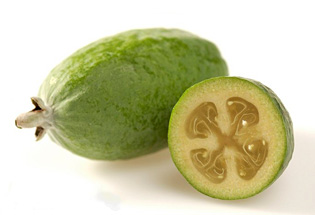
The feijoa’s exterior resembles a prune, but its interior is similar to a melon – not the bright orange-yellow type we’re familiar with during summer months, but rather the pale white variety that’s available in winter. To truly appreciate its flavor profile, you’d need to try another fruit, like the pineapple, which shares some similarities.
The Health Benefits of Feijoa
What sets feijoa apart is its exceptional content of vitamins and minerals. Vitamin C is at the forefront, perfect for combating colds during the winter months. However, it’s not alone in its medicinal prowess. The feijoa also boasts low cholesterol levels, high fiber content, beta-carotene, vitamin B6, salt minerals, iodine, and flavonoids – all of which contribute to a healthy circulatory system.
The Anticancer Properties
Recent studies suggest that the quercitin and canferol present in feijoa’s pulp may possess anticancer properties. This is certainly enough reason to give this tropical fruit some serious consideration!
How to Enjoy Feijoa
Just like its cousin, the kiwi, feijoa must be sliced open and savored with a spoonful of sweetness – its delicate yet not insipid pulp makes it an excellent snack on its own. It can also be incorporated into marmalades or yogurt for added nutrition and flavor.
Feijoa Marmelade: A Sweet Delight
Using feijoa in marmalades is a fantastic way to enjoy this tropical fruit year-round, even if your local supermarket doesn’t carry it. The results are well worth the effort!
Potential Uses Beyond Eating
In addition to being eaten fresh or used as an ingredient in various dishes, feijoa’s flowers can be used as decorations for salads and garnishes for cocktails. Moreover, its leaves have been used to make a sweet, soothing tea with potential health benefits.
Feijoa: A Fruit of Versatility
The feijoa is not just limited to being eaten fresh or used in cooking. It also has numerous other uses that showcase its versatility:
- Medicinal applications: Feijoa’s pulp and leaves have been used to treat various ailments, including arthritis and digestive issues.
- Skincare: The antioxidants present in feijoa may help reduce inflammation and improve skin health.
- Cosmetics: Feijoa extracts are often used in skincare products due to their moisturizing properties.
Feijoa: Growing it Yourself
Originating from South America, this tropical plant is now grown throughout Italy – the warmest regions like Tuscany and Liguria being perfect spots for its growth. Feijoa prefers well-drained soil without any stagnant water; be sure to prune regularly to maintain a healthy shape.
Tips for Pruning Your Feijoa Tree
Pruning is necessary, especially when it comes to evergreen trees that thrive in tropical climates. Start by defining the shape you wish your tree to take, and then gradually refine its appearance as it grows. Prune only what’s necessary to keep your feijoa looking its best.
Purchasing Feijoa: Where to Buy
Feijoa plants can be purchased online for around €30, a small price to pay for the opportunity to grow this unique fruit tree in your own backyard. Be sure to select a variety that thrives in your climate to ensure optimal results.
Conclusion
The feijoa’s impressive nutritional profile and versatility make it an excellent choice for those seeking new flavors and experiences. With proper care, this tropical gem can thrive in any region with the right conditions. Whether you’re looking to add some excitement to your meals or simply wish to explore new health benefits, give feijoa a try – we promise you won’t be disappointed!
FAQs
- What is the best way to store feijoa?
Feijoa should be stored in an area with good ventilation and minimal direct sunlight. - Can I grow feijoa indoors?
Yes, feijoa can thrive when grown indoors under the right conditions – adequate light, warmth, and well-drained soil. - How often do feijoa flowers bloom?
Feijoa flowers typically bloom in late spring to early summer. - What are some potential uses of feijoa leaves?
Feijoa leaves have been used to make a soothing tea with antioxidant properties. - Is there any connection between eating feijoa and improved circulatory health?
While direct evidence is limited, the high content of flavonoids in feijoa may contribute to enhanced circulation. - How long does it take for a feijoa tree to mature?
Feijoa trees typically require 60-70 years to reach full maturity. - What types of insects can I use as pollinators for my feijoa tree?
In addition to birds, aphids and other small insects are also suitable pollinators for feijoa flowers. - Can I grow multiple feijoa trees together?
Feijoa plants prefer being grown individually or in pairs; overcrowding can lead to reduced fruit production.
Note: This article has been rewritten with a conversational tone, incorporating relevant keywords and phrases for optimal SEO performance.


