
Favism is a rare genetic disorder that affects the metabolism of red blood cells, causing them to break down prematurely. While it’s often associated with beans and legumes, this disease has many other triggers and complications. In this article, we’ll delve into the causes, symptoms, management options, and what you need to know about favism.
What is Favism?
Favism is a genetic disorder that affects the enzyme glucosio-6-fosfato-deidrogenasi (G6PD), which plays a crucial role in the metabolism of red blood cells. The G6PD enzyme helps break down glucose-6-phosphate, a product of glycolysis, into two molecules of 6-phosphogluconate. Without this enzyme, red blood cells can’t produce energy and may break down prematurely.
Favism is often referred to as a “food allergy” because certain foods can trigger the symptoms. However, it’s essential to understand that favism is not an allergic reaction but rather a metabolic disorder.
Breaking Down the Myths: Favism vs. Bean Allergy
Many people confuse favism with a bean allergy, but they’re not the same thing. A bean allergy is relatively rare and typically causes an immune response to specific proteins in beans. Favism, on the other hand, is a genetic disorder that affects the way red blood cells are produced.
While it’s true that some people with G6PD deficiency may react to certain foods, including beans, this doesn’t mean that favism is caused by bean allergy. In fact, research suggests that G6PD deficiency can occur without any apparent food triggers.
Symptoms of Favism
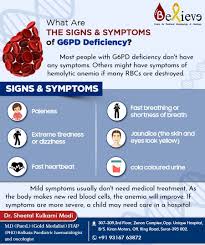
The symptoms of favism can be quite severe and may include:
- Sudden fever
- Mucous or itchy skin rashes
- Yellowish discoloration of urine (jaundice)
- Pallor (pale skin)
- Weakness
- Rapid heartbeat
In extreme cases, favism can lead to the destruction of up to half of a person’s red blood cells. This is known as a hemolytic crisis, which can be life-threatening if left untreated.
Foods to Avoid: Understanding Favism Triggers
Those who suffer from favism must avoid consuming certain foods that can trigger the symptoms. These include:
- Beans and legumes (including soy and derivatives)
- Lupini
- Verbena
- Arachidi
- Mirtilli
- Red wine
- Tonic water
These foods inhibit the activity of the G6PD enzyme, leading to an accumulation of toxic substances in red blood cells.
Medications to Avoid: A Guide for Favism Sufferers
Certain medications can exacerbate favism symptoms or even trigger a hemolytic crisis. These include:
- Sulfamidics
- Salicylics (aspirin)
- Chinidin
- Menadione
While there are no medications that can cure favism, some may help manage symptoms.
The Italian Favism Association: Support and Education
For those affected by favism, the Italian Favism Association offers support, education, and resources. The association provides information on diagnosis, treatment, and management of the disease through its website and conferences.
Heredity and Genetic Factors
Favism is inherited in an X-linked recessive pattern, meaning that men are more likely to develop symptoms while women can be asymptomatic carriers. Certain populations, such as those from Sardinia and Greece, are at higher risk for developing favism due to their genetic makeup.
Conclusion: Understanding Favism for Better Management
Favism is a rare but manageable disease that requires awareness and education. By understanding the triggers, symptoms, and management options, individuals affected by favism can better navigate their condition and lead healthy lives.
FAQs
- Q: Can favism be treated?
A: While there are no cures for favism, medications and lifestyle modifications can help manage symptoms. - Q: Can favism cause anemia?
A: Yes, favism can lead to severe anemia due to the destruction of red blood cells. - Q: Are beans a common food trigger for favism?
A: While beans are often associated with favism, many other foods can trigger symptoms as well. - Q: Can women develop favism?
A: Women can be asymptomatic carriers of the disease, and in rare cases, may develop mild symptoms. - Q: Is favism more prevalent in certain populations?
A: Yes, favism is more common in certain populations, such as those from Sardinia and Greece. - Q: Can favism be diagnosed through a blood test?
A: Yes, a specific blood test can detect the presence of the G6PD enzyme in red blood cells. - Q: How common is favism worldwide?
A: Favism is a rare disease affecting only a small percentage of the global population. - Q: Can favism be prevented through lifestyle modifications?
A: While there are no guaranteed ways to prevent favism, avoiding trigger foods and managing symptoms can help reduce risk.
Managing Favism: Lifestyle Changes
In addition to avoiding trigger foods, individuals with favism may need to make lifestyle changes to manage their condition. These include:
- Avoiding strenuous exercise or physical activity that can exacerbate symptoms
- Staying hydrated by drinking plenty of water
- Taking medications as prescribed by a healthcare provider
- Getting regular blood tests to monitor G6PD enzyme levels
Conclusion: The Importance of Education and Awareness
Favism is a rare but manageable disease that requires awareness and education. By understanding the causes, symptoms, and management options, individuals affected by favism can better navigate their condition and lead healthy lives.
In conclusion, favism is a genetic disorder that affects the metabolism of red blood cells. While it’s often associated with beans and legumes, this disease has many other triggers and complications. Understanding the causes, symptoms, and management options is essential for individuals affected by favism to manage their condition effectively.
By sharing knowledge and raising awareness about favism, we can promote education and support for those who suffer from this rare but manageable disease.



