
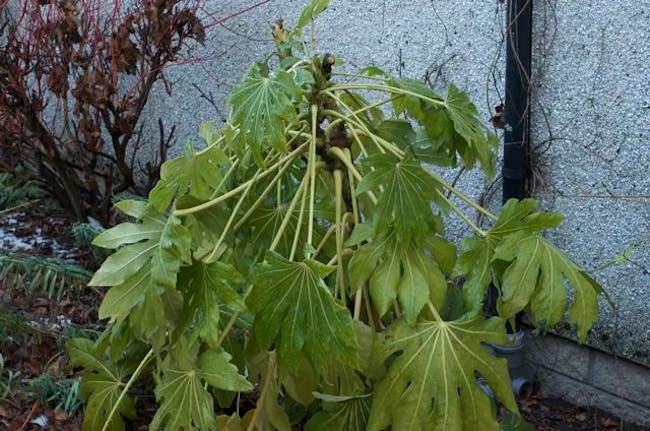
As an ornamental plant, Fatsia japonica has gained popularity for its beautiful leaves and attractive umbrella-like flowers. But did you know that this Asian native can also thrive in gardens and yards? In this article, we’ll delve into the world of Fatsia japonica, exploring its cultivation requirements, health issues, and fascinating facts.
What is Fatsia Japonica?
Fatsia japonica is a member of the Araliaceae family, native to the Asian continent. It’s a versatile plant that can be used as an ornamental or for shade provision in gardens and yards. With its striking foliage and vibrant flowers, it’s no wonder why Fatsia japonica has become a favorite among gardeners.
History and Origin
Fatsia japonica is believed to have originated from the Japanese archipelago and later spread to Europe. It thrives in temperate climates with moderate temperatures. This plant is also known for its slow growth rate, making it an ideal choice for beginner gardeners.
Types of Fatsia Japonica
There are several cultivars of Fatsia japonica, each offering unique characteristics:
- Variegata: Features leaves with a yellowish-green margin and deep green lobes.
- Aurea: Displays variegated foliage with golden undertones.
- Marginata: Boasts leafy lobes with grayish-green coloration and white margins.
Health Issues
While Fatsia japonica is relatively low-maintenance, it’s susceptible to certain pests and diseases:
- Spider mites: Small, spider-like insects that can cause yellowing leaves.
- Mealybugs: White, cottony growths on the stems and leaves.
- Scale insects: Armored pests that can cause damage to the plant.
To prevent infestations, it’s essential to:
- Inspect the plant regularly for signs of pests
- Use neem oil or insecticidal soap to treat affected areas
- Increase humidity around the plant by misting with water
Cultivation Requirements
For optimal growth and health, Fatsia japonica requires specific conditions:
- Temperature: 10°C – 18°C (50°F – 64°F)
- Light: Partial shade to full sun
- Water: Keep the soil consistently moist but not waterlogged
- Fertilization: Feed with a balanced fertilizer during the growing season
Caring for Fatsia Japonica
To keep your Fatsia japonica looking its best, follow these care tips:
- Regularly inspect the leaves for signs of pests or disease
- Use a soft-bristled brush to gently remove dust and debris from the leaves
- Prune dead or damaged leaves to maintain plant health
- Repot every 2-3 years to refresh the soil and provide a larger pot if necessary
Propagation Methods
Fatsia japonica can be propagated through:
- Division: Carefully separate the roots of the mother plant, making sure each division has at least one growing point.
- Stem cuttings: Take 4-6 inch stem sections, remove lower leaves, and plant in a pot filled with moistened soil. Keep the soil consistently moist until roots develop.
Pruning and Training
To maintain the shape and promote healthy growth of your Fatsia japonica:
- Prune back overgrown branches to encourage new growth.
- Train the plant against a support or trellis to add visual interest.
Fertilization and Pest Control
To keep your Fatsia japonica thriving, fertilize during the growing season (spring-fall) with a balanced fertilizer. For pest control, use neem oil or insecticidal soap as needed.
Conclusion
Fatsia japonica is a stunning addition to any garden or yard. With its unique foliage and vibrant flowers, it’s an ideal choice for those looking to add some visual interest to their outdoor space. By understanding the plant’s cultivation requirements and health issues, you can ensure your Fatsia japonica thrives for years to come.
Frequently Asked Questions (FAQs)
Q: Can I grow Fatsia japonica indoors?
A: Yes, but provide bright, indirect light and maintain a consistent temperature between 10°C – 18°C (50°F – 64°F).
Q: How often should I water my Fatsia japonica?
A: Water the plant when the top inch of soil feels dry to the touch. Avoid overwatering, which can lead to root rot.
Q: Can I propagate Fatsia japonica through division?
A: Yes, but ensure the roots are healthy and the new divisions have at least one growing point each.
Q: What is the average lifespan of a Fatsia japonica plant?
A: With proper care, a Fatsia japonica can live for 10-15 years or more in ideal conditions.
Q: Can I use Fatsia japonica as a hedge?
A: Yes, but be aware that it’s a slow-growing plant and may require regular pruning to maintain its shape.
Q: Is Fatsia japonica toxic to pets?
A: While the plant is not highly toxic, eating large quantities can cause gastrointestinal upset in some animals. Keep an eye on your pets around the plant to ensure their safety.
Q: Can I grow multiple plants together?
A: Yes, but ensure they have enough space and receive proper light and water for optimal growth.
Q: How often should I divide my Fatsia japonica?
A: Divide every 2-3 years to maintain plant health and promote new growth.
By following these care tips and understanding the needs of your Fatsia japonica, you can enjoy its beauty and benefits for years to come. Whether you’re a seasoned gardener or just starting out, this versatile plant is sure to become a valuable addition to your outdoor space.


