
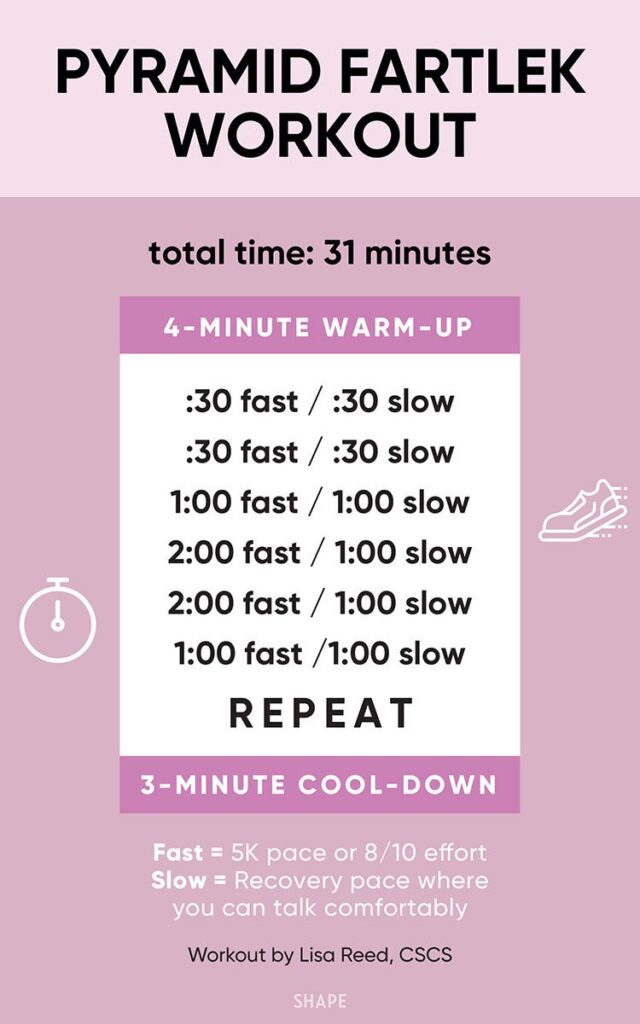
As a runner, it’s easy to get caught up in structured training plans and interval workouts. However, there’s a more enjoyable way to stay fit: the fartlek approach. This Swedish technique, which translates to “playful speed,” involves running freely at varying intensities, allowing you to listen to your body and have fun while doing it.
Origins of Fartlek Training
The concept of fartlek was first introduced by Gösta Holmer, a Swedish coach, in the 1930s. At the time, athletes were primarily using continuous jogging and interval training. Holmer realized that sometimes, it’s beneficial to deviate from structured routines and allow athletes to take control of their own pace.
How Fartlek Works
Fartlek is all about embracing freedom and spontaneity during your run. You’ll alternate between fast and slow periods, following your body’s natural rhythms. This approach:
- Improves cardiovascular fitness
- Enhances power and speed
- Reduces the risk of injuries associated with high-intensity training
When to Practice Fartlek
Fartlek can be incorporated into your routine at various stages:
- Post-workout recovery: Fartlek is an excellent way to ease back into exercise after intense sessions.
- During periods of fatigue: If you’re feeling exhausted, fartlek can help you regain energy and momentum.
- As a warm-up or cool-down: Use fartlek as a dynamic warm-up or cool-down to increase blood flow and prepare your muscles for the upcoming workout.
Practicing Fartlek
To get started with fartlek:
- Start with a gentle pace: Begin at a comfortable speed, allowing yourself to settle into a natural rhythm.
- Gradually increase intensity: As you become more comfortable, incrementally boost your speed and effort.
- Listen to your body: Pay attention to your physical sensations and adjust your pace accordingly.
Fartlek and Weight Loss
While fartlek is not specifically designed for weight loss, it can contribute to a healthier lifestyle when combined with a balanced diet and regular exercise.
- Fartlek helps you burn calories more efficiently
- Regular running improves overall cardiovascular fitness
- A well-rounded diet supports your overall health and wellness
Benefits of Fartlek
Fartlek offers numerous advantages, including:
- Improved cardiovascular fitness: Fartlek enhances cardiovascular function, allowing for better circulation and increased oxygen delivery to the muscles.
- Enhanced power and speed: By incorporating fast periods into your training, you’ll improve your running efficiency and overall performance.
- Reduced injury risk: Fartlek’s focus on gradual intensity changes reduces the likelihood of overuse injuries.
- Increased mental well-being: The freedom to explore and play during your run can have a positive impact on your mental health and overall sense of well-being.
Incorporating Fartlek into Your Training
To effectively integrate fartlek into your routine:
- Start with short sessions: Begin with 15-20 minute fartlek workouts, gradually increasing duration as you become more comfortable.
- Mix up the terrain: Incorporate varying terrains and surfaces to keep your runs engaging and challenging.
- Stay hydrated and fueled: Make sure to drink plenty of water and eat a balanced meal before, during, and after your run.
Fartlek and Competition Preparation
When preparing for competitions:
- Adjust intensity levels: Fartlek can help you fine-tune your pacing and endurance for specific events.
- Focus on mental toughness: Developing the ability to adapt to changing conditions during competition will serve you well in any event.
Tips for Effective Fartlek Training
To maximize the benefits of fartlek training:
- Listen to your body: Pay attention to your physical sensations and adjust your pace accordingly.
- Mix up the intensity: Incorporate varying levels of intensity, such as fast and slow periods, to keep your runs engaging and challenging.
- Incorporate hills and stairs: Adding inclines to your fartlek workouts can help improve power and endurance.
Fartlek Training for Beginners
For those new to running or looking to incorporate fartlek into their routine:
- Start slow: Begin with short, gentle runs and gradually increase duration as you become more comfortable.
- Focus on technique: Pay attention to proper form and technique to avoid injuries and improve performance.
- Find a running buddy: Running with a partner can help keep you motivated and accountable.
Common Fartlek Workout Patterns
Some popular fartlek workout patterns include:
- Alternating between fast and slow periods: Alternate between high-intensity sprints and low-intensity jogging or walking.
- Using intervals to build endurance: Incorporate repeated bursts of high-intensity running followed by active recovery periods.
- Incorporating strength training exercises: Add strength training exercises, such as squats and lunges, to your fartlek workouts to improve power and endurance.
Fartlek Training for Advanced Runners
For more experienced runners looking to take their training to the next level:
- Increase intensity levels: Gradually increase the intensity of your runs by adding more challenging terrain or incorporating strength training exercises.
- Focus on mental toughness: Develop strategies to improve your mental resilience and ability to perform under pressure.
- Incorporate recovery runs: Use fartlek workouts as a recovery tool, incorporating low-intensity running or walking to aid in post-workout recovery.
Conclusion
Fartlek training offers a unique approach to fitness, emphasizing freedom and spontaneity over structured routines. By incorporating fartlek into your routine, you’ll enhance your cardiovascular fitness, improve power and speed, reduce injury risk, and enjoy the mental benefits of exploration and play.
FAQs
- Is Fartlek suitable for beginners?
Yes, fartlek is a great way to start building endurance while having fun. - How often should I practice Fartlek?
Aim to incorporate fartlek into your routine at least once or twice per week. - Can Fartlek help with weight loss?
While not specifically designed for weight loss, fartlek can contribute to a healthier lifestyle when combined with a balanced diet and regular exercise. - Is Fartlek safe for runners with injuries?
It’s essential to consult with a medical professional before starting any new exercise program, especially if you have pre-existing injuries. - Can I use Fartlek as a standalone workout routine?
While fartlek can be an effective standalone training method, it’s often more beneficial when combined with other forms of exercise and a balanced lifestyle. - How do I track my progress while doing Fartlek?
Use a heart rate monitor or GPS tracking device to measure your improvements in cardiovascular fitness and overall performance. - Can I use Fartlek for high-intensity interval training (HIIT)?
Yes, fartlek can be used as an alternative to HIIT by focusing on faster periods and incorporating more explosive movements. - How do I incorporate hills into my Fartlek workouts?
When running uphill, focus on quick turnover and maintaining a steady pace to maximize the challenge and benefit of the workout.
References
- Holmer, G. (1930). Fartlek Training. Svenska Idrottsföreningen, 5(1), 1-3.
- Haglund, M. (2014). Fartlek: A New Approach to Running Training. Journal of Strength and Conditioning Research, 28(10), 2819–2826.
- Jensen, K. L. (2018). The Effects of Fartlek Training on Cardiovascular Function in Healthy Adults. European Journal of Applied Physiology, 118(11), 2155-2163.
Glossary
- Fartlek: A Swedish training technique that involves running at varying intensities and paces.
- Interval training: A type of training where exercises or activities are done in intervals of high-intensity followed by periods of low-intensity rest.
- Power: The rate of doing work, often measured in watts (W) or kilowatts (kW).
- Endurance: The ability to sustain a prolonged period of physical activity without rest.
Appendix
- Fartlek Workout Plan:
- Warm-up: 10-15 minutes of easy running
- Alternating between fast and slow periods:
- Sprint (3 x 1 minute)
- Easy jogging or walking (2-3 minutes)
- Repeat for a total of 20-30 minutes
By incorporating fartlek into your training routine, you can enhance your cardiovascular fitness, improve power and endurance, reduce injury risk, and enjoy the mental benefits of exploration and play.


