
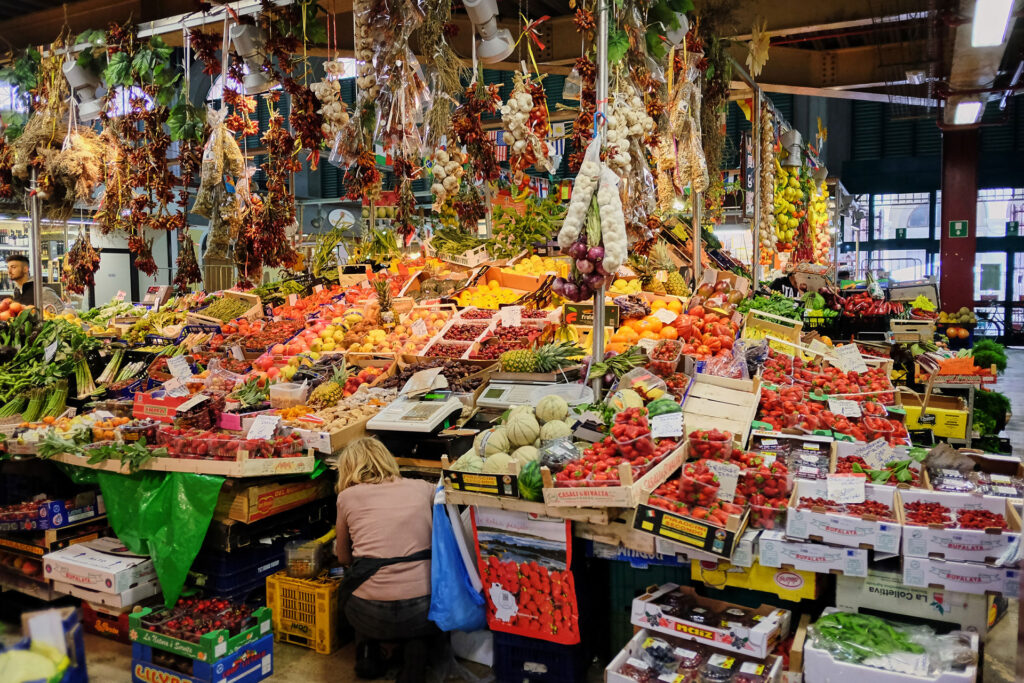
As I explored the world of farmers markets, I realized that these vibrant events are not just a cultural phenomenon but also an opportunity for people to connect with nature and community. In this article, we’ll delve into the world of farmers markets, exploring what they are, their benefits, and some of the best ones in Italy.
What are Farmers Markets?
Farmers markets are outdoor or indoor events where local farmers and producers sell their fresh produce, meats, dairy products, and other artisanal goods. These markets are not just about buying food; they’re also a celebration of community, sustainability, and local culture. In these markets, you’ll often find producers who have spent years perfecting their craft, from organic farmers to artisanal cheese makers.
Characteristics of Genuine Farmers Markets
To identify a genuine farmers market, look for the following characteristics:
- Local producers: The vendors are usually small-scale farmers or artisans who grow and produce their own products.
- Fresher produce: You’ll find a wide variety of fresh fruits and vegetables, often grown using organic methods.
- No intermediaries: There are no middlemen between the producer and the consumer, which means you can expect lower prices and higher quality products.
- Local focus: The market is typically focused on supporting local businesses and promoting regional products.
Benefits of Farmers Markets
Farmers markets offer numerous benefits for consumers, including:
- Supporting local economies: By buying locally grown produce, you’re putting money directly into the pockets of small-scale farmers and artisans.
- Increased food safety: Since the products are sold directly from the producers, there’s less room for middlemen to introduce contaminants or spoilage.
- Lower prices: Without intermediaries, consumers can expect lower prices on fresh, organic produce.
Los Angeles Farmers Market: An Example of a Successful Model
While it may not be practical to visit Los Angeles for a weekend farmers market adventure, this city’s markets are definitely worth exploring. The Original Farmers Market in LA is a great example of how these events can bring together a diverse range of vendors, from food stalls to artisanal shops.
Best Farmers Markets in Italy
Italy is home to numerous excellent farmers markets, each with its unique character and offerings. Here are some of the best ones:
- Lo Matsòn (Courmayeur): This market in the Italian Alps features over 70 local producers selling everything from wine to pastries.
- Mercato della Terra (Bologna): This bustling market in Bologna is home to around 40 local producers offering a wide range of artisanal goods.
Exploring Farmers Markets in Milan and Turin
Both Milan and Turin are hubs for farmers markets, with numerous options to choose from. Some popular spots include:
- Corso Spezia (Turin): This historic street is lined with farmers market stalls selling everything from fresh produce to artisanal cheeses.
- Cascina Cuccagna (Milan): Located in the heart of Milan, this market offers a wide range of local products and specialties.
Tips for Visiting Farmers Markets
Before you head out to your nearest farmers market, here are some tips to keep in mind:
- Arrive early: Many vendors open their stalls early in the morning, so it’s best to arrive before the crowds.
- Bring cash: While many vendors accept credit cards, it’s always a good idea to have some cash on hand for small purchases or tips.
- Wear comfortable shoes: Farmers markets can be crowded and uneven, so wear comfortable shoes that are easy to walk in.
- Try new things: Don’t be afraid to try new foods or products – you might discover a new favorite!
Conclusion
Farmers markets are a vibrant and essential part of our food culture. By supporting local producers and reducing our carbon footprint, we can all play a role in promoting sustainability and community development. Whether you’re exploring Italy or your own backyard, farmers markets offer a unique opportunity to connect with nature, people, and delicious, locally grown produce.
Frequently Asked Questions
- What is the difference between a farmers market and a traditional market?
Farmers markets focus on selling locally produced goods directly from the producers, whereas traditional markets often feature a wider range of products from various suppliers. - How do I find the best farmers market near me?
Look for local listings or ask fellow foodies for recommendations. Many cities also host farmers market festivals and events, which can be a great way to discover new markets. - Can I buy organic produce at any farmers market?
Not all farmers markets offer organic products, but many do. Look for labels or ask the vendors about their growing practices. - How do I shop at a farmers market without getting overwhelmed?
Start by exploring the market map or asking a vendor for recommendations. Many markets also offer sample plates and tastings to help you navigate the offerings. - Can I buy prepared foods at a farmers market?
Yes, many vendors offer pre-prepared items like sandwiches, salads, and baked goods. Just be sure to check the ingredients and ask about food safety practices. - How do I stay up-to-date with new farmers markets in my area?
Follow local food bloggers or social media groups for updates on new market openings and events. - Can I bring my own reusable bags to a farmers market?
Absolutely! Many vendors appreciate customers who bring their own bags, reducing waste and promoting sustainability. - How do I store my fresh produce after purchasing it at a farmers market?
Proper storage techniques can help keep your produce fresh for longer. Check with the vendor or research tips online for best practices.
By embracing farmers markets, we can all contribute to creating a healthier, more sustainable food culture that celebrates local traditions and community spirit.


