
As we navigate the complexities of life, our family units become an integral part of who we are. From external pressures to internal struggles, families undergo constant transformations, leading to both positive and negative outcomes. As a result, it’s essential to have a support system in place to address any mental health issues that may arise.
That’s where family therapy comes in – a type of psychotherapy that involves the participation of all family members. In this article, we’ll delve into the world of family therapy, exploring its benefits, objectives, and what you can expect from the process.
What is Family Therapy?
Family therapy is a form of psychotherapy that focuses on improving communication among family members and resolving conflicts within the household. The core unit of family therapy is the family system, with relationships between family members being the primary focus. This type of therapy aims to restore normal dynamics within the family by addressing underlying issues through a series of sessions with a trained therapist.
In many cases, family problems can affect not only one individual but also the entire household. A skilled therapist will work with each member of the family to identify and address the root cause of the issue, developing strategies to improve communication, resolve conflicts, and strengthen relationships.
Objectives of Family Therapy
During a family therapy session, members express their opinions and perceptions about the underlying issues driving the problem. The primary objective is to reach a mutually beneficial solution, thereby resolving the conflict that has led to distress within the household. By working together with a therapist, families can:
- Improve communication among family members
- Resolve conflicts in a constructive manner
- Develop healthier relationships
- Enhance overall well-being
Key Figures in Family Therapy
The spread of family therapy worldwide is attributed to several influential figures. Salvador Minuchin, an Argentine psychiatrist and psychotherapist, played a pivotal role in developing the Structural Family Therapy model. This approach views the family as a dynamic entity in constant change.
Minuchin’s key principle emphasizes that the family should be understood within its current state of flux, rather than solely focusing on existing interactions. The therapist’s role is to comprehend the changes over time and explore the processes that have led to the current situation, ultimately working towards transforming the dynamics within the family.
Benefits of Family Therapy
The benefits of family therapy are numerous and diverse. Some common issues addressed through this process include:
- Addiction
- Violence
- Depression
- Relationship conflicts between parents and children
- Adoption
- Separation
- Divorce
- Phobias
- Anxiety disorders
- Panic attacks
- Somatoform disorders
In essence, family therapy can help address any mental health issue that affects the household as a whole.
Types of Family Therapy Models
While Structural Family Therapy is a well-known model, there are several other approaches used in family therapy. These include:
- Systemic-Relational Model
- Psychoanalytic Model
- Bowenian Model
- Strategic Family Therapy
Each of these models offers unique perspectives on the complexities of family dynamics and relationships.
Duration of Family Therapy
The duration of family therapy varies depending on the specific case and the issues being addressed. Typically, sessions range from five to twenty meetings. The frequency of sessions can be weekly or monthly, based on the therapist’s assessment and the needs of the family.
Ultimately, the success of family therapy relies on the active participation and engagement of each family member.
Contraindications for Family Therapy
While family therapy is an effective approach for many families, there are certain circumstances where it may not be suitable. These include:
- Severe trauma or abuse within the household
- Severe mental illness requiring individualized treatment
- Families with complex or high-conflict dynamics that require specialized care
In such cases, alternative approaches such as individual therapy or other forms of family therapy may be more effective.
Preparation for Family Therapy
To make the most out of family therapy, it’s essential to approach the process with an open mind and a willingness to engage. Here are some tips for preparing:
- Be honest and transparent about your experiences and emotions
- Communicate openly with your therapist about your goals and expectations
- Come prepared for each session with any relevant questions or concerns
Therapist Selection
Choosing the right therapist is crucial in family therapy. When selecting a therapist, consider:
- Experience working with families with similar issues to yours
- Therapeutic approach that aligns with your values and needs
- Qualifications and licensure (if applicable)
A good therapist will be able to assess each family member’s unique needs and work towards creating a collaborative environment for growth.
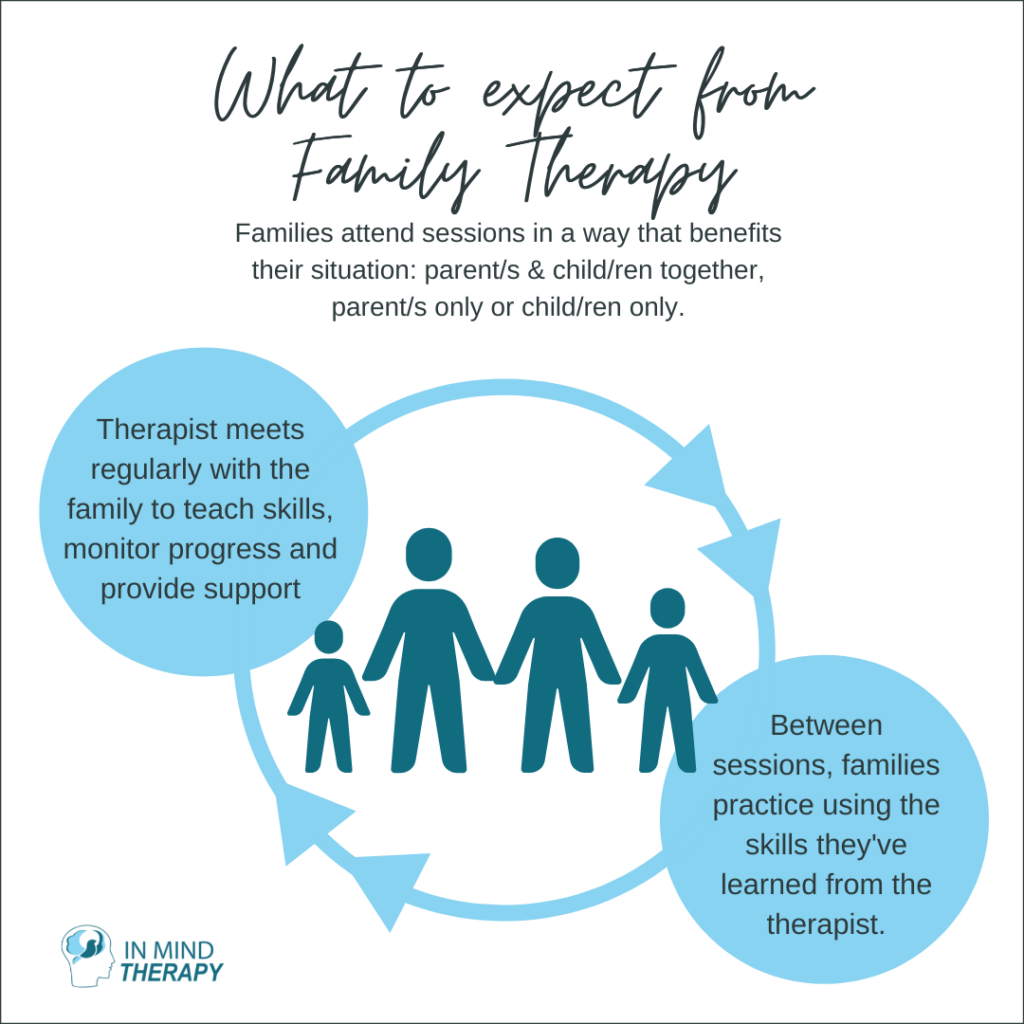
What to Expect During Family Therapy
During family therapy sessions, you can expect:
- An initial consultation to discuss goals and expectations
- Assessments of individual and collective dynamics within the household
- Strategies for improving communication, conflict resolution, and relationship building
Therapy sessions may also involve:
- Individual interviews with each family member to gather information about their experiences and emotions
- Group discussions to address shared issues and develop collaborative solutions
Benefits for Family Members
Family therapy can have a profound impact on each individual involved. Some benefits include:
- Improved communication skills
- Enhanced self-awareness and emotional intelligence
- Increased empathy and understanding of others’ perspectives
- Stronger, healthier relationships with family members
Long-Term Benefits
The long-term effects of family therapy can be remarkable. By working together to address underlying issues, families can experience:
- Lasting improvements in communication and conflict resolution skills
- Enhanced overall well-being and resilience
- Increased empathy and compassion for one another
- Stronger, more supportive relationships that foster growth and development
Conclusion
Family therapy is a powerful tool for improving relationships, resolving conflicts, and enhancing overall well-being within households. By understanding its objectives, principles, and benefits, individuals can make informed decisions about seeking help for their mental health needs.
In the following section, we’ll address frequently asked questions related to family therapy, providing you with valuable insights into this complex yet rewarding process.
FAQs
- What is the goal of family therapy?
The primary objective of family therapy is to improve communication among family members and resolve conflicts within the household. - Who benefits from family therapy?
Family therapy can benefit individuals of all ages, from children to adults, as well as parents and other family members. - How long does family therapy typically last?
The duration of family therapy varies depending on the specific case and issues being addressed. Typically, sessions range from five to twenty meetings. - What is the role of a therapist in family therapy?
A therapist plays a crucial role in facilitating communication, identifying underlying issues, and developing strategies for improving relationships within the household. - Can family therapy be effective for complex issues?
Yes, family therapy can be an effective approach for addressing complex mental health issues, such as addiction, depression, or anxiety disorders. - Is family therapy a long-term process?
Family therapy can be a short-term or long-term process, depending on the specific needs of the household and the issues being addressed. - Can I expect to see immediate results from family therapy?
Immediate results are unlikely in family therapy, as it is a process-oriented approach that requires time, effort, and commitment from all involved parties. - Is family therapy only for families with severe problems?
No, family therapy can be beneficial for any household facing challenges or seeking to improve their relationships.
Additional Resources
For those interested in learning more about family therapy, there are numerous resources available:
- National Alliance on Mental Illness (NAMI) – Provides information and support for individuals and families affected by mental illness.
- American Psychological Association (APA) – Offers articles, research, and resources on various aspects of mental health, including family dynamics.
- Family Therapy Institute – A comprehensive resource for learning about family therapy models, techniques, and strategies.
By exploring the world of family therapy, you can gain a deeper understanding of its benefits, objectives, and what to expect. Whether you’re seeking help for your own family or simply curious about this approach, family therapy is an effective tool for improving relationships, resolving conflicts, and enhancing overall well-being within households.


