
As we navigate the complexities of our lives, it’s easy to forget about the roots that bind us together – our families. But have you ever stopped to think about the people who came before us? The ancestors who shaped our lives and influenced our destinies? This is where the genealogical tree comes in – a visual representation of your family’s history, showcasing the relationships between individuals.
What is a Genealogical Tree?
A genealogical tree is an alphabetical list of all the ancestors of an individual or group. It’s a way to visualize the connections between people and understand how they fit into the larger family narrative. The tree can be as simple or as intricate as you want it to be, but its purpose remains the same – to tell the story of your family’s past.
Imagine standing in front of a vast, sprawling tree with branches that stretch out in every direction. Each branch represents an ancestor, and the connections between them form the roots of your family history. The genealogical tree is like a map that guides you through the twists and turns of your ancestors’ lives, revealing secrets and surprises along the way.
Finding Your Genealogical Tree for Free
There are many websites that offer free genealogy trees, making it easy for you to discover your own roots. One popular option is MyHeritage, a website sponsored by numerous organizations, including Antenati, which provides access to historical records from the State Archives and the Ministry of Cultural Heritage and Tourism.
Another valuable resource is FamilySearch, a free online platform that relies on contributions from millions of people worldwide, offering a vast array of documents available through the Ministry of Cultural Heritage and Tourism’s portal.
Creating Your Genealogical Tree
To create your own genealogical tree, start by gathering information about your ancestors. This can include names, dates of birth and death, places of residence, occupation, education, and personal characteristics. You’ll also want to consider the type of tree you’re creating – a standard family tree or one that includes more detailed information like ancestry lines, migration patterns, and cultural influences.
Types of Genealogical Trees
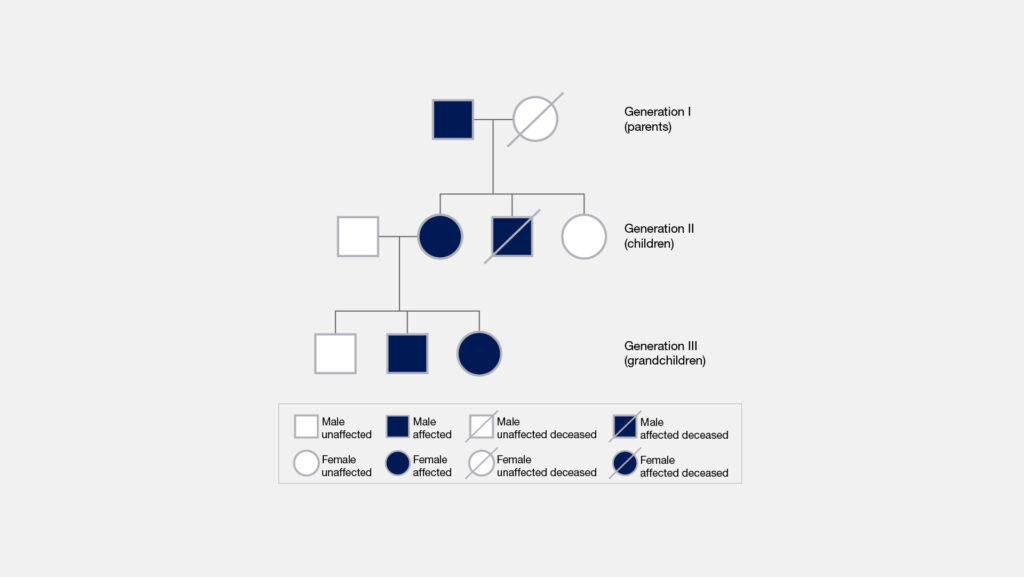
There are two main types of genealogical trees: traditional and artistic. Traditional trees are simple and straightforward, using squares for males and circles for females to represent different generations. Artistic trees, on the other hand, can be more elaborate, incorporating symbols and patterns that reflect the family’s history and cultural heritage.
For example, a traditional tree might look like this:
- John (b. 1820)
- Married to Mary (b. 1825)
- Children: Jane (b. 1850), James (b. 1852)
- John Jr. (b. 1900)
- Married to Emily (b. 1905)
- Children: Michael (b. 1930), Sarah (b. 1932)
An artistic tree, on the other hand, might include more detailed information like ancestry lines and cultural influences:
- John (b. 1820)
- Descendant of the great Irish clan, O’Connor
- Member of the Quaker sect in Pennsylvania
- Mary (b. 1825)
- Descendant of the noble Scottish family, MacKenzie
- Skilled weaver and seamstress
Genealogical Trees in Literature
The concept of genealogical trees has been explored in various forms of literature, including fiction and non-fiction books. One notable example is J.K. Rowling’s Harry Potter series, which features a genealogical tree for the Black family. The tree reveals the family’s complex history, including their motto “Toujours Pur” (Always Pure) and their unique naming conventions based on stars.
Genetic Genealogy
While traditional genealogical trees focus on family history, genetic genealogy explores the connections between individuals through DNA analysis. This type of genealogy can be used to identify ancestry, confirm relationships, or even solve mysteries related to identity theft or missing persons cases. Genetic genealogists use specialized software and databases to analyze DNA samples and reconstruct family trees.
The Science Behind Genealogical Trees
Genealogical trees are based on the concept of patrilineal descent, which means that they follow the male line of inheritance. However, modern genetic genealogy has expanded this concept to include mitochondrial DNA, which is passed down from mother to child, and Y-chromosome DNA, which is passed down from father to son.
Tools for Genealogical Research
There are many tools available to help you with your genealogical research, including:
- DNA testing kits: These kits allow you to compare your DNA with that of distant relatives and gain insights into your ancestry.
- Genealogy software: Programs like FamilyTreeMaker, Legacy Family Tree, and RootsMagic help you organize and analyze your family tree data.
- Historical records: Online archives like Ancestry.com, MyHeritage, and FamilySearch provide access to historical documents, including census records, birth and death certificates, and immigration records.
Conclusion
The genealogical tree is a powerful tool for understanding your family’s past and connecting with the people who came before you. By creating your own tree, either traditional or artistic, you can unlock secrets about your ancestry and develop a deeper appreciation for the complex web of relationships that bind us all together. So why not start exploring your genealogical tree today?
Frequently Asked Questions (FAQs)
-
What is a genealogical tree?
A genealogical tree is a visual representation of an individual’s or group’s family history, showcasing the relationships between ancestors. -
Can I create my own genealogical tree for free?
Yes, there are many websites that offer free genealogy trees and resources to help you get started. -
What kind of information should I include in my genealogical tree?
You’ll want to gather as much information as possible about your ancestors, including names, dates of birth and death, places of residence, occupation, education, and personal characteristics. -
Can genealogical trees be used for genetic analysis?
Yes, genetic genealogy explores the connections between individuals through DNA analysis, helping identify ancestry, confirm relationships, or solve mysteries related to identity theft or missing persons cases. -
How do I start creating my own genealogical tree?
Begin by gathering information about your ancestors and choosing a website or tool that suits your needs. -
Can genealogical trees be used for artistic purposes?
Yes, the art of creating genealogical trees can be a creative outlet, incorporating symbols and patterns to reflect the family’s history and cultural heritage. -
What are some popular resources for finding genealogical information?
Antenati, MyHeritage, FamilySearch, and historical records from state archives and ministries of cultural heritage are all valuable resources for finding genealogical information. -
Can I use a genealogical tree to solve mysteries or find missing persons?
Yes, genetic genealogy can be used to help identify ancestry, confirm relationships, or even solve mysteries related to identity theft or missing persons cases. -
How do I maintain my genealogical tree?
Regularly update your tree with new information and research to ensure that it remains accurate and comprehensive. -
Can I share my genealogical tree with others?
Yes, you can share your tree with family members, friends, or online communities, but be sure to respect the privacy of your ancestors’ personal information.


