
The False Pepper Tree: A Comprehensive Guide to its Cultivation and Uses
As a botanist and sustainability expert, I’m excited to share with you the wonders of the false pepper tree (Schinus terebinthifolius), also known as falso pepe in Italian. Native to South America, this tree has gained popularity worldwide for its versatility, ease of cultivation, and numerous uses.
What is the False Pepper Tree?
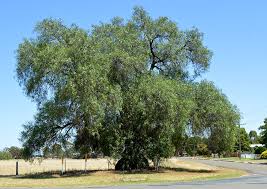
The false pepper tree is a deciduous shrub or small tree that grows up to 6 meters tall and wide. Its unique shape, with fleshy branches resembling willow trees, makes it an attractive addition to any garden. The tree’s leaves are pinnate, with 3-5 leaflets that resemble those of the willow family.
Origins and Distribution
The false pepper tree is native to South America, specifically in the tropical regions of Brazil, Argentina, and Uruguay. Due to its adaptability to different climates, it has been introduced to other parts of the world, including Europe, where it thrives in warmer temperatures.
Characteristics and Growth Habits
The false pepper tree prefers well-drained soil and full sun to partial shade. It is relatively low maintenance, requiring minimal pruning and fertilization. The tree can tolerate some drought but benefits from regular watering, especially during its early stages of growth.
One of the most notable features of the false pepper tree is its ability to attract beneficial insects, such as bees and butterflies, due to its fragrant flowers and leaves.
The Fruit: A Valuable Resource
The false pepper tree produces small, round fruits that resemble those of the pepper plant. These fruits are edible and can be used in various culinary applications, including salads, sauces, and marinades. The fruit is rich in antioxidants and has been traditionally used to treat gastrointestinal issues.
Cultivation Methods
To cultivate the false pepper tree successfully:
- Planting: Choose a location with well-drained soil and full sun to partial shade.
- Soil preparation: Add organic matter, such as compost or manure, to improve soil fertility and structure.
- Watering: Water regularly, especially during the early stages of growth.
- Pruning: Prune the tree minimally to maintain its shape and promote healthy growth.
Using the False Pepper Tree
The false pepper tree offers numerous uses:
- Ornamental purposes: Its unique shape and fragrant flowers make it an attractive addition to any garden.
- Culinary applications: The fruit can be used in various recipes, and the leaves have been traditionally used as a natural antiseptic.
- Medicinal properties: The false pepper tree has been used to treat various ailments, including digestive issues and skin conditions.
Frequently Asked Questions
Here are some frequently asked questions about the false pepper tree:
- Q: Is the false pepper tree suitable for indoor cultivation?
A: While it can be grown indoors, the false pepper tree requires a lot of light, making it ideal for sunny rooms or greenhouses. - Q: Can I use the leaves and fruits as a natural remedy?
A: Yes, both the leaves and fruits have been traditionally used to treat various ailments. - Q: How often should I water my false pepper tree?
A: Water your tree regularly, especially during the early stages of growth, but avoid overwatering.
Benefits of Growing the False Pepper Tree
Growing the false pepper tree can provide numerous benefits for gardeners and those seeking natural remedies:
- Air Purification: The false pepper tree is known to purify the air by removing pollutants and toxins.
- Soil Erosion Prevention: The tree’s deep roots help prevent soil erosion and maintain soil health.
- Wildlife Habitat: The tree provides a habitat for various beneficial insects, such as bees and butterflies.
Challenges and Limitations
While growing the false pepper tree can be rewarding, there are some challenges and limitations to consider:
- Disease Resistance: The tree is susceptible to certain diseases, such as root rot and leaf spot.
- Pests: The tree can attract pests, such as aphids and whiteflies, which can cause damage to the tree.
- Climate Sensitivity: The tree is sensitive to extreme temperatures and humidity levels.
Conclusion
The false pepper tree is a versatile and adaptable plant that offers numerous benefits for gardeners, cooks, and those seeking natural remedies. With proper care and attention, this tree can thrive in various environments, providing a bountiful harvest of edible fruits and fragrant flowers. Whether you’re looking to add some color and fragrance to your garden or seeking natural solutions to common health issues, the false pepper tree is definitely worth considering.
Tips for Growing the False Pepper Tree
Here are some additional tips for growing the false pepper tree:
- Provide Support: The tree can grow quite tall, so provide support using stakes or a trellis to maintain its shape.
- Mulch Around the Base: Mulching around the base of the tree helps retain moisture and suppress weeds.
- Fertilize Regularly: Fertilize the tree regularly during the growing season to promote healthy growth and fruiting.
Creative Uses for the False Pepper Tree
The false pepper tree offers a variety of creative uses:
- Flower Arrangements: The fragrant flowers can be used in flower arrangements or as a natural air freshener.
- Natural Dye: The leaves and stems can be used to create natural dyes for fabrics and other materials.
- Crafts: The tree’s branches can be used in craft projects, such as making wreaths or mobiles.
Potential Health Benefits
The false pepper tree has been traditionally used to treat various health issues:
- Digestive Issues: The fruit and leaves have been used to treat digestive issues, such as bloating and indigestion.
- Skin Conditions: The leaves have been used to treat skin conditions, such as acne and eczema.
- Antioxidant Properties: The fruit is rich in antioxidants, which can help protect against oxidative stress and cell damage.
Conclusion
The false pepper tree is a versatile and adaptable plant that offers numerous benefits for gardeners, cooks, and those seeking natural remedies. With proper care and attention, this tree can thrive in various environments, providing a bountiful harvest of edible fruits and fragrant flowers. Whether you’re looking to add some color and fragrance to your garden or seeking natural solutions to common health issues, the false pepper tree is definitely worth considering.
In conclusion, the false pepper tree (Schinus terebinthifolius) is a fascinating plant that offers numerous benefits for gardeners, cooks, and those seeking natural remedies. Its versatility, ease of cultivation, and numerous uses make it an attractive addition to any garden or home. With proper care and attention, this tree can thrive in various environments, providing a bountiful harvest of edible fruits and fragrant flowers.


