
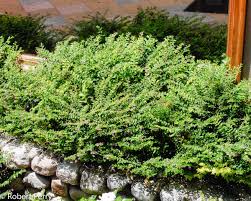
As we navigate the world of herbal remedies, it’s essential to distinguish between fact and fiction. One such herb that has garnered significant attention in recent years is the false erica, also known as Calluna vulgaris or Brugo. In this article, we’ll delve into the fascinating history, cultivation, and benefits of this versatile plant, often mistakenly referred to as Erica.
What’s the Difference Between Erica and Calluna?
When it comes to the Ericaceae family, which comprises approximately 700 species, Erica is a broad term used to describe these evergreen shrubs. However, within this group lies the Calluna vulgaris, also known as the False Erica or Brugo. The main differences between the two lie in their leaf morphology and floral structure.
- Foliage: Calluna has smaller leaves (less than 2-3 mm) compared to Erica’s larger leaves (2-15 mm).
- Floral Structure: Calluna’s corolla and calyx are divided into four parts, whereas Erica’s form a pentamerous structure.
Cultivation and Habitat
The False Erica is an adaptable plant that thrives in acidic soils and dry environments, making it an ideal choice for gardeners. Native to the Mediterranean region, Calluna can be found growing wild in many parts of Europe.
To cultivate this herb, provide it with well-draining soil and partial shade. Watering should be done sparingly, as excessive moisture can lead to root rot. Pruning is not necessary, but occasional trimming will maintain its bushy shape.
Benefits of False Erica
This remarkable herb has been utilized for centuries in traditional medicine due to its numerous health benefits. Some of the most significant advantages include:
- Urinary Tract Issues: The decoction made from Calluna’s flowers can help alleviate cistite symptoms, promoting a natural defense mechanism against this common issue.
- Detoxification and Liver Support: By consuming a concentrated decotion, you may experience improved liver function and enhanced detoxification capabilities.
However, before using any herbal remedy, it is crucial to consult with your healthcare provider. They can help determine the best course of treatment for your specific needs.
Traditional Uses
The False Erica has been used in various traditional practices throughout history:
- Mediterranean Herbalism: In ancient Greece and Rome, Calluna was utilized for its medicinal properties, including treating digestive issues.
- Celtic Herbalism: The Celts valued the plant’s ability to protect against illness and promoted overall well-being.
Modern Research
Recent studies have confirmed the potential benefits of using the False Erica:
- Antibacterial Properties: Calluna has shown significant antibacterial properties, which can aid in fighting off infections.
- Inflammation Reduction: The plant’s extracts have demonstrated anti-inflammatory effects, making it a valuable resource for reducing inflammation.
Conclusion
In conclusion, the False Erica, or Calluna vulgaris, is a remarkable herb that has been used for centuries in traditional medicine. Its versatility and adaptability make it an excellent choice for gardeners and those seeking natural remedies.
Q\&A
Here are eight frequently asked questions about the False Erica:
- What is the primary difference between Erica and Calluna?
- Calluna has smaller leaves (less than 2-3 mm) compared to Erica’s larger leaves (2-15 mm).
- Where can I find the False Erica in nature?
- Native to the Mediterranean region, Calluna can be found growing wild in many parts of Europe.
- How do I cultivate the False Erica?
- Provide it with well-draining soil and partial shade, watering sparingly due to its dry environment tolerance.
- What are the primary benefits of using decoctions made from the False Erica?
- It can help alleviate cistite symptoms, promote natural defense against urinary tract issues, and enhance liver function and detoxification capabilities.
Additional Resources
If you’re interested in learning more about this fascinating herb or other plants, we invite you to explore our other articles:
- Pine: The Ultimate Guide to the Most Versatile Conifer
- Herbs for Cooking and Medicine: A Comprehensive List
By following our journey, you’ll discover a world of flora that is waiting to be explored. Stay curious and keep on learning!
Glossary
For those unfamiliar with herbalism or the Ericaceae family, we’ve compiled a list of essential terms:
- Decoction: A concentrated liquid made by steeping plant material in water.
- Floral Structure: The arrangement of flowers within a plant, including petals and sepals.
- Habitat: An environment that supports the growth and survival of an organism.
- Herbalism: The practice of using plants for medicinal purposes.
References
For further reading on this fascinating topic, consult the following sources:
- “The Pharmacopoeia of Great Britain and Ireland” by Henry G. W. Evans
- “A Dictionary of Plant Names” by Nick J. Voss
- “The Medicinal Properties of Plants” by Charles P. Wilcock


