
Introduction
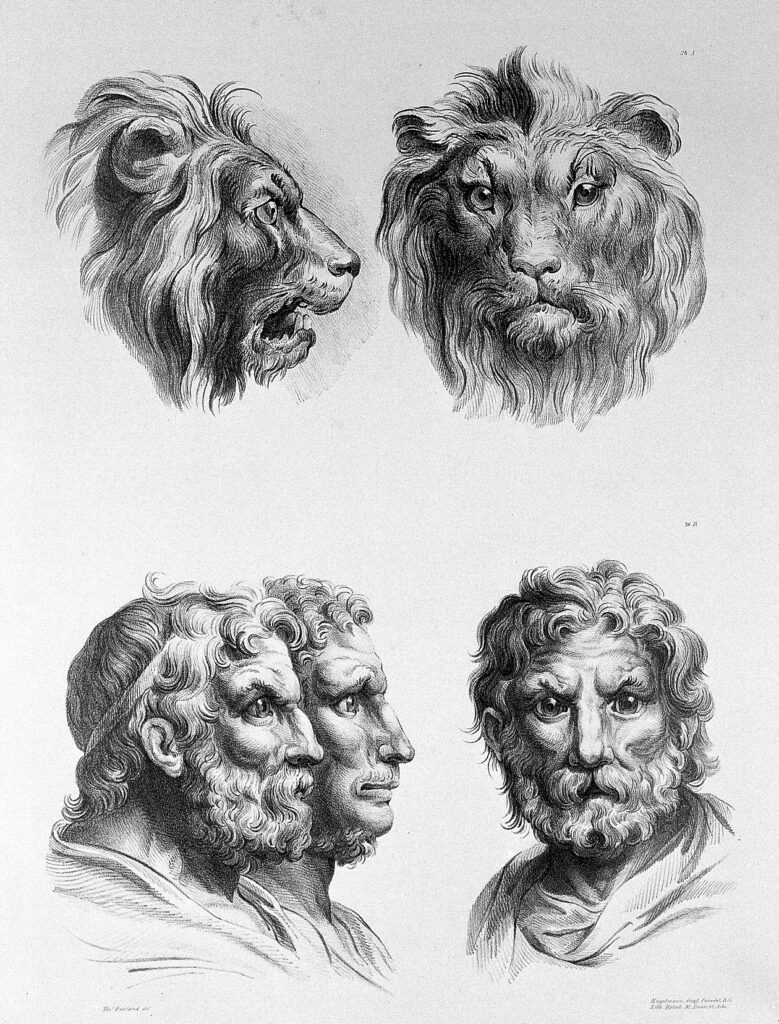
Fisiognomica, a term derived from the Greek words “physis” meaning nature and “gnosis” meaning knowledge, is an ancient discipline that seeks to uncover the characteristics of a person’s personality and character by analyzing their physical appearance. From its origins in the 16th century to the present day, fisiognomica has been a topic of interest and debate, with some viewing it as a pseudoscience while others see it as a valuable tool for self-discovery.
What is Fisiognomica?
Fisiognomica is a discipline that claims to deduce a person’s personality, moral character, and even destiny based on their facial features, expressions, and other physical characteristics. While it may sound like a fascinating concept, fisiognomica has been largely discredited by the scientific community as a lack of empirical evidence and flawed methodology.
Two Types of Fisiognomica
Fisiognomica can be broadly classified into two categories: predictive and scientific. Predictive fisiognomica claims that there is an absolute correlation between certain physical characteristics and personality traits, while scientific fisiognomica acknowledges the possibility of statistical correlations but recognizes the limitations of its methods.
The Fisiognomica Test
While fisiognomica may not be a scientifically recognized discipline, there are numerous online tests, articles, and social media posts that claim to demonstrate its validity. However, these tests are largely anecdotal and lack empirical evidence to support their claims.
Cesare Lombroso: The Father of Modern Criminology
One of the most influential figures in fisiognomica was Cesare Lombroso, an Italian physician, anthropologist, sociologist, philosopher, and jurist who is widely regarded as the father of modern criminology. Lombroso’s work on fisiognomica was heavily influenced by Darwinism and the concept of fingerprint analysis, which he believed could be used to identify individuals based on their physical characteristics.
The Fisiognomica of Eyes
Eyes are a primary focus of fisiognomica, with various theories suggesting that certain eye shapes, sizes, and colors can reveal a person’s personality traits. For example, large eyes may indicate extroversion, while small eyes may suggest introversion. However, these claims have not been scientifically proven.
Fisiognomica in Art
Many artists, including Leonardo da Vinci and Michelangelo, were influenced by fisiognomica theories and incorporated them into their work. Some notable examples include Sofonisba Anguissola’s portraits of royal family members and Fede Galizia’s engravings that depicted facial expressions.
Fisiognomica in Literature
Fisiognomica has also been referenced in literature, particularly in the works of English authors such as Charles Dickens, Thomas Hardy, and Charlotte Brontë. While these references are not necessarily endorsements of fisiognomica, they do highlight its enduring presence in popular culture.
The Science Behind Fisiognomica
From a scientific perspective, fisiognomica is based on the idea that there is an inherent connection between physical characteristics and personality traits. However, this assumption is often unsupported by empirical evidence and relies on anecdotal observations.
One of the primary criticisms of fisiognomica is its lack of empirical support. Despite numerous studies claiming to demonstrate a correlation between facial features and personality traits, these findings have not been consistently replicated or verified by other researchers.
The Limitations of Fisiognomica
Fisiognomica has several limitations that make it an unreliable tool for self-discovery and understanding human behavior. Some of the key limitations include:
- Lack of empirical evidence: There is a dearth of scientific studies that have demonstrated a consistent correlation between facial features and personality traits.
- Flawed methodology: Many fisiognomica tests and articles rely on anecdotal observations and unverifiable claims, rather than rigorous scientific testing.
- Individual variability: Facial characteristics can vary greatly among individuals, making it difficult to make accurate predictions based on a person’s physical appearance.
- Cultural bias: Fisiognomica often relies on Western cultural norms and assumptions about personality traits, which may not be applicable in other cultures.
Conclusion
Fisiognomica remains a fascinating topic that continues to captivate the imagination of many people. While its scientific validity is debated, it can still serve as a useful tool for self-discovery and understanding human behavior. However, it is essential to approach fisiognomica with a critical eye and recognize both its limitations and potential benefits.
Frequently Asked Questions (FAQs)
Q: Is fisiognomica a scientifically recognized discipline?
A: No, fisiognomica has been largely discredited by the scientific community due to lack of empirical evidence and flawed methodology.
Q: Can fisiognomica be used for personal growth and self-discovery?
A: Yes, while fisiognomica may not be a reliable method, it can still serve as a useful tool for gaining insights into one’s personality and behavior.
Q: Is there any scientific basis for the claims made by fisiognomica tests and articles?
A: No, most claims made by fisiognomica proponents have not been scientifically proven.
Q: Can fisiognomica be used to predict a person’s destiny or fate?
A: No, fisiognomica has never claimed to be a method for predicting the future.
Q: How can I learn more about fisiognomica?
A: There are numerous online resources and books available that explore the history and theories of fisiognomica.
Q: Can fisiognomica be used in conjunction with other disciplines, such as psychology or sociology?
A: Yes, while fisiognomica may not be a scientifically recognized discipline, it can still be used in conjunction with other fields to gain a more comprehensive understanding of human behavior.
Q: Is there any evidence that fisiognomica has been used effectively in real-world settings?
A: No, there is no conclusive evidence to support the use of fisiognomica in practical applications.
Q: Can I become an expert on fisiognomica by studying its theories and methods?
A: While it is possible to learn about fisiognomica, becoming an expert requires a deep understanding of both the historical context and scientific limitations of the discipline.


