
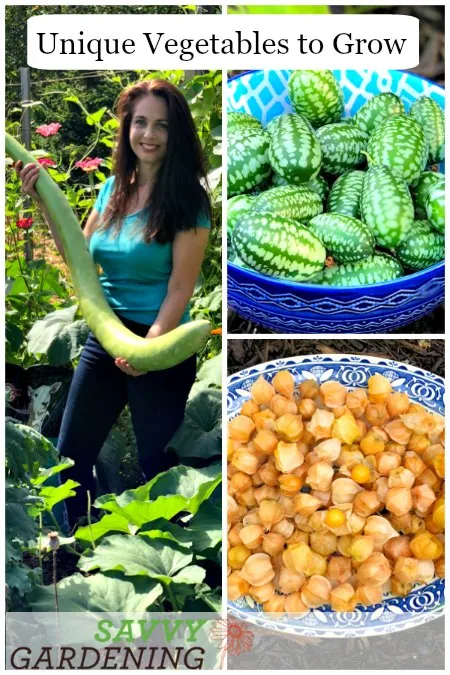
Are you looking for a way to impress your guests? Why not surprise them with some unique and exotic vegetables in your garden? There are many unusual but easy-to-grow vegetables that can add a touch of excitement to your gardening and culinary adventures. In this article, we’ll explore three unusual yet fascinating vegetables that can be easily grown in your own garden.
Meet the Alchechengi: The Yellow Solanaceae
The Alchechengi is a lesser-known fruit from the Solanaceae family, characterized by its bright yellow color. This versatile fruit has been used in various ways, such as baking, decorating drinks, making smoothies, and… astonishing your guests! Native to specific climates, this species can adapt to different soil types, but it’s essential that the soil drains well.
Growing Alchechengi: A Step-by-Step Guide
Growing Alchechengi is similar to growing tomatoes. The planting period varies depending on the region:
- Southern Italy: Plant in March
- Central and Northern Italy: Plant in April
Unlike tomatoes, you don’t need to prune the plants during the growth cycle. Instead, focus on ensuring the soil drains well.
The Alchechengi fruit is ready for harvesting when it turns yellow and is fully ripe. Harvesting typically takes place from mid-July to mid-August.
Discovering Okra: The Gumbo and Zucchini Hybrid
Okra, also known as gombo or zucchini, belongs to the Malvaceae family. This popular vegetable in southern Italy can be grown almost anywhere with a suitable climate. After harvesting, it can be consumed both raw and cooked. Okra is perfect for preparing specific salads, paired with olive oil, salt, and lemon juice.
Growing Okra: Tips and Tricks
- Soil: A medium-loose soil is ideal for growing okra.
- Climate: Soaking up at least 16°C (60°F) during the day and not below 30°C (86°F).
- Planting Period: Late May to early June
Harvesting typically occurs in July and August, when the fruit reaches a suitable size.
Unveiling the Centenaria: The Spinach-Like Squash
The centenaria is a unique squash belonging to the Cucurbitaceae family. Also known as zucca spinosa, zucchetta messicana, or Chayote, it has a pear-like shape and measures 10-15 cm in length. Each fruit weighs approximately 200 grams and is covered by spines.
Growing Centenaria: A Guide
- Climate: Temperatures between 18°C (64°F) and 24°C (75°F).
- Planting Period: Late April to early May
The centenaria can produce up to 100 fruits per plant. Harvesting typically takes place from August to October.
Tips for Growing Unconventional Vegetables
Here are some additional tips that will help you successfully grow your unique vegetables:
- Soil Preparation: Before planting, ensure the soil is well-draining and rich in nutrients.
- Watering: Water plants regularly but avoid overwatering to prevent root rot and fungal diseases.
- Pest Control: Monitor plants for pests like aphids and caterpillars, and use organic methods to control infestations.
- Pruning: Prune your Alchechengi plants in late summer to encourage new growth.
- Support: Provide support for climbing plants like centenaria using tomato cages or trellises.
Conclusion: Unlock the Secrets of Unconventional Vegetables
Growing unique vegetables like Alchechengi, Okra, and Centenaria can be a fun and rewarding experience for gardeners. By understanding their specific needs and growing requirements, you can unlock the secrets of these unconventional vegetables and enjoy an exciting culinary journey.
Frequently Asked Questions (FAQs)
- What are some other unusual fruits to grow in your garden?
Answer: Some other uncommon fruits that can be grown include pomegranates, dragon fruit, and persimmons. - How do I care for Alchechengi plants during the winter months?
Answer: During the winter season, ensure that the soil remains moist but not waterlogged. Apply a layer of organic mulch to protect the roots from frost. - Is it possible to grow Okra in cooler climates?
Answer: Yes, okra can be grown in regions with moderate temperatures (around 15°C/59°F). However, the yield might be lower than expected.
Growing these unconventional vegetables not only adds a touch of uniqueness to your garden but also provides an opportunity to discover new flavors and cooking techniques. With these tips and guides, you’ll be well on your way to growing your very own Alchechengi, Okra, and Centenaria plants and enjoying the delightful experience that comes with it.


