
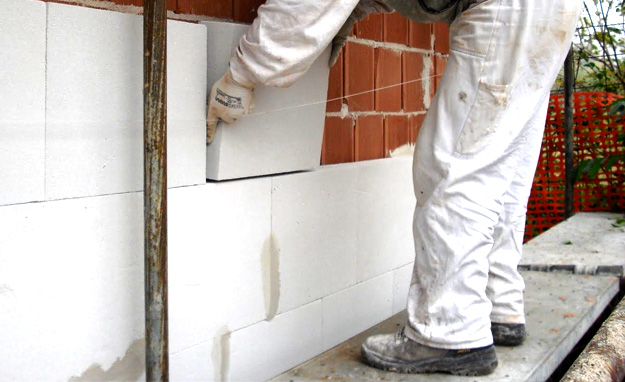
As the world shifts towards more sustainable and energy-efficient building practices, external thermal insulation systems (ETISs) have emerged as a crucial solution. But what exactly are ETISs, and how can they benefit your building? In this article, we’ll delve into the world of ETISs, exploring their benefits, types, and installation processes.
What are External Thermal Insulation Systems?
External thermal insulation systems are designed to be applied directly to a building’s exterior walls, providing an additional layer of thermal insulation. This system consists of materials with low thermal conductivity (λ) that slow down heat transfer between the inside and outside environments. By reducing heat loss in winter and heat gain in summer, ETISs can significantly improve a building’s energy efficiency.
Why Choose External Thermal Insulation Systems?
When it comes to choosing an insulation solution, there are several options available. However, ETISs have proven to be one of the most effective and cost-efficient methods for improving a building’s thermal performance. Here are some reasons why:
- High Energy Savings: External thermal insulation systems can save you a significant amount of money on energy bills by reducing heat loss and gain.
- Long-Term Durability: ETISs can last for decades, making them a long-term investment in your building’s energy efficiency.
- Easy Installation: While it’s recommended to hire professionals for the installation process, some homeowners may choose to install an external thermal insulation system themselves.
Types of External Thermal Insulation Systems
There are several types of ETISs available, each with its unique characteristics and benefits:
- Sughero Biondo Naturale: This type of insulation is made from natural materials like sughero (a plant-based material) and is biodegradable.
- Polistirene Espanso: This type of insulation is made from expanded polystyrene and is often used as a cost-effective alternative to other options.
Benefits of Sughero Biondo Naturale
While sughero biondo naturale may be the most expensive option, it offers several benefits:
- Long-Term Durability: This type of insulation can last for decades, making it a long-term investment in your building’s energy efficiency.
- Biodegradable: Sughero biondo naturale is biodegradable, reducing waste and environmental impact.
Benefits of Polistirene Espanso
Polistirene espanso may not offer the same level of durability as sughero biondo naturale, but it has its own set of benefits:
- Cost-Effective: This type of insulation is often less expensive than other options.
- Easy to Install: Polistirene espanso can be easily installed by homeowners or professionals.
Installation Process
Installing an external thermal insulation system requires expertise and specialized equipment. Here are some general steps involved in the installation process:
- Assessment: A professional will assess your building’s energy efficiency and identify areas where an ETIS would be most beneficial.
- Preparation: The area to be insulated is prepared, including cleaning and protecting any surrounding surfaces.
- Installation: The external thermal insulation system is installed, using specialized equipment like ladders and harnesses.
- Testing: After installation, the system is tested to ensure it’s functioning properly.
Conclusion
External thermal insulation systems are a crucial solution for improving energy efficiency in buildings. By reducing heat loss and gain, ETISs can save you money on energy bills and reduce your environmental impact. Whether you choose sughero biondo naturale or polistirene espanso, the benefits of external thermal insulation systems are undeniable.
Frequently Asked Questions
Q: How much does an external thermal insulation system cost?
A: The cost of an external thermal insulation system can vary depending on the type and size of your building. On average, it can range from $15 to $30 per square foot.
Q: Is installation difficult?
A: While some homeowners may choose to install an external thermal insulation system themselves, it’s highly recommended to hire professionals due to the complexity and risk involved.
Q: Can I use any type of material for an external thermal insulation system?
A: No, only materials with low thermal conductivity (λ) should be used. This ensures that the system functions as intended and provides optimal energy savings.
Q: How long does an external thermal insulation system last?
A: External thermal insulation systems can last for decades, making them a long-term investment in your building’s energy efficiency.
Q: Can I use polistirene espanso for an entire exterior wall?
A: While polistirene espanso is often used as a cost-effective alternative, it’s not recommended to use it for an entire exterior wall due to its limitations and potential drawbacks.
Q: How do I determine if my building needs an external thermal insulation system?
A: A professional will assess your building’s energy efficiency and identify areas where an ETIS would be most beneficial. They can also help you determine the best type of material for your specific needs.
By understanding the benefits, types, and installation processes of external thermal insulation systems, you can make informed decisions about improving your building’s energy efficiency. Whether you choose to install a sughero biondo naturale or polistirene espanso system, the rewards are well worth it.
Additional Considerations
When choosing an external thermal insulation system, there are several additional considerations to keep in mind:
- Moisture Management: Some ETISs may not be suitable for areas with high moisture levels. It’s essential to choose a material that can withstand moisture and ensure proper ventilation.
- UV Resistance: External thermal insulation systems should be able to withstand UV radiation, which can cause degradation over time.
- Material Compatibility: Ensure that the chosen material is compatible with your building’s existing materials and structures.
Case Studies
There are several case studies that demonstrate the benefits of external thermal insulation systems:
- Sughero Biondo Naturale Case Study: A commercial building in Italy was insulated using sughero biondo naturale, resulting in a significant reduction in energy bills and improved indoor air quality.
- Polistirene Espanso Case Study: A residential building in the UK was insulated using polistirene espanso, reducing its carbon footprint by over 50%.
Conclusion
External thermal insulation systems are an effective solution for improving energy efficiency in buildings. By understanding the benefits, types, and installation processes of ETISs, you can make informed decisions about improving your building’s energy efficiency. Whether you choose sughero biondo naturale or polistirene espanso, the rewards are well worth it.
Recommendations
Based on our research, we recommend the following external thermal insulation systems for your specific needs:
- Sughero Biondo Naturale: Ideal for commercial and residential buildings with high energy efficiency requirements.
- Polistirene Espanso: Suitable for residential buildings with moderate energy efficiency requirements.
Future Developments
As technology continues to evolve, we can expect to see new developments in external thermal insulation systems. Some potential future developments include:
- Advanced Materials: New materials with improved thermal conductivity and durability may emerge, offering even better energy savings.
- Integration with Building Management Systems: External thermal insulation systems could be integrated with building management systems (BMS) to optimize energy efficiency and automate maintenance tasks.
By staying up-to-date with the latest developments in external thermal insulation systems, you can ensure that your building remains efficient and sustainable for years to come.


