
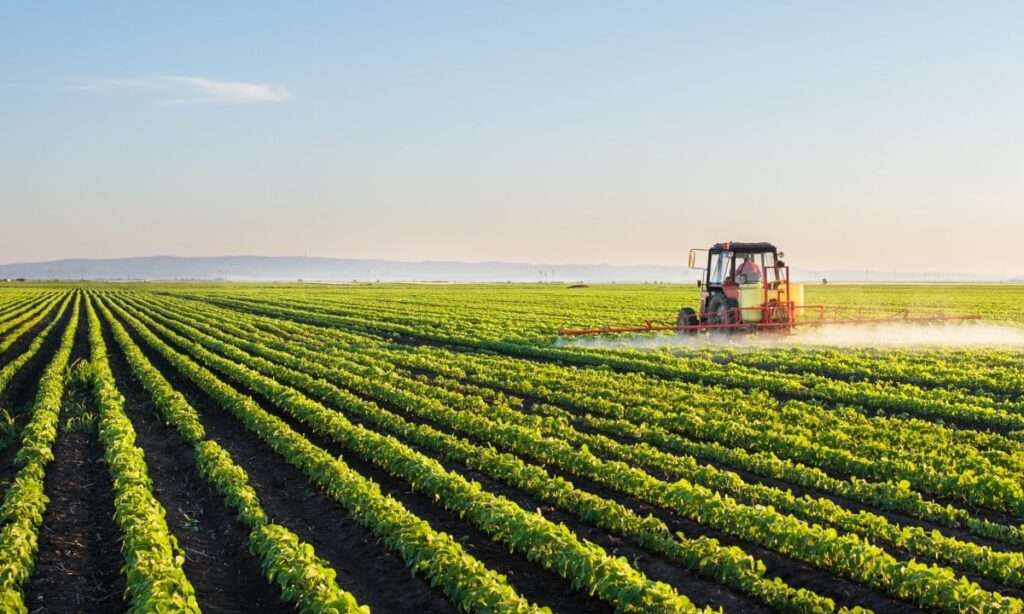
The Rise and Fall of Extensive Agriculture: Understanding the Traditional Method
As you imagine a rural lifestyle from the past, you’re likely thinking about extensive agriculture. In its traditional sense, extensive agriculture involves limited use of machinery and minimal investment in crop protection products and machinery.
This type of agriculture, which prefers human labor, stands in stark contrast to intensive agriculture. Intensive agriculture, on the other hand, requires the use of large areas of land or small plots that are not fully utilized, with a portion left fallow (marginal area).
Unfortunately, traditional extensive agriculture is no longer widely practiced today. The few remaining examples are mostly small-scale farmers and laborers.
What is Extensive Agriculture?
When referring to extensive agriculture on a large scale, we’re talking about a set of agricultural practices aimed at maximizing yields per unit of labor. This approach focuses on “guaranteed profits” as it involves the use of vast areas of land.
Extensive agriculture is primarily practiced in developing countries in Africa, Asia, Eastern Europe, and Latin America. The need for large areas of land due to limited investment in agricultural equipment drives this practice.
In our country, examples of extensive agriculture are mostly found in forage or cereal cultivation, which naturally require minimal intensive techniques.
Small-scale farms that practice extensive agriculture often combine agriculture with livestock farming.
Commercial examples of extensive agriculture can be seen in countries like Australia and the Murray-Darling Basin. These areas have vast expanses of flat land with large farms and a low level of soil disturbance, resulting in significant yields due to the abundance of available land.
While people commonly think of agriculture as just crop cultivation, there are other aspects of agriculture: livestock farming and pastoralism.
Nomadic Pastoralism: An Example of Extensive Agriculture
Pastoralism is one of the oldest forms of animal husbandry and can be seen as an extreme example of extensive agriculture. Sheep are moved across vast areas, fed with occasional feed, and watered mostly through rainfall.
What are the benefits?
The environmental advantages are clear-cut and immediate. The only drawback is the need for large areas to operate, while economic benefits include:
Minimal terracing and other soil work
Moderate use of agricultural machinery
Increased efficiency of labor
Guaranteed animal welfare in cases where farming is done alongside livestock farming
Low fertilizer requirements
There is a lack of definition that can truly capture the essence of this practice.
The Benefits of Extensive Agriculture
Extensive agriculture has several benefits, including:
- Environmental advantages: By using natural resources and minimizing soil disturbance, extensive agriculture reduces environmental degradation.
- Increased efficiency: With minimal machinery and labor requirements, farmers can focus on more efficient farming practices.
- Guaranteed animal welfare: Pastoralism ensures that animals are treated humanely and have access to natural grazing areas.
- Economic benefits: Extensive agriculture provides a reliable source of income for small-scale farmers and laborers.
However, extensive agriculture also has some limitations and drawbacks:
- Limited yields: The use of vast areas of land results in lower yields per unit of labor compared to intensive agriculture.
- Climate variability: Pastoralism is vulnerable to climate variability, which can lead to crop failures or reduced livestock productivity.
- Soil degradation: Soil erosion and nutrient depletion can occur with extensive agriculture, especially if proper soil management practices are not implemented.
Intensive Agriculture: A Contrasting Model
Intensive agriculture focuses on maximizing every inch of land. In contrast to extensive agriculture, which leaves much to chance, intensive agriculture has its own economic model.
Investments are substantial and are aimed at:
Ensuring maximum labor
Applying fertilizers and pesticides on a large scale
Using fungicides and herbicides to protect crops
Frequent soil cultivation
Mechanized harvesting and other operations
Since extensive agriculture produces lower yields per unit of land, it requires vast areas of land to be commercially viable. In practice, this means applying extensive agricultural practices when the land is poor but has a lot of space available.
From a commercial perspective, the model of extensive agriculture is practiced in both developing countries (due to lack of investors) and countries with low population densities, where there is little demand for primary products.
Integrative and Sustainable Agriculture: A Balanced Approach
Two models that can be considered ethical are integrative and sustainable agriculture. Both models differ from the oft-romanticized biological agriculture.
Biological agriculture is more comparable to intensive agriculture than extensive agriculture. Like intensive agriculture, biological agriculture uses pesticides (although less aggressive) and fertilizers to maximize production at all costs.
For more information on ethical agricultural practices:
Sustainable Agriculture: The Future of Extensive Agriculture
The future of extensive agriculture lies in sustainable agriculture practices that balance economic viability with environmental concerns and social responsibility. Sustainable agriculture aims to promote soil health, conserve water, and reduce the use of synthetic inputs while maintaining productivity.
To achieve this goal, farmers must adopt integrated farming systems that incorporate crop rotation, organic amendments, and conservation tillage. Additionally, they should consider using alternative technologies such as precision irrigation and automated harvesting systems.
Conclusion
In conclusion, traditional extensive agriculture has seen a decline in its practice today. The few remaining examples are mostly small-scale farmers and laborers. Extensive agriculture is primarily practiced in developing countries.
By understanding the benefits and drawbacks of this agricultural method, we can better appreciate the importance of considering our relationship with the environment when deciding how to manage our land.
Frequently Asked Questions
- What are the main differences between extensive and intensive agriculture?
Extensive agriculture focuses on maximizing yields per unit of labor using limited machinery and investments in crop protection products. Intensive agriculture, on the other hand, aims to maximize every inch of land using substantial investments in machinery and fertilizers.
- Which countries practice extensive agriculture?
Developing countries in Africa, Asia, Eastern Europe, and Latin America are among those that still practice extensive agriculture due to limited investment in agricultural equipment.
- What is the main benefit of pastoralism as an example of extensive agriculture?
Pastoralism offers immediate environmental advantages and guarantees animal welfare when farming is done alongside livestock farming.
- How does intensive agriculture differ from traditional extensive agriculture?
Intensive agriculture has its own economic model, focusing on substantial investments in machinery and fertilizers to maximize production at all costs.
- What are the benefits of integrative and sustainable agriculture compared to biological agriculture?
Integrative and sustainable agriculture offer a more balanced approach to land management, considering both environmental and social aspects. Biological agriculture, while often touted as an improvement over intensive practices, still involves the use of pesticides and fertilizers to maximize production.
- Which countries have practiced extensive agriculture in the past?
Countries like Australia and the Murray-Darling Basin have historically practiced extensive agriculture due to their vast expanses of flat land with low soil disturbance.
- What is the main challenge facing sustainable agriculture practices today?
The main challenge facing sustainable agriculture practices is balancing economic viability with environmental concerns and social responsibility.
- How can individuals contribute to promoting sustainable agriculture practices?
Individuals can promote sustainable agriculture practices by supporting local farmers who use environmentally friendly methods, choosing organic produce when possible, and advocating for policies that prioritize sustainable land management.


