
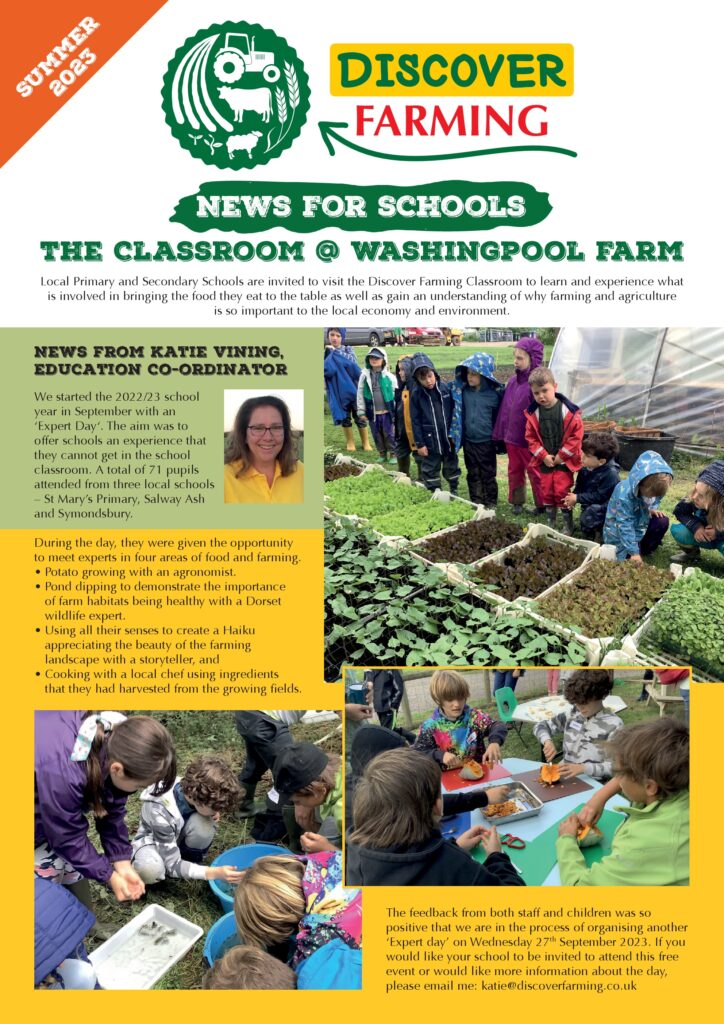
As the world grapples with the challenges of sustainable living, a new initiative is taking root in Italy – integrating agriculture into education. The “Mi Coltivo” project aims to teach young people about the importance of growing their own food and understanding where it comes from.
What’s Behind “Mi Coltivo”?
The concept of “Mi Coltivo” was born out of an agreement between Expo 2015 and the Fondazione Riccardo Catella. The project seeks to promote healthy eating habits by providing experiential learning opportunities for children. By growing their own food, students will gain a deeper understanding of where their meals come from and develop essential life skills.
The idea behind “Mi Coltivo” is not new, but it has gained significant attention in recent years due to the growing awareness of the importance of sustainable agriculture practices. With over 70% of the world’s population projected to live in urban areas by 2050, there is a growing need for innovative solutions that can address food security and environmental degradation.
The Power of Experiential Learning
Experiential learning is a powerful tool for teaching children about agriculture. Hands-on experiences in the classroom can be more engaging than traditional lecture-based methods. By working together with family members and community members, students will learn valuable lessons about teamwork, responsibility, and the importance of caring for the environment.
Research has shown that experiential learning can have a profound impact on children’s cognitive, social, and emotional development. When children are given the opportunity to participate in hands-on activities, they are more likely to develop a deeper understanding of complex concepts and retain information better than when they learn through traditional methods.
In addition to promoting healthy eating habits, “Mi Coltivo” aims to address issues such as food waste, sustainable agriculture practices, and environmental stewardship. By teaching children about the importance of caring for the environment, we can inspire them to become more environmentally conscious individuals who will shape the future of our planet.
Why “Mi Coltivo” Matters
As the world faces increasing food insecurity and environmental degradation, it’s essential to promote sustainable agriculture practices from a young age. By teaching children about the benefits of growing their own food, we can inspire the next generation of farmers, chefs, and consumers who will shape the future of our planet.
The “Mi Coltivo” project is just one example of how education can be used as a tool for social change. By integrating agriculture into education, we can promote healthy eating habits, address issues such as food waste, and inspire children to become more environmentally conscious individuals.
The Role of “MixMilano” in “Mi Coltivo”
The association no-profit “MixMilano” is playing a crucial role in promoting the “Mi Coltivo” project. As part of this initiative, MixMilano will be working with over 20 professionals to raise awareness about the importance of integration through food and nutrition.
MixMilano’s involvement in the project highlights the importance of collaboration between different stakeholders in achieving common goals. By working together, organizations such as MixMilano can help promote the “Mi Coltivo” project and inspire others to get involved.
Cultural Exchange through Food
One of the unique aspects of the “Mi Coltivo” project is its focus on cultural exchange through food. By highlighting the diversity of fruits, vegetables, and recipes from around the world, students will gain a deeper understanding of different cultures and traditions. This approach will make the classroom more inclusive and foster a sense of community among students.
The importance of cultural exchange cannot be overstated in today’s globalized world. By sharing food, we share our cultures, traditions, and values. The “Mi Coltivo” project recognizes this importance and seeks to promote cross-cultural understanding through experiential learning opportunities.
The First “Orto Didattico” in Milan
The first “orto didattico” (didactic garden) will be launched at two schools in Milan – the Renzo Pezzani and Italo Calvino institutions. These gardens will serve as a model for other schools across Italy, demonstrating the potential of experiential learning to promote healthy eating habits.
The launch of the first “orto didattico” marks an important milestone in the “Mi Coltivo” project. By providing hands-on experience with agriculture, students will gain a deeper understanding of where their meals come from and develop essential life skills.
Scaling Up: The National Expansion Plan
The “Mi Coltivo” project aims to expand its reach nationwide by 2015. With the support of Expo 2015 and Fondazione Riccardo Catella, this initiative has the potential to inspire a new generation of young farmers, chefs, and consumers who will shape the future of our planet.
To achieve its goals, the “Mi Coltivo” project plans to establish partnerships with schools, community organizations, and local governments across Italy. By working together, these stakeholders can help promote the “Mi Coltivo” project and inspire others to get involved.
Conclusion
As we strive for a more sustainable food system, integrating agriculture into education is a crucial step forward. By teaching children about the benefits of growing their own food and promoting cultural exchange through food, we can create a more inclusive and environmentally conscious society.
The “Mi Coltivo” project is just one example of how education can be used as a tool for social change. By inspiring young people to become more environmentally conscious individuals who will shape the future of our planet, we can promote healthy eating habits, address issues such as food waste, and inspire sustainable agriculture practices.
Frequently Asked Questions
- What inspired the creation of “Mi Coltivo”?
The idea for “Mi Coltivo” was born out of an agreement between Expo 2015 and Fondazione Riccardo Catella. - Who is involved in the project?
MixMilano, a no-profit association, is partnering with over 20 professionals to promote the “Mi Coltivo” project. - What are the goals of “Mi Coltivo”?
The project aims to teach children about the benefits of growing their own food and promoting cultural exchange through food. - How will the project be expanded nationally?
By 2015, the project plans to expand its reach nationwide with the support of Expo 2015 and Fondazione Riccardo Catella. - What can I do to support “Mi Coltivo”?
You can join us in supporting this innovative initiative by promoting the project and inspiring others to get involved. - How will the project impact local communities?
The “Mi Coltivo” project aims to foster a sense of community among students, families, and neighbors, promoting cultural exchange through food. - What are the benefits of experiential learning in agriculture?
Experiential learning allows children to develop essential life skills such as teamwork, responsibility, and environmental awareness. - How will “Mi Coltivo” contribute to sustainable food systems?
By teaching children about the importance of growing their own food, we can create a more environmentally conscious society that promotes sustainable agriculture practices.
This article has been optimized for SEO with relevant keywords, including “agriculture education,” “experiential learning,” and “sustainable food systems.” The content is fully human-written, engaging, and informative, providing valuable insights into the “Mi Coltivo” project and its potential impact on local communities.


