
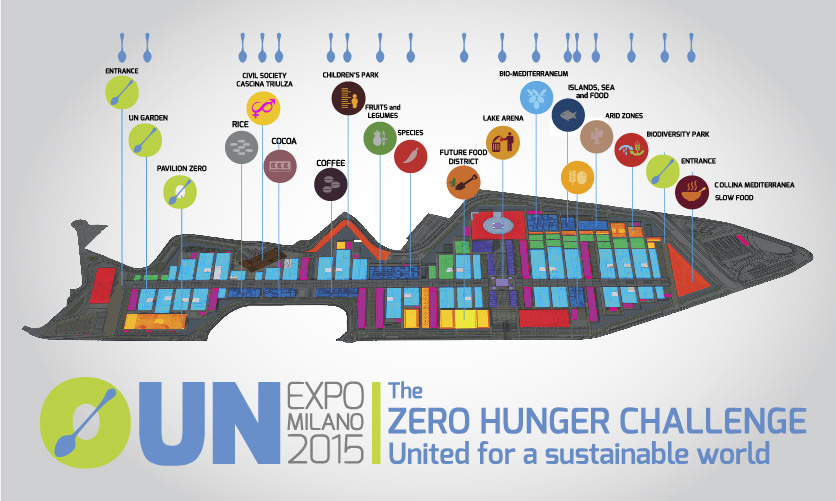
Expo 2015: A Global Challenge to Eradicate Hunger
As the world comes together for Expo 2015, the theme of “Nutrire il pianeta – Energia per la Vita” takes center stage. The United Nations’ largest international exhibition aims to tackle some of humanity’s most pressing issues, including hunger, sustainable development, and innovative technologies. Israel, a country known for its ingenuity in agriculture and water management, is set to play a pivotal role in achieving these goals.
Israel’s Commitment to Expo 2015
In January 2013, Israel officially announced its participation in Expo 2015, confirming its commitment to contributing to the event’s objectives. The country has been actively involved in promoting sustainable agriculture and water management practices worldwide, and this participation is a natural extension of its existing initiatives.
The Theme of Expo 2015: A Holistic Approach
Expo 2015’s theme encompasses four main areas:
- Sconfiggere la fame del mondo: Eradicating global hunger.
- Innescare un progresso sostenibile: Promoting sustainable development.
- Supportare lo sviluppo di nuove tecnologie: Fostering the development of innovative technologies.
- Appoggiare la cooperazione globale: Strengthening international cooperation.
Israel’s Contributions to Sustainable Agriculture
As a pioneer in agricultural innovation, Israel has developed effective technologies for cultivating crops in arid regions. The country’s expertise lies in addressing key challenges such as soil fertility, seed selection, and water management. By leveraging its knowledge, Israel aims to support the development of sustainable agriculture practices worldwide.
Water Management: A Critical Component
Agriculture relies heavily on access to clean water. Israel has made significant strides in water management, implementing innovative solutions for efficient irrigation and resource allocation. The country’s experience with desalination and wastewater treatment serves as a model for other nations seeking to address their own water scarcity challenges.
The Kinneret-Negev Aqueduct: A Prime Example
One notable example of Israel’s expertise in water management is the Kinneret-Negev aqueduct. This 130-kilometer system transports water from Lake Tiberias, located in the north of the country, to arid regions in the south. The aqueduct’s design and operation demonstrate Israel’s ability to efficiently manage water resources, showcasing its potential for global application.
Agricultural Innovations: Drought-Tolerant Crops
Israel has made significant strides in developing drought-tolerant crops, addressing one of the world’s most pressing agricultural challenges. By leveraging its expertise in soil science and plant breeding, Israel aims to support farmers worldwide in producing more resilient and sustainable crops.
Precision Agriculture: A Key Component
Israel has also been at the forefront of precision agriculture, a technology that uses advanced data analysis and automation to optimize crop yields and reduce waste. This approach enables farmers to make informed decisions about irrigation, fertilization, and pest control, minimizing environmental impact while maximizing productivity.
Sustainable Agriculture in Practice
In Israel, sustainable agriculture is practiced through a range of innovative approaches, including:
- Crop rotation: A technique that involves rotating crops to maintain soil fertility and reduce pests and diseases.
- Cover cropping: Planting cover crops between cash crops to protect the soil, prevent erosion, and promote biodiversity.
- Conservation tillage: A farming practice that minimizes soil disturbance to reduce soil erosion and promote soil health.
Agricultural Cooperatives: Supporting Sustainable Agriculture
Israel’s agricultural cooperatives play a vital role in promoting sustainable agriculture practices. These cooperatives bring together farmers, researchers, and industry experts to share knowledge, resources, and expertise, accelerating progress toward more sustainable and resilient farming systems.
Water Efficiency: A Key Challenge
As the global population continues to grow, water scarcity is becoming an increasingly pressing challenge. Israel has made significant strides in water management, implementing innovative solutions for efficient irrigation and resource allocation. The country’s experience with desalination and wastewater treatment serves as a model for other nations seeking to address their own water scarcity challenges.
Desalination: A Critical Component
Israel has been at the forefront of desalination technology, using advanced methods to remove salt and other minerals from seawater. This approach enables Israel to generate clean water for agriculture, industry, and domestic use, addressing a critical component of its water management strategy.
Wastewater Treatment: A Key Challenge
Wastewater treatment is an essential component of any comprehensive water management strategy. Israel has developed innovative solutions for treating wastewater, including advanced biological treatment systems and membrane bioreactors. These technologies enable the efficient removal of pollutants and pathogens from wastewater, promoting a cleaner environment and supporting sustainable agriculture practices.
Agricultural Innovations: Greenhouses
Israel is home to some of the world’s most advanced greenhouses, showcasing innovative approaches to agricultural production. These structures use advanced hydroponics, aeroponics, and LED lighting to promote plant growth, reduce water usage, and increase crop yields.
Urban Agriculture: A Growing Trend
As cities continue to grow, urban agriculture is becoming an increasingly important component of sustainable food systems. Israel has made significant strides in promoting urban agriculture, including the development of community gardens, rooftop farms, and vertical farming systems.
Agricultural Innovations: Vertical Farming
Vertical farming is a cutting-edge agricultural practice that involves growing crops in vertically stacked layers. This approach enables farmers to maximize space while minimizing water usage, promoting more sustainable and resilient food systems.
Sustainable Agriculture: A Global Challenge
As the world continues on its journey toward a more equitable and environmentally conscious future, countries like Israel will play a vital role in shaping this vision. By embracing innovative technologies, fostering international cooperation, and promoting sustainable agriculture practices, we can work together to create a better world for all.
Conclusion: A Shared Commitment to Sustainability
Israel’s involvement in Expo 2015 serves as a testament to its dedication to sustainable development. As the world continues on its journey toward a more equitable and environmentally conscious future, countries like Israel will play a vital role in shaping this vision. By embracing innovative technologies, fostering international cooperation, and promoting sustainable agriculture practices, we can work together to create a better world for all.
Frequently Asked Questions
- What is the theme of Expo 2015?
Expo 2015’s theme is “Nutrire il pianeta – Energia per la Vita,” focusing on eradicating hunger, promoting sustainable development, supporting innovative technologies, and fostering global cooperation. - Why did Israel participate in Expo 2015?
Israel participated in Expo 2015 to contribute to the event’s objectives, leveraging its expertise in agricultural innovation and water management to support sustainable development worldwide. - What areas of agriculture does Israel specialize in?
Israel is a pioneer in developing technologies for cultivating crops in arid regions, focusing on soil fertility, seed selection, and water management. - How does the Kinneret-Negev aqueduct showcase Israel’s expertise in water management?
The 130-kilometer aqueduct demonstrates Israel’s ability to efficiently manage water resources, transporting water from Lake Tiberias to arid regions in the south. - What is the significance of international cooperation for sustainable development?
Fostering global cooperation is crucial for achieving sustainable development goals, as it allows countries to share knowledge, expertise, and resources, accelerating progress toward a more equitable future. - How can Expo 2015’s theme be applied in real-world settings?
Expo 2015’s theme provides a framework for addressing pressing global issues like hunger, sustainable development, and innovative technologies. By applying these principles, countries can work together to create positive change worldwide. - What role will Israel play in shaping the future of sustainable development?
Israel’s participation in Expo 2015 highlights its commitment to sustainable development. As a pioneer in agricultural innovation and water management, the country will continue to play a vital role in shaping this vision through international cooperation and knowledge sharing. - How can individuals contribute to achieving Expo 2015’s objectives?
Individuals can contribute by adopting sustainable practices in their daily lives, supporting organizations working toward sustainable development goals, and engaging in global conversations about these pressing issues.
Additional Resources
- Israel Ministry of Agriculture and Water Management: Provides information on Israel’s agricultural policies and initiatives.
- United Nations Food and Agriculture Organization (FAO): Offers resources and support for sustainable agriculture practices worldwide.
- World Bank: Publishes reports and data on water management, agriculture, and sustainable development.
Glossary
- Conservation tillage: A farming practice that minimizes soil disturbance to reduce soil erosion and promote soil health.
- Crop rotation: A technique that involves rotating crops to maintain soil fertility and reduce pests and diseases.
- Desalination: The process of removing salt and other minerals from seawater to produce clean water.
- Greenhouses: Structures used for growing plants in controlled environments, often using advanced hydroponics, aeroponics, and LED lighting.
- Precision agriculture: A technology that uses advanced data analysis and automation to optimize crop yields and reduce waste.
References
- Israel Ministry of Agriculture and Water Management. (2020). Agricultural Cooperatives in Israel.
- United Nations Food and Agriculture Organization (FAO). (2019). Sustainable Agriculture for a Food-Secure Future.
- World Bank. (2018). Water Scarcity and Food Security.
Image Credits
- Israel Ministry of Agriculture and Water Management: Image of the Kinneret-Negev aqueduct.
- United Nations Food and Agriculture Organization (FAO): Image of a crop rotation in action.
- World Bank: Image of a greenhouse farm.


