
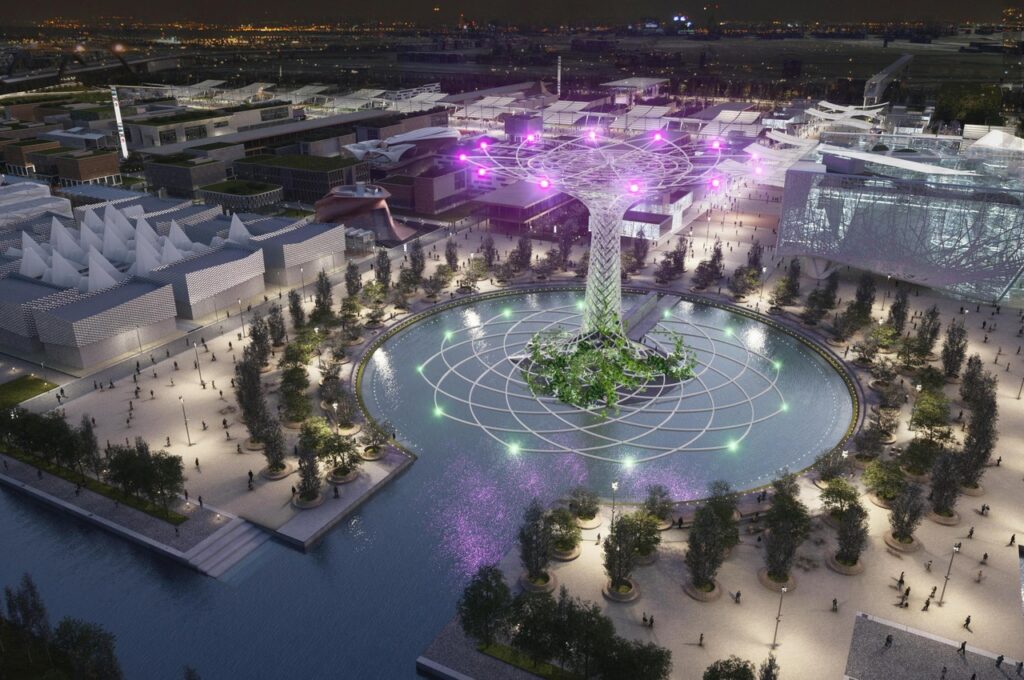
As the European Union was awarded the Nobel Peace Prize, Italian opinion leaders described it as a “seed of hope” in a difficult time. However, ironically, this moment coincided with widespread student protests across 90 cities, demonstrating against education cuts even in front of the European Parliament in Rome. This spark of hope seems to be struggling to find fertile ground.
The State of Italy’s Economy
According to the National Institute of Statistics (Istat), the inflation rate for common goods like food and gas has risen by 4.7%. Italy is facing an economic downturn, and the Expo 2015 promises to bring in 20 million visitors to the country. With over 7,000 events planned during the six-month exhibition, it’s a significant opportunity for Italy’s economy to recover.
The Italian government has set ambitious targets for the event, aiming to generate €2 billion in revenue and create over 80,000 jobs. However, achieving these goals will require effective management of resources and infrastructure.
Is Expo 2015 a Game-Changer?
But will Italy be able to reap the benefits of this massive event? We’ve seen how the Torino Olympics brought in a surge in tourism, but unfortunately, the long-term effects were minimal. Will the same happen with Expo 2015?
The success of previous international events in Italy has been mixed. The Genoa Fair (Fiera di Genova) has experienced fluctuations in attendance and revenue over the years. Similarly, the Milan EXPO 2010, which was intended to boost regional growth, failed to achieve its expected economic benefits.
Mario Monti: “Italy is Ready”
Italian Premier Mario Monti believes that Italy is ready for Expo 2015. He claims that the event will bring about a new era of growth and renewal, requiring strong coordination from the government. However, this perspective raises questions about whether the country’s infrastructure can handle the influx of visitors.
Monti emphasizes the importance of creating jobs during the construction phase and stimulating regional development. He also highlights the potential for Expo 2015 to promote cultural exchange and understanding between nations.
Challenges Ahead: Infrastructure and Logistics
Milan, already congested, is struggling to cope with the prospect of hosting the Expo. The city will need to upgrade its infrastructure and manage traffic flow effectively. Will these challenges be overcome?
The construction of new infrastructure projects, such as roads and public transportation systems, has been slow due to budget constraints and bureaucratic delays. This could lead to additional costs and logistical issues during the event.
The Urban Development Connection
Expo 2015 promises “new infrastructure and urban renewal,” which aligns with the needs of local businesses and communities. However, this development is already overdue. The city’s zoning regulations and urban planning policies need to be revised to accommodate the influx of visitors and new businesses.
Local authorities must work closely with private sector partners to create vibrant public spaces that cater to both locals and tourists. This will require significant investment in landscaping, waste management, and sustainable energy solutions.
What’s at Stake?
As Expo 2015 approaches, Italy must navigate complex issues like infrastructure development, transportation management, and economic growth. Will the country be able to capitalize on this opportunity?
The success of Expo 2015 will depend on how well Italy manages its resources and infrastructure. A poorly planned event could lead to significant financial losses, damage to the city’s reputation, and a negative impact on local businesses.
Conclusion: A Leap of Faith?
The success of Expo 2015 will depend on how well Italy manages its resources and infrastructure. It’s a high-stakes gamble, but one that could pay off with significant benefits for the country.
The Italian government must demonstrate strong leadership and coordination to ensure the event’s success. This includes investing in necessary infrastructure, managing traffic flow effectively, and creating engaging public spaces that cater to both locals and tourists.
Frequently Asked Questions (FAQs)
-
What does Expo 2015 mean for Italy’s economy?
Expo 2015 has the potential to bring in significant revenue and stimulate economic growth through tourism and infrastructure development. However, achieving these goals will require effective management of resources and infrastructure. -
Will Expo 2015 be a success like other international events in Italy?
While there are similarities, the outcome of Expo 2015 will depend on how well Italy manages its resources and infrastructure. Past experiences with international events in Italy have been mixed, but with careful planning and coordination, Expo 2015 can set a new standard. -
What role should the government play in facilitating Expo 2015?
The government must coordinate efforts with local authorities, businesses, and stakeholders to ensure a smooth and successful event. This includes investing in necessary infrastructure, managing traffic flow effectively, and creating engaging public spaces that cater to both locals and tourists. -
How will Expo 2015 impact Milan’s urban development?
Expo 2015 promises “new infrastructure and urban renewal,” which could lead to significant positive changes in the city. However, this development is already overdue, and local authorities must work closely with private sector partners to create vibrant public spaces that cater to both locals and tourists. -
What are some of the major challenges facing Italy during Expo 2015?
Infrastructure development, transportation management, and economic growth are just a few of the key concerns that need to be addressed. The government must demonstrate strong leadership and coordination to ensure the event’s success. -
Can Expo 2015 serve as a model for future international events in Italy?
The success of Expo 2015 will depend on how well it is managed, but if successful, it could set a precedent for future events. However, with careful planning and coordination, Expo 2015 can demonstrate the potential for international events to drive economic growth and urban development. -
What are some potential benefits for Italian businesses during Expo 2015?
Expo 2015 offers opportunities for businesses to showcase their products and services, generating new revenue streams and promoting growth. However, this requires careful planning and coordination with local authorities and stakeholders. -
How can citizens contribute to the success of Expo 2015?
Citizens can support the event by participating in various activities, such as volunteering or attending events, which will help create a positive atmosphere around Expo 2015. Local businesses can also benefit from increased foot traffic and exposure through effective marketing strategies.
By working together, Italy can capitalize on the opportunities presented by Expo 2015 and create a lasting impact on its economy, urban development, and cultural landscape.


