
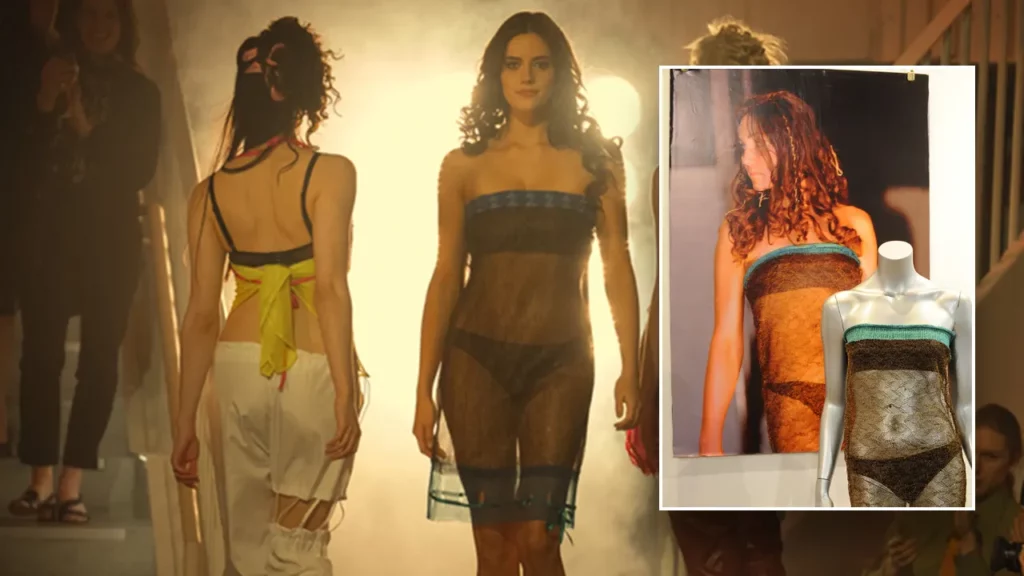
When it comes to the sprawling series “The Crown,” it’s not just the gripping narrative and the rich historical context that captivates viewers—it’s also the captivating fashion that adorns the cast. Each meticulously crafted costume plays a pivotal role in bringing to life the royal personas we all recognize. In this article, we will delve deep into how “The Crown” recreates the iconic styles of British royalty with stunning precision. From accessorizing to fabric choice, let’s explore the intricate tapestry of fashion that shapes this acclaimed series.
The Era of Elegance: Costume Design as a Character
Costume designer Amy Roberts, alongside her talented team, works an unparalleled level of detail and dedication into the wardrobe of “The Crown.” More than just clothing, each outfit carries its historical significance, evoking specific emotions tied to the characters’ lives and socio-political contexts. The attention paid to authenticity is a testament to the artistic vision that flows through each season, crafting the stunning visual narrative that lures audiences into a world of regal splendor.
The era depicted in “The Crown,” ranging from the post-World War II period onwards, was marked by unique fashion trends. The show thoughtfully recalls elements from different decades, from Queen Elizabeth II’s tailcoats and glamorous evening gowns to Winston Churchill’s crisply tailored suits. Every piece of attire is researched diligently, ensuring that it echoes the real-life inspirations while maintaining a cohesive look throughout the series.
A Palette of Colors and Fabrics
Color is a primary language in fashion, allowing characters to express their emotions and societal roles. In “The Crown,” the palette often reflects the mood and status of each royal figure. For instance, Queen Elizabeth II is frequently seen in soft pastels, exuding grace and femininity while still maintaining an air of authority. These lighter hues contrast with darker, more muted colors worn by characters like Winston Churchill, showcasing his somber personality and the gravitas of his political role.
Moreover, the fabrics used in the costumes enhance the overall aesthetic. For example, luxurious silks and velvets are favored for royal evening wear, presenting an affluent image. Wool and tweed, on the other hand, are commonly utilized for daytime attire, providing comfort and practicality. Each material serves to tell a deeper story, grounding the characters in a specific time and place while emphasizing their social status.
Attention to Historical Detail
What sets “The Crown” apart is its commitment to historical accuracy. The production team meticulously studies photographs, historical documents, and interviews to ensure an authentic representation of what the royal family wore. This dedication means that audience members can expect to see accurate recreations of iconic moments, such as the debutante ball dresses donned by Elizabeth and Margaret in their youth or the elegant outfits worn during state occasions.
One standout example of this astute attention to detail is the recreation of Elizabeth’s wedding dress, designed by Norman Hartnell. The show’s portrayal of the gown reflects the one worn during her marriage to Prince Philip, from the intricate beading to the elegant silhouette—all crafted to echo the original with exquisite fidelity.
Iconic Accessories: The Devil is in the Details
Accessories play a vital role in pulling an entire look together, and in “The Crown,” they are no mere afterthought. Items such as gloves, hats, brooches, and jewelry often bear significant historical meaning, adding depth to each character’s wardrobe. For instance, the Queen’s collection of exquisite brooches, passed down through generations, is an important motif throughout the series. Each brooch serves not just as a fashion statement but as a symbol of her heritage and duty.
Clutch bags are also a recurring element, expertly designed to complement the outfits. This attention to detail extends even to the iconic headpieces worn during public appearances. For instance, the playful feathered hats and pillbox hats function as not only fashion statements but also reflections of the royal family’s poise and tradition.
Building Character Through Fashion
In “The Crown,” fashion does more than just adorn; it helps build character. The evolution of Queen Elizabeth’s wardrobe throughout the series beautifully illustrates her journey from a young, hesitant monarch to a fiercely resilient leader. Early on, her wardrobe features less elaborate designs that reflect her youth, while later seasons showcase an evolution towards more sophisticated and assertive pieces that symbolize her growth and confidence in her role.
Margaret Thatcher, portrayed with precision by Gillian Anderson, also exemplifies this idea. Her sharp suits and power dresses signify her ambition and determination to break through the political glass ceiling during a male-dominated era. The fashion choices reflect her grit and reinforce her status as the first female Prime Minister of the United Kingdom.
[amazon box=”B08XLLF3PG”]
Influences from Other Cultures
“The Crown” does not shy away from exploring the cultural influences that have shaped the British royal family’s fashion choices. Costumes in the series often draw inspiration from various cultures, integrating elements that celebrate the diverse heritage of the Commonwealth. For instance, during the numerous state visits and occasions hosted by the Royal Family, one can notice outfits embellished with intricately woven designs or fabrics that pay homage to the places they represent, showcasing the beauty in cross-cultural exchange.
This reception of varied cultural attire also reflects the modernizing role that the royal family is embracing, welcoming representatives from different cultures and recognizing the significance of global influence on fashion.
The Social Commentary Embedded in Fashion
Costumes in “The Crown” often act as a medium for social commentary, illuminating how societal structures influence fashion choices. For example, the extravagant and extravagant dresses worn at royal engagements contrast sharply with the more austere attire of common citizens during the same pivotal moments in history. This juxtaposition serves as a reminder of the class distinctions that existed then, encouraging audiences to reflect on the implications behind clothing choices and what they reveal about one’s position in society.
Particularly in the portrayal of events such as the Aberfan disaster, the fashion choice reflects the stark difference in experiences and emotions. Queen Elizabeth’s attire during these moments moves away from elaborate design and leans towards somber decay, steeped deeply in empathy for those affected. The designers might choose muted colors or simpler lines to emphasize the tragedy, skillfully weaving the emotional narrative with the visual portrayal.
The Future of Royal Fashion
As we look toward the future, it is essential to consider how series like “The Crown” shape our perceptions of royal fashion. The series sparks renewed interest in historical fashion and allows contemporary designers to draw inspiration from the past. From a broader perspective, it challenges the boundaries of traditional royal attire and invites new interpretations of what it means to be fashionable in relation to history.
Additionally, with the rise of social media, fashion trends seen in “The Crown” often transcend television. Influencers and designers are likely to adopt elements from the show, churning the wheel of fashion further and merging classic designs with modern aesthetics.
Conclusion: The Lasting Legacy of Royal Fashion in The Crown
In conclusion, “The Crown” does more than just portray the lives of British royalty; it intricately narrates a story through fashion, carefully stitching historical accuracy with creativity. Every element—from color choices to intricate fabrics—contributes to the larger narrative, creating an emotional landscape that resonates with viewers. As audiences continue to immerse themselves in this captivating series, they cannot help but admire not only the royal legacies it portrays but also the remarkable artistry that goes into dressing them.
The legacy of royal fashion, as recreated in “The Crown,” is one of elegance, tradition, and modernization. It reflects the complex web of human experiences that celebrities, in this case, royal figures, undergo throughout their lives, presenting viewers with a visual manifesto of power, change, and, ultimately, resilience. So the next time you find yourself enchanted by a scene from “The Crown,” take a moment to appreciate the craftsmanship woven into every thread, appreciating the artistic genius that unites fashion with history in this beloved series.


