
As the world shifts towards more sustainable modes of transportation, electric vehicles (EVs) are becoming an increasingly popular choice. However, one major concern for many potential buyers is the cost of charging their cars. In this article, we’ll delve into the world of EV charging and explore how it’s changing the game.
Understanding EV Charging Costs
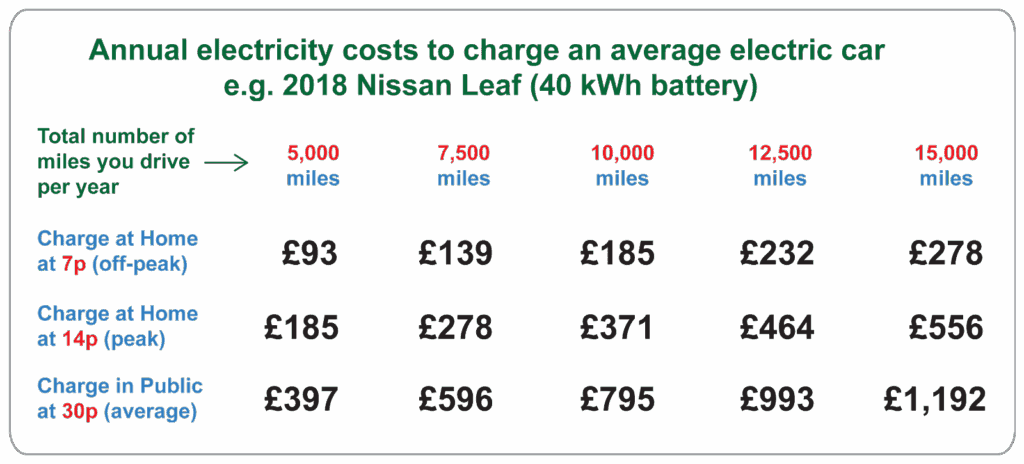
The cost of EV charging varies widely depending on several factors, including the type of vehicle, the location, and the charging method. On average, a full charge can cost anywhere from 1 to 3 euros, which allows drivers to travel at least 120 kilometers. For comparison, a diesel-powered car with a similar range would require a fill-up costing around 13 euros.
For instance, the Smart Electric Drive is an EV that can charge for just 1.15 euros and offers an impressive range of 145 kilometers on a single charge. Moreover, studies have shown that the cost of insuring electric vehicles is significantly lower than those of traditional petrol-powered cars, while maintenance costs are also reduced.
The Rise of Fast Charging
One major concern for many potential EV buyers is the availability of charging infrastructure, particularly in rural areas. However, fast-charging technology is revolutionizing the landscape. Companies like Tritium, an Australian-based firm, are developing innovative systems that can charge vehicles up to 20 times faster than standard home charging.
Their Veefil system, for example, can recharge a vehicle’s battery to 80% in just 10 minutes. This means that drivers no longer have to worry about waiting for hours at charging stations, making long-distance travel more practical and convenient.
The Benefits of Fast Charging
Fast-charging technology is not only reducing wait times but also increasing the overall efficiency of EVs. By recharging batteries faster, drivers can enjoy a more seamless driving experience, while also minimizing the time spent on the road.
In fact, studies have shown that fast-charging systems can reduce emissions by up to 80% compared to traditional fossil-fuel-powered vehicles. This is because EVs produce zero tailpipe emissions, making them an attractive option for environmentally conscious drivers.
How Fast Charging Works
So, how exactly do fast-charging systems work? In simple terms, they use high-power charging technology to rapidly recharge a vehicle’s battery. This is typically achieved through the use of onboard charging systems, which can be connected directly to the grid or charged from an external power source.
When it comes to paying for fast charging, drivers have several options available. Some charging stations offer pay-as-you-go pricing, where drivers are billed directly for the energy used. Others require a subscription or membership program, which can provide discounts and other perks.
The Future of Fast Charging
As the demand for EVs continues to grow, so too will the need for fast-charging infrastructure. Governments and private companies alike are investing heavily in developing this technology, with plans to deploy thousands of fast-charging stations across Europe and beyond.
In Italy, for example, several cities have already launched initiatives to encourage the adoption of EVs, including the city of Parma, which offers a special subscription program for drivers who use its public charging network. This program allows drivers to track their energy usage and receive discounts on their electricity bills.
Charging Infrastructure: A Growing Concern
One major challenge facing the widespread adoption of EVs is the availability of charging infrastructure. In many areas, especially in rural regions, charging stations are scarce or non-existent. This can make long-distance travel difficult, if not impossible, for some drivers.
To address this issue, governments and private companies are investing heavily in developing charging infrastructure. For example, Norway has set a goal to have 500,000 public charging points by 2025, while the UK aims to deploy 30,000 rapid chargers across its network by 2030.
Charging at Home: A Convenient Option
For drivers who live in urban areas or have access to reliable internet connectivity, charging at home can be a convenient and cost-effective option. Many EV owners take advantage of fast-charging technology to top up their batteries during the night while they sleep, ensuring that they’re ready to go for the next day.
Public Charging Networks: A Growing Option
For drivers who need to charge on-the-go, public charging networks are becoming increasingly popular. Many countries have developed networks of public charging stations, often sponsored by private companies or governments.
In Germany, for example, there are over 30,000 public charging points available, while the UK has over 10,000 rapid chargers across its network. In the US, companies like ChargePoint and Electrify America are investing heavily in developing public charging infrastructure, with plans to deploy thousands of stations across the country.
Charging on-the-Go: A Game-Changer
Fast-charging technology is revolutionizing the way we think about long-distance travel. With the ability to recharge batteries quickly and easily, drivers can now enjoy a seamless driving experience without worrying about waiting for hours at charging stations.
In fact, studies have shown that fast-charging systems can reduce travel times by up to 50% compared to traditional fossil-fuel-powered vehicles. This means that drivers can save time, money, and stress, while also reducing their environmental impact.
Charging Speeds: A Key Factor
When it comes to charging speeds, there are several factors to consider. The most common type of charging is Level 2 charging, which uses a standard 230-volt socket to charge batteries at a rate of up to 22 miles per hour. Fast-charging systems, on the other hand, use high-power charging technology to recharge batteries in just a few minutes.
Charging Costs: A Growing Concern
While fast-charging technology is reducing wait times and increasing efficiency, charging costs remain a concern for many drivers. Some charging stations offer pay-as-you-go pricing, where drivers are billed directly for the energy used. Others require a subscription or membership program, which can provide discounts and other perks.
Conclusion
The cost of EV charging is no longer a major barrier to entry for sustainable mobility. Fast-charging technology is revolutionizing the landscape, making long-distance travel more practical and convenient than ever before. As governments and private companies continue to invest in this technology, we can expect to see widespread adoption of EVs across Europe and beyond.
Frequently Asked Questions
- How much does it cost to charge an EV?
The cost of charging an EV varies widely depending on the type of vehicle, location, and charging method. On average, a full charge can cost anywhere from 1 to 3 euros. - What is fast-charging technology?
Fast-charging technology allows vehicles to recharge their batteries up to 20 times faster than standard home charging. This means that drivers no longer have to wait for hours at charging stations. - How does fast-charging work?
Fast-charging systems use high-power charging technology to rapidly recharge a vehicle’s battery. This is typically achieved through the use of onboard charging systems, which can be connected directly to the grid or charged from an external power source. - What are the benefits of fast-charging?
Fast-charging reduces wait times and increases the overall efficiency of EVs, making long-distance travel more practical and convenient. It also minimizes the time spent on the road, reducing emissions by up to 80% compared to traditional fossil-fuel-powered vehicles. - How can I pay for fast charging?
Drivers have several options available, including pay-as-you-go pricing, subscription or membership programs, and special discount plans offered by some charging stations.
Stay tuned for more updates on the world of EVs and sustainable mobility!


