
Introduction
For centuries, the eucalyptus leaf has been revered for its medicinal properties, from ancient civilizations to modern times. This remarkable plant is a treasure trove of natural remedies, offering a wide range of benefits that can alleviate various health issues. In this article, we will delve into the world of eucalyptus leaves, exploring their uses, properties, and applications in traditional medicine.
Harvesting and Drying Eucalyptus Leaves
Eucalyptus leaves are best harvested during the summer months when they are at their peak potency. The ideal leaves to choose are those that are longer and thinner, typically found on older branches of the plant. To preserve these leaves for future use, it is recommended to dry them in a well-ventilated area, away from direct sunlight.
Properties and Uses of Eucalyptus Leaves
Eucalyptus leaves possess a range of remarkable properties, including:
- Astringent: Helping to reduce inflammation and alleviate symptoms associated with colds, flu, and fever
- Balsamic: Exhibiting antibacterial and antifungal properties that can aid in the treatment of wounds and skin irritations
- Antiparasitic: Demonstrating vermifuge properties, effective against intestinal parasites and worms
- Fever-reducing: Displaying febrifuge properties that can help alleviate symptoms associated with high body temperatures
In addition to these properties, eucalyptus leaves have been used for centuries as a natural remedy for various health issues, including:
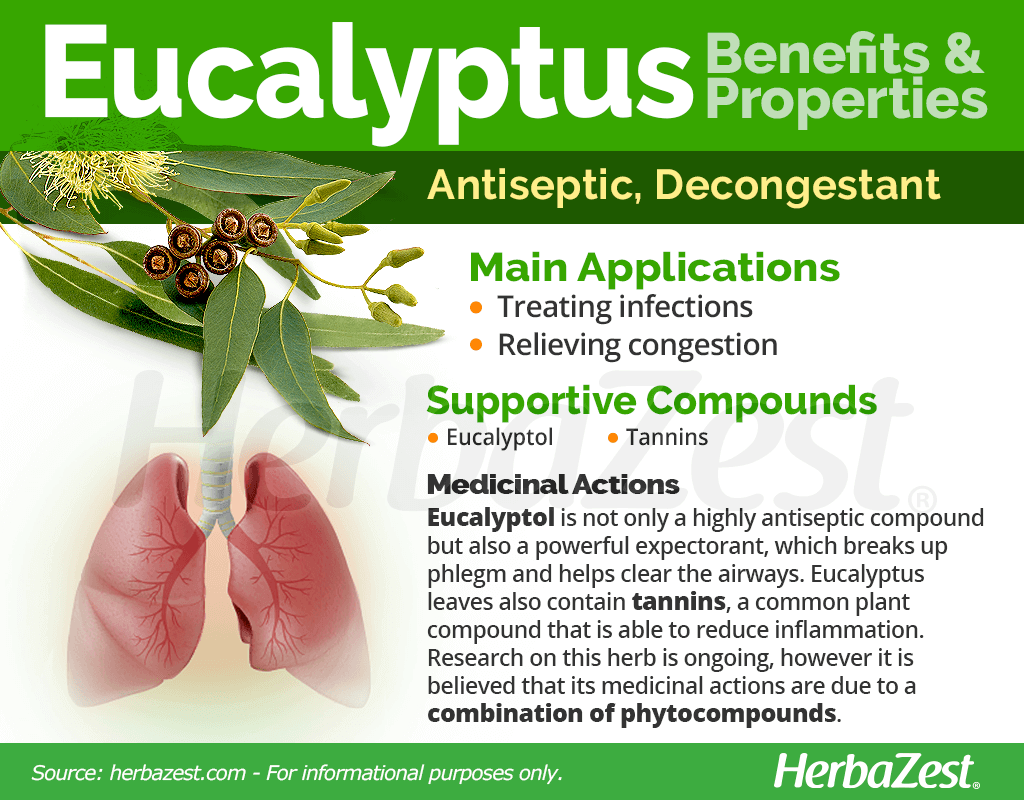
- Respiratory problems such as bronchitis, asthma, and congestion
- Skin conditions like eczema, acne, and skin irritations
- Digestive issues such as indigestion, bloating, and constipation
Using Eucalyptus Leaves in Traditional Remedies
Eucalyptus leaves can be used in a variety of ways to harness their medicinal properties. Some popular methods include:
- Infusions: Steeping eucalyptus leaves in hot water to create a soothing tea that can aid in relieving congestion and coughs
- Essential oils: Extracting the essential oil from eucalyptus leaves, which can be used topically or added to bathwater for its decongestant properties
- Suffumigis: Burning eucalyptus leaves to create a smoky vapor that can help relieve respiratory issues and reduce inflammation
Eucalyptus Leaves and Skin Care
Eucalyptus leaves have been used in traditional medicine for their ability to soothe and calm the skin. Some ways to utilize eucalyptus leaves in skincare include:
- Skin toners: Using a mixture of eucalyptus leaves and water as a toner to help balance the skin’s pH and reduce inflammation
- Face masks: Applying a paste made from crushed eucalyptus leaves and water to the face, which can help alleviate acne, reduce redness, and soothe irritation
Eucalyptus Leaves and Hair Care
In addition to their skin-soothing properties, eucalyptus leaves have also been used in traditional medicine for their ability to promote healthy hair growth. Some ways to utilize eucalyptus leaves in hair care include:
- Shampoos: Adding eucalyptus leaves to shampoo recipes to help reduce dandruff, soothe scalp irritation, and promote healthy hair growth
- Hair masks: Using a mixture of eucalyptus leaves and olive oil as a hair mask to nourish the hair, reduce frizz, and promote shine
Eucalyptus Leaves in Traditional Medicine
Eucalyptus leaves have been used for centuries in traditional medicine for various health issues. Some popular ways to use eucalyptus leaves in traditional medicine include:
- Tinctures: Using a tincture made from eucalyptus leaves to help alleviate symptoms associated with colds and flu
- Poultices: Applying a poultice made from crushed eucalyptus leaves to the skin, which can help reduce inflammation and promote healing
- Salves: Using a salve made from eucalyptus leaves to help soothe and calm irritated skin
Precautions and Side Effects
While eucalyptus leaves have been used for centuries in traditional medicine, there are some precautions to consider when using them. Some potential side effects of using eucalyptus leaves include:
- Allergic reactions: Rare, but may occur in some individuals
- Skin irritation: May cause skin irritation or allergic reactions in some individuals
- Overuse: Using too much eucalyptus leaf can cause overuse and lead to negative side effects
Conclusion
Eucalyptus leaves are an incredible natural remedy that offers a wide range of benefits for various health issues. From relieving respiratory problems to soothing skin irritations, eucalyptus leaves have been used in traditional medicine for centuries. By harnessing their medicinal properties, we can unlock the full potential of these remarkable leaves and experience the many wonders they have to offer.
Frequently Asked Questions (FAQs)
-
What are the best times to harvest eucalyptus leaves?
- Best time: Summer months when the leaves are at their peak potency
-
How do I dry eucalyptus leaves for future use?
-
Dry in a well-ventilated area, away from direct sunlight
-
What are some popular methods of using eucalyptus leaves?
-
Infusions, essential oils, suffumigis
-
How can I use eucalyptus leaves for skin care?
-
Skin toners, face masks, hair masks
-
What are some potential benefits of using eucalyptus leaves in hair care?
-
Reduces dandruff, soothes scalp irritation, promotes healthy hair growth
-
Are there any potential side effects of using eucalyptus leaves?
-
Rare, but may include allergic reactions or skin irritation
-
Can I use eucalyptus leaves as a natural remedy for colds and flu?
-
Yes, eucalyptus leaves have been used in traditional medicine to alleviate symptoms associated with colds and flu
-
How can I make an eucalyptus leaf tea?
-
Steep 1 tablespoon of dried eucalyptus leaves in 8 ounces of boiling water for 5-7 minutes


