
Introduction
In 2013, the European Union implemented the EU Timber Regulation (EUTR), a crucial legislation that aims to curb the illegal timber trade. This regulation obliges companies trading wood products in Europe to implement due diligence systems, reducing the risk of importing illicit timber. But what does this mean for the timber industry, and how can it benefit from this new rule?
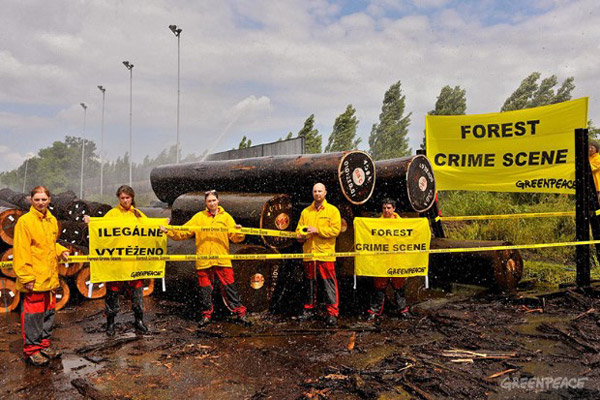
The Problem of Illegal Timber Trade
Timber is an ancient and widely used building material, but its demand has led to unsustainable logging practices and habitat destruction. The issue isn’t a lack of availability, but rather poor resource management and disregard for protected areas like primary forests. To address this problem, it’s essential that legitimate wood products don’t harm the reputation of law-abiding suppliers.
Why the EUTR Matters
Major industries, such as the American Hardwood Export Council (AHEC), support the EU’s commitment to implementing the EUTR. This regulation offers an opportunity for the timber industry to demonstrate its dedication to sustainable development. As David Venables, Director Europe of AHEC, stated, “The EUTR is a chance for the wood industry to show that it’s leading the way in developing a truly sustainable supply chain.”
Key Features of the EUTR
One of the EUTR’s strengths lies in its flexibility regarding demonstrating the legality of products. This approach avoids being overly burdensome on honest operators while not penalizing timber compared to other construction materials like cement and steel, which have no tracking requirements.
The regulation also avoids imposing new controls on suppliers from regions with effective legal frameworks. Instead, the EUTR focuses on verifying the efficiency of wood management systems in importing companies within the EU to reduce the risk of illicit trade.
What Does This Mean for Importers?
Under the EUTR, importers must be able to identify the country and sometimes region where wood products were harvested, along with any relevant authorization. Additional information can only be requested if an importer believes that there’s a higher risk of illicit logging in a particular area or concession.
Benefits of Sustainable Wood Sourcing
Sustainable wood sourcing is not only beneficial for the environment but also offers numerous economic and social benefits to companies that adopt these practices. By ensuring that timber products are harvested and traded responsibly, businesses can:
- Reduce their environmental footprint: Sustainable wood sourcing helps preserve forests and promote reforestation, which contributes to climate change mitigation efforts.
- Improve brand reputation: Companies that prioritize sustainable forestry practices can enhance their public image and build trust with customers who value responsible business practices.
- Enhance supply chain resilience: By diversifying suppliers and reducing dependence on a single source, businesses can mitigate risks associated with supply chain disruptions.
Implementation and Compliance
To implement the EUTR in your organization, follow these steps:
- Conduct an inventory audit: Ensure that all wood products are accurately tracked and recorded.
- Verify country of origin: Identify the country or region where each product was harvested.
- Request necessary documentation: Obtain any required authorizations or certifications from suppliers.
- Monitor supplier performance: Regularly review and assess the sustainability practices of your suppliers.
Challenges and Opportunities
While implementing the EUTR can be complex, it also presents opportunities for growth and innovation in the timber industry:
- New supply chain management tools: Technologies like blockchain and artificial intelligence can help streamline due diligence processes.
- Collaborative initiatives: Companies can work together to establish industry-wide standards and best practices.
- Market demand for certified products: Increasing consumer awareness of sustainable forestry practices can drive market demand for certified wood products.
Conclusion
The implementation of the EUTR represents a significant step forward for sustainable trade practices within the European timber industry. By promoting due diligence and reducing the risk of illicit timber imports, this regulation contributes to more responsible wood sourcing and environmental protection. By understanding the key features of the EUTR and implementing best practices in your organization, you can not only comply with regulatory requirements but also contribute to a more sustainable future for the timber industry.
Frequently Asked Questions
-
What is the EU Timber Regulation (EUTR)?
- The EUTR is a regulation that requires companies trading wood products in Europe to implement due diligence systems to reduce the risk of importing illicit timber.
-
Why does the EUTR matter for the timber industry?
-
The EUTR offers an opportunity for the timber industry to demonstrate its commitment to sustainable development and reduce the risk of illicit trade.
-
What are the key features of the EUTR?
-
The EUTR is flexible regarding demonstrating product legality, doesn’t impose new controls on suppliers from regions with effective legal frameworks, and focuses on verifying wood management system efficiency in importing companies within the EU to reduce the risk of illicit trade.
-
What are the implications for importers under the EUTR?
-
Importers must be able to identify the country and sometimes region where wood products were harvested along with any relevant authorization.
-
How can I benefit from implementing the EUTR in my business?
-
By adopting due diligence practices, you’ll not only reduce the risk of illicit timber imports but also contribute to more sustainable and environmentally responsible trade practices within your industry.
-
What are the benefits of sustainable wood sourcing?
- Sustainable wood sourcing contributes to environmental protection by preserving forests and promoting reforestation.
-
How can I ensure compliance with the EUTR in my business?
-
Consult with a professional or conduct thorough research to understand the requirements of the EUTR and how they apply to your specific operations.
-
What happens if I don’t comply with the EUTR regulations?
- Failure to comply can result in significant penalties, including fines and reputational damage.


