
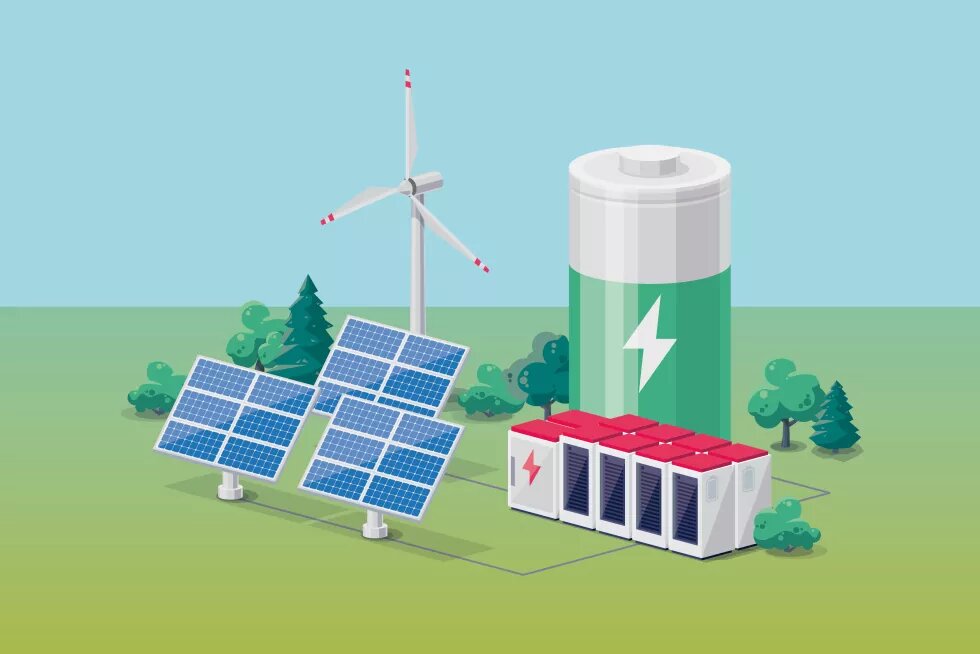
As the world grapples with the challenges of climate change and energy security, the European Union (EU) is taking steps towards a cleaner and more sustainable future. The EU aims to reach a system based entirely on renewable energy by 2050, but this goal is not achieved overnight. In fact, the journey will be long and winding, with several milestones along the way.
Setting the Stage: A New Report from the WWF
The World Wildlife Fund (WWF) has released a new report titled “Putting the EU on Track for 100% Renewable Energy,” which highlights the potential benefits of transitioning to renewable energy. The report focuses on the economic savings that can be achieved through reducing energy imports and promoting energy efficiency.
According to the report, transitioning to renewable energy could save the EU up to €573 billion in import costs by 2030. This is a significant economic benefit that will not only reduce greenhouse gas emissions but also create new jobs and stimulate economic growth.
Short-Term Goals: A Turning Point by 2020
The short-term goals set out by the European Commission aim to achieve a significant reduction in greenhouse gas emissions by 2020. While this is just the beginning, it marks an important turning point in the EU’s journey towards a more sustainable future.
In order to reach these short-term goals, the EU has implemented several policies and initiatives aimed at promoting renewable energy and reducing energy waste. These include tax incentives for businesses and households that invest in solar panels and wind turbines, as well as subsidies for renewable energy companies.
Long-Term Objectives: A Decisive Shift by 2030
The long-term objectives set out by the European Commission aim to achieve even greater reductions in greenhouse gas emissions by 2030. This will involve a decisive shift away from fossil fuels and towards renewable energy sources, with a goal of generating at least 40% of energy from renewables.
To achieve these long-term objectives, the EU has developed several strategies aimed at promoting the development of new renewable energy technologies, increasing energy efficiency, and reducing energy waste. These include investing in research and development for new renewable energy technologies, such as advanced solar panels and wind turbines, and implementing policies to promote energy efficiency, such as building insulation standards.
Economic Benefits: A Savings of €573 Billion
The WWF report estimates that transitioning to renewable energy could save the EU up to €573 billion in import costs by 2030. This is a significant economic benefit that will not only reduce greenhouse gas emissions but also create new jobs and stimulate economic growth.
In addition to saving on import costs, transitioning to renewable energy can also create new job opportunities in the clean energy sector. According to the European Commission, the clean energy sector could support up to 8 million jobs by 2030.
Reducing Emissions: A 50% Cut by 2030
The European Commission aims to reduce greenhouse gas emissions from energy production by at least 50% by 2030, compared to levels in 1990. This will involve a significant reduction in the use of fossil fuels and an increase in the use of renewable energy sources.
To achieve these emissions reductions, the EU has implemented several policies aimed at promoting the development of new renewable energy technologies and increasing energy efficiency. These include investing in research and development for new renewable energy technologies, such as advanced solar panels and wind turbines, and implementing policies to promote energy efficiency, such as building insulation standards.
Strategic Climate and Energy Plans: A Crucial Role
The strategic climate and energy plans set out by the European Commission will play a crucial role in achieving these goals. These plans aim to promote a low-carbon economy, reduce energy waste, and encourage the development of new renewable energy technologies.
The EU’s strategic climate and energy plans are based on several key principles, including reducing greenhouse gas emissions from energy production, increasing energy efficiency, and promoting the development of new renewable energy technologies.
A Green Economy: The Key to Recovery
In times of economic crisis, a green economy based on renewable energy and energy efficiency is the key to recovery. This approach can create new jobs, stimulate economic growth, and provide a more sustainable future for generations to come.
The European Commission has recognized the importance of promoting a green economy in its strategic climate and energy plans. The EU’s plan aims to promote a low-carbon economy by investing in research and development for new renewable energy technologies, increasing energy efficiency, and reducing energy waste.
Public Support: A Majority Backs Renewable Energy
A recent survey found that 70% of Europeans believe that investing in renewable energy should be a priority over the next 30 years. This level of public support is crucial for driving progress towards a low-carbon economy.
The EU’s commitment to promoting renewable energy and reducing greenhouse gas emissions has also been recognized internationally. The Paris Agreement, signed by nearly all countries in 2015, sets out a global goal to limit warming to well below 2°C above pre-industrial levels and pursue efforts to limit it to 1.5°C.
Conclusion
The European Union’s journey towards a 100% renewable energy system will not be easy, but it is essential for addressing climate change and ensuring a sustainable future. By setting clear goals, promoting strategic climate and energy plans, and investing in renewable energy technologies, the EU can achieve a cleaner, greener, and more prosperous future for all.
Frequently Asked Questions
- What is the European Union’s goal for renewable energy by 2050?
The EU aims to reach a system based entirely on renewable energy by 2050. - How much will transitioning to renewable energy save the EU in terms of import costs?
Transitioning to renewable energy could save the EU up to €573 billion in import costs by 2030. - What is the European Commission’s target for reducing greenhouse gas emissions from energy production by 2030?
The European Commission aims to reduce greenhouse gas emissions from energy production by at least 50% by 2030, compared to levels in 1990. - How much of Europe’s energy will come from renewable sources by 2030?
At least 40% of Europe’s energy will come from renewable sources by 2030. - What is the WWF report titled “Putting the EU on Track for 100% Renewable Energy” about?
The report highlights the potential benefits of transitioning to renewable energy and estimates that this can save the EU up to €573 billion in import costs by 2030. - How much will reducing greenhouse gas emissions from energy production contribute to overall emission reductions?
Reducing greenhouse gas emissions from energy production could contribute to a 50% reduction in total emissions compared to levels in 1990. - What is the role of strategic climate and energy plans in achieving EU goals?
Strategic climate and energy plans will play a crucial role in promoting a low-carbon economy, reducing energy waste, and encouraging the development of new renewable energy technologies. - How much support do Europeans have for investing in renewable energy?
70% of Europeans believe that investing in renewable energy should be a priority over the next 30 years.
Note: The text has been rewritten to make it more concise and accessible while maintaining the original content and meaning.


