
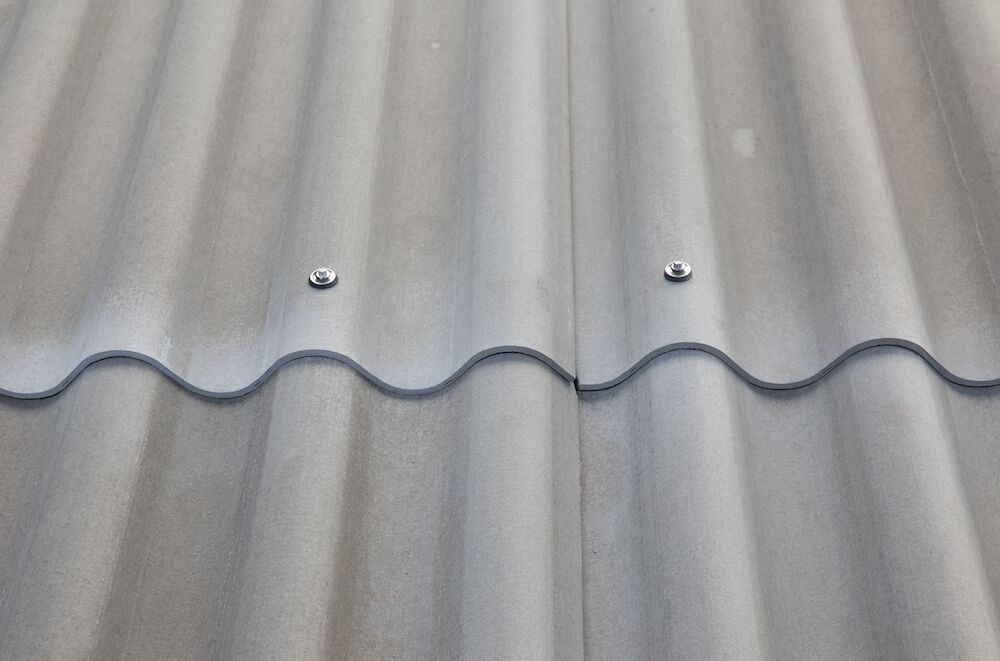
Eternit is a type of construction material that has been widely used in the past for roofing, chimneys, and other structures. However, its high content of asbestos has made it a hazardous substance for human health. It’s essential to know how to identify Eternit and take precautions to prevent exposure to asbestos.
What is Eternit?
Eternit is a mixture of asbestos fibers and cement. It was invented by Austrian engineer Ludwig Hatschek in 1901 and first used as a roofing material. In the 1960s and 1970s, Eternit became one of the most popular construction materials worldwide.
However, concerns about its safety arose due to the high levels of asbestos it contains. In 1999, the production and sale of Eternit were banned in many countries, including Italy. Despite this ban, Eternit remains a common problem for homeowners and builders who have existing structures made from this material.
Identifying Eternit
Eternit can be identified through several methods:
- Visual Inspection: Look for a characteristic fibrous texture and graining pattern on the surface. The material typically has a rough, uneven appearance with prominent fibers.
- Location: Eternit was commonly used in roofing, chimneys, and other structures. It may be found in areas such as:
- Roofs
- Chimneys
- Cornices
- Wall linings
- Chemical Analysis: A laboratory test is necessary to confirm the presence of asbestos. This should only be done by a qualified professional with experience in asbestos analysis.
Risks to Health
Eternit contains high levels of asbestos, which can cause serious health problems, including:
- Cancer: Asbestos exposure has been linked to an increased risk of developing lung cancer and other types of cancer.
- Respiratory diseases (e.g., asbestosis): Inhaling asbestos fibers can lead to chronic inflammation and scarring in the lungs, making it difficult to breathe.
- Mesothelioma: This is a rare but aggressive form of cancer that affects the lining of the lungs, abdomen, or heart.
It’s crucial to handle Eternit with caution and seek professional assistance when removing it to prevent exposure to asbestos. Even small amounts of disturbed Eternit can release hazardous fibers into the air, posing a risk to anyone nearby.
Regulations and Disposal
Italian legislation regarding asbestos is strict. The 1992 decree prohibits the use of Eternit in new construction projects, while the 2019 decree regulates its disposal.
Procedures for removal and disposal must be carried out by trained professionals, who wear protective gear to minimize exposure to asbestos fibers. This may include:
- Respiratory masks
- Gloves
- Protective suits
- Eye protection
Alternatives to Eternit
Several alternatives to Eternit have been developed, offering safer and more sustainable options:
- Ceramic Tiles: Ceramic tiles are a popular alternative to Eternit due to their fire resistance, durability, and aesthetic appeal.
- Metal Roofs: Metal roofs provide excellent protection against weathering and can be designed to suit modern architectural styles.
- Asbestos-Free Fibrocement: Fibrocement materials without asbestos offer similar strength and durability to traditional fibrocement while ensuring a safer working environment.
Choosing the Right Alternative
When selecting an alternative to Eternit, consider factors such as:
- Durability: How well will the material withstand weathering and wear?
- Fire resistance: Is the material resistant to fire and heat damage?
- Aesthetic appeal: Does the material complement your architectural style?
- Cost: What is the cost of installation and maintenance?
Best Practices for Removing Eternit
If you need to remove Eternit, follow these best practices:
- Hire a licensed professional: Only hire a contractor with experience in asbestos removal.
- Wear protective gear: Ensure all personnel involved in the removal process wear appropriate protective gear.
- Follow regulations: Adhere to local regulations and guidelines for asbestos removal.
- Test for asbestos: Before starting the removal process, have a sample of the material tested for asbestos.
Conclusion
Eternit poses significant health risks due to its high content of asbestos. Identifying Eternit and taking precautions against exposure are essential for maintaining a healthy work environment. By understanding the regulations and disposal requirements, individuals can ensure safe removal and disposal of this hazardous material.
Frequently Asked Questions (FAQs)
- What is the safest way to remove Eternit?
- Hire a licensed professional with experience in asbestos removal.
- Can I use a DIY kit to remove Eternit?
- No, it’s not recommended, as improper handling can lead to exposure and health risks.
- How long does it take to dispose of Eternit?
- Disposal times vary depending on local regulations and the quantity of material being removed.
- What are the benefits of using asbestos-free fibrocement materials?
- They provide a safer working environment, similar strength and durability to traditional fibrocement, and comply with current safety standards.
- Are ceramic tiles suitable for all roofing applications?
- No, they may not be suitable for areas exposed to high winds or heavy rainfall; consult an expert before selecting a tile material.
By understanding the risks associated with Eternit and taking necessary precautions, individuals can ensure a healthier and safer work environment. Regular maintenance and inspections can help prevent exposure to asbestos and reduce the risk of health problems.


