
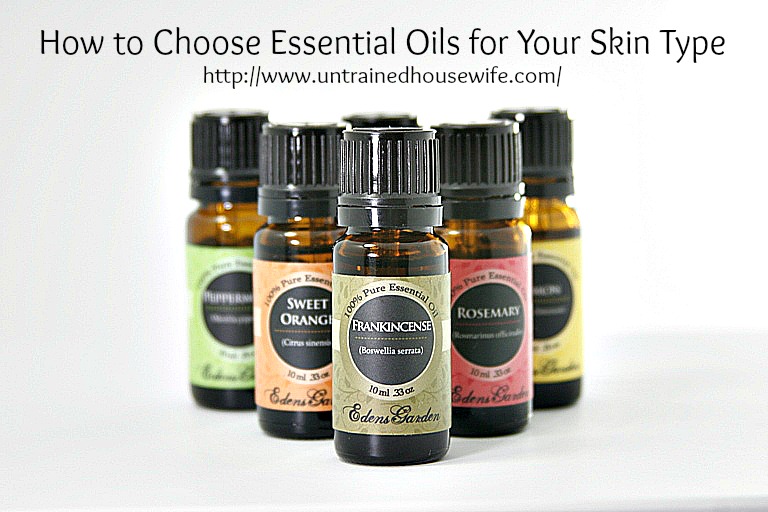
As natural beauty enthusiasts, we’re always on the lookout for effective and gentle solutions to achieve healthy, glowing skin. Essential oils have been gaining popularity in recent years due to their numerous benefits for the skin. But with so many options available, it can be overwhelming to choose the right one.
In this article, we’ll delve into the world of essential oils for skin care, exploring their properties, uses, and benefits. We’ll also provide you with a list of recommended oils, along with tips on how to use them safely and effectively.
The Benefits of Essential Oils for Skin
Essential oils have been scientifically proven to possess antimicrobial, antifungal, anti-inflammatory, and antioxidant properties, making them valuable allies in skin care treatments. Unlike synthetic chemicals, essential oils are entirely natural and free from harsh toxins, making them a safer choice for sensitive skin.
When used correctly, essential oils can help:
- Soothe acne, redness, and inflammation
- Improve skin elasticity and firmness
- Reduce fine lines and wrinkles
- Treat skin conditions like eczema and psoriasis
- Hydrate and nourish the skin
Choosing the Right Essential Oil for Your Skin Type
With so many essential oils available, it’s crucial to select the ones that suit your skin type and concerns. Here are some of the most popular essential oils for skin care, along with their benefits:
1. Lavender Oil
Known for its calming effects, lavender oil can help reduce inflammation, promote relaxation, and improve sleep quality.
- Benefits: Soothes acne, redness, and inflammation
- Uses: Apply topically to calm irritated skin or use in a carrier oil blend
2. Tea Tree Oil
This antimicrobial oil is excellent for treating acne, minor cuts, and scrapes.
- Benefits: Fights acne, reduces inflammation, and promotes healing
- Uses: Mix with a carrier oil or add to your favorite skincare products
3. Rosemary Oil
Boosts circulation, improves skin tone, and reduces dandruff when used topically.
- Benefits: Improves circulation, reduces dandruff, and promotes healthy hair growth
- Uses: Apply to the scalp or use in a carrier oil blend for the face and body
4. Geranium Oil
Balances hormones, reduces acne, and improves skin elasticity.
- Benefits: Regulates hormones, reduces acne, and improves skin elasticity
- Uses: Mix with a carrier oil or add to your favorite skincare products
5. Argan Oil
Rich in antioxidants, argan oil nourishes and moisturizes the skin, promoting healthy aging.
- Benefits: Hydrates, nourishes, and protects the skin from environmental stressors
- Uses: Apply topically to dry skin or use as a face mask
Using Essential Oils Safely and Effectively
When working with essential oils, it’s crucial to follow some basic guidelines:
- Always dilute essential oils in a carrier oil before applying them to the skin.
- Use high-quality, pure essential oils that are safe for your skin type.
- Start with small amounts and gradually increase as needed.
- Perform a patch test on a small area of skin before using a new essential oil.
The Importance of Carrier Oils
Carrier oils are essential in blending essential oils with the skin. They help to dilute the potency of the essential oil, making it safer for use on the skin. Some popular carrier oils include:
- Jojoba oil: Excellent for acne-prone skin
- Coconut oil: Rich in antioxidants and fatty acids
- Sweet almond oil: Moisturizing and nourishing for dry skin
Blending Essential Oils
Blending essential oils can enhance their benefits and create unique skincare routines. Here are some popular blends:
- Acne-fighting blend: Tea tree oil, lavender oil, and lemon oil
- Anti-aging blend: Geranium oil, rosemary oil, and argan oil
- Hydrating blend: Argan oil, coconut oil, and sweet almond oil
Top Essential Oils for Specific Skin Concerns
Here are some top essential oils for specific skin concerns:
- Acne: Tea tree oil, lavender oil, and lemon oil
- Dry skin: Argan oil, coconut oil, and shea butter
- Sensitive skin: Lavender oil, chamomile oil, and calendula oil
- Anti-aging: Geranium oil, rosemary oil, and frankincense oil
Where to Buy High-Quality Essential Oils
You can find high-quality essential oils at:
- Local health food stores
- Specialty skincare shops
- Online marketplaces like Amazon or Etsy
- Aromatherapy suppliers
Tips for Using Essential Oils
Here are some tips for using essential oils safely and effectively:
- Always read the label and follow the instructions.
- Start with small amounts and gradually increase as needed.
- Perform a patch test on a small area of skin before using a new essential oil.
- Use high-quality, pure essential oils that are safe for your skin type.
- Keep essential oils away from children and pets.
Conclusion
Essential oils are a powerful tool for achieving healthy, glowing skin. By choosing the right oils and using them safely and effectively, you can unlock their full potential and enjoy radiant, youthful-looking skin.
Stay tuned for more expert tips and advice on natural beauty and skincare!
Frequently Asked Questions (FAQs)
Q: Can I use essential oils directly on my skin?
A: No, it’s recommended to dilute essential oils in a carrier oil before applying them to the skin.
Q: How often should I use essential oils for skin care?
A: Start with once or twice a week and gradually increase as needed.
Q: What are some popular essential oils for acne-prone skin?
A: Lavender, tea tree, and lemon oils are excellent choices for reducing inflammation and promoting healing.
Q: Can essential oils be used on sensitive skin?
A: Yes, but it’s recommended to start with small amounts and perform a patch test before using new essential oils.
Q: How do I choose the right carrier oil for my essential oils?
A: Choose a carrier oil that complements the benefits of your essential oil. For example, jojoba oil is excellent for acne-prone skin.
Q: Can essential oils be used in combination with other skincare products?
A: Yes, but always dilute essential oils in a carrier oil and use them in moderation to avoid overpowering your skin.
Q: Are there any essential oils that are not safe for my skin type?
A: Some essential oils, like peppermint and cinnamon, can be irritating to sensitive skin. Always do a patch test before using new essential oils.
Q: How long does it take to see the benefits of essential oils on my skin?
A: Results may vary depending on individual skin types and concerns. Be patient and consistent with your usage for optimal results.
Q: Can I use essential oils on children or pets?
A: No, essential oils are not safe for children or pets. Always follow safety guidelines and consult a healthcare professional before using essential oils.
Q: How do I store essential oils?
A: Store essential oils in a cool, dark place away from direct sunlight and heat sources.
Q: Can I use essential oils during pregnancy or breastfeeding?
A: Consult a healthcare professional before using essential oils during pregnancy or breastfeeding. Some essential oils may not be safe for pregnant women or breastfeeding mothers.


