
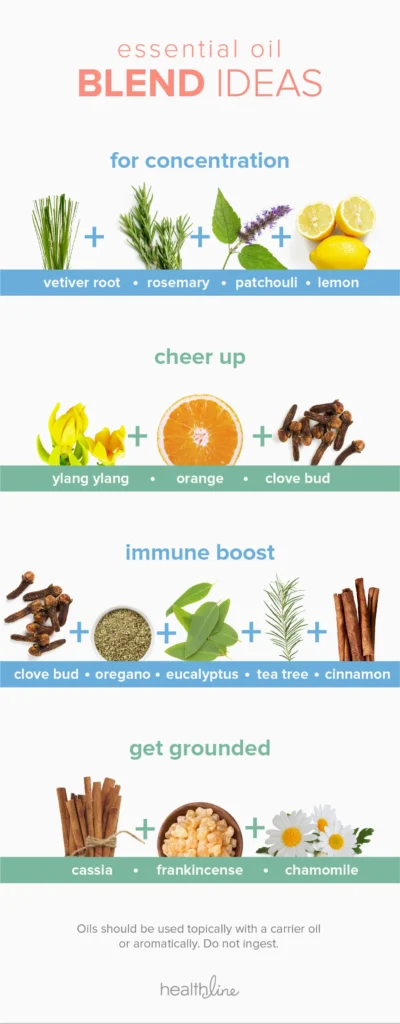
Understanding the Basics of Essential Oils
Essential oils are volatile extracts derived from aromatic plants. They have various applications in the cosmetics industry, aromatherapy, pharmaceuticals, food, perfumes for the body and environment.
What Are Essential Oils?
Essential oils are hydrophobic substances with a strong aroma, obtained through either steam distillation of citrus peels or other plant materials. When referring to essential oils from citrus fruits, the correct term is “essence.”
In terms of chemistry, essential oils are complex and heterogeneous mixtures of volatile compounds, predominantly composed of terpenoids and minor amounts of aromatic derivatives derived from phenylalanine or mixed compounds like timol and carvacrol.
Non-Volatile Compounds in Essential Oils
Essential oils contain non-volatile compounds such as furanocoumarins, responsible for photosensitization effects.
Hydrophobic Properties of Essential Oils
The term “hydrophobic” means that essential oils are soluble in alcohols or oils but not in water.
Uses and Benefits of Essential Oils
Essential oils have diverse applications across various industries. They are used to naturally fragrance homes, offices, and environments, in aromatherapy, for DIY cosmetics preparation, hair care, skin care, producing perfumes, or as repellents against mosquitoes, flies, and other parasites.
Properties of Essential Oils
The properties of essential oils depend on their specific components and interactions. Many essential oils possess medicinal properties still used in traditional Asian medicine (e.g., Ayurveda).
Examples of Medicinal Properties:
- Clove oil is considered a potent analgesic, particularly effective against toothache pain.
- Lavender essential oil is widely used in aromatherapy as an antimicrobial agent and for various medical applications.
- Tea tree oil (Melaleuca alternifolia) is considered a broad-spectrum antimicrobial agent.
Benefits of Essential Oils
The benefits of using essential oils include natural pain relief, stress reduction, improved skin health, and overall well-being. Some of the most popular uses for essential oils include:
- Relieving Stress: Lavender oil can help promote relaxation, reduce anxiety and stress.
- Skin Care: Tea tree oil has antimicrobial properties that can help soothe and treat acne-prone skin, as well as other skin issues such as minor cuts and scrapes.
- Pain Relief: Essential oils like peppermint, eucalyptus, and wintergreen can be used topically to reduce pain in the muscles and joints.
Risks Associated with Essential Oils
While essential oils are generally considered safe when used properly, there are also some risks associated with their use. Some of these risks include:
- Skin Irritation: Essential oils can cause skin irritation if not used correctly.
- Allergic Reactions: Some people may be allergic to certain essential oils, which can cause severe reactions such as hives and itching.
- Phototoxicity: Certain essential oils can cause phototoxic effects, which means that exposure to sunlight can cause adverse reactions.
Aromatherapy and Essential Oils
Aromatherapy is an alternative form of medicine where aromatic substances have significant importance. The choice of essential oil used should have a particular effect desired, and it also depends on the quality of the oil and dosage.
Glossary Terms:
- Timol: A compound that can help protect the eyes from damage.
- Carvacrol: An antibacterial agent that has been shown to be effective against certain types of bacteria.
- Photosensitization: The increased risk of sunburn caused by exposure to certain chemicals or substances, such as furanocoumarins in essential oils.
Safety Precautions:
Essential oils should not be used without proper supervision. Women who are pregnant, elderly people, and children under three years old may experience adverse effects from using essential oils. Some oils are harmful when ingested, so they must not be taken orally without consulting a healthcare professional. Always perform a patch test before applying any new oil to ensure there are no allergic reactions.
Caution with Photosensitization:
When using some essential oils in aromatherapy, it is crucial to avoid direct exposure to sunlight after their use. This can help prevent skin irritation and other adverse effects.
Pregnancy and Essential Oils: Risks and Precautions
Using essential oils during pregnancy may pose certain health risks. Always consult a healthcare professional before using them.
Precautions for Pregnant Women
- Avoid ingesting essential oils without medical supervision.
-
Use diluted versions of the oil (in carrier oils like coconut or olive oil) to minimize skin irritation.
Caution with Essential Oils and Allergies: Testing Before Using
Always test a new oil on a small area of skin before applying it widely. If you experience any adverse effects, discontinue use immediately.
Safety Tips for Children and Babies
Babies under three years old should not be exposed to essential oils without adult supervision. Be cautious when using certain oils that can cause photosensitization or other adverse reactions.
**Caution with Essential Oils and Photosensitivity: Use Sunscreens When Necessary**
If you experience any adverse effects after using an essential oil, consult a healthcare professional immediately.
Q\&A Section
- What are the benefits of using essential oils?
- Are there any risks associated with using essential oils?
-
How should I choose the right essential oil for my needs?
- Essential oils can help relieve stress and anxiety.
- Risks of using essential oils include skin irritation, allergic reactions, and interactions with medications.
- The best way to choose an essential oil is by consulting a healthcare professional or researching specific benefits.
Conclusion
Essential oils are natural, versatile substances used in various applications across different industries. Their safety and effectiveness can be understood through careful research, proper usage, and consultation with professionals when necessary.


