
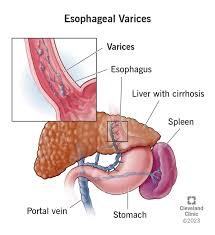
Are you aware of the dangers of esophageal varices? Also known as varices, these swollen veins in the esophagus can cause serious health complications if left untreated. In this article, we will explore the causes, symptoms, treatment options, and prevention strategies for esophageal varices.
What are Esophageal Varices?
Esophageal varices are caused by the dilation of inferior esophageal veins due to increased venous pressure. The risk is high that these varices can rupture and bleed, leading to severe health complications. The most common causes of esophageal varices are chronic liver diseases and, less frequently, splenic issues.
Chronic liver disease is often caused by liver cirrhosis, which can be the result of years of excessive alcohol consumption, viral infections, or genetic disorders. Liver cirrhosis leads to scarring and inflammation in the liver, causing blood vessels to become enlarged and fragile. This condition puts additional pressure on the veins in the esophagus, leading to their dilation and formation of varices.
Symptoms of Esophageal Varices
Many people with esophageal varices do not experience any symptoms, but when they do occur, they can be confusing and similar to other, less severe conditions. The most common symptoms include:
- Black stools (melena): caused by the presence of blood in the stool
- Sudden intestinal bleeding (hematemesis): characterized by vomiting blood or blood clots
- Dizziness: caused by sudden drops in blood pressure
- Fainting: can occur if blood loss is severe
It’s essential to note that these symptoms should not be ignored. Even if you don’t have varices, these conditions can still lead to serious health complications.
In addition to the symptoms mentioned above, some people with esophageal varices may experience:
- Abdominal pain: caused by bleeding or inflammation
- Nausea and vomiting: can occur due to blood in the stomach or small intestine
- Weight loss: can result from malabsorption of nutrients
- Fatigue: can be a sign of anemia or other complications
Diagnosis and Treatment of Esophageal Varices
The diagnosis of esophageal varices involves an endoscopy, a procedure where a tube with a camera is inserted through the mouth to visualize the esophagus, stomach, and duodenum. Based on the severity of the condition, treatment options may include:
- Pharmacological treatment: medications are prescribed to reduce venous pressure
- Beta-blockers: used to decrease blood flow to the liver
- Non-selective beta-blockers: used to slow down the heart rate and lower blood pressure
- Propranolol: a beta-blocker that is often used to treat varices
- Endoscopic ligation: rubber bands or clips are applied to the varices to help them disappear
- Sclerotherapy: a solution is injected into the veins to cause them to shrink
- Shunt surgery: surgical procedures are performed to decompress the liver and redirect blood flow
- TIPS (Transjugular Intrahepatic Portosystemic Shunt): a minimally invasive procedure that creates a shunt between the hepatic vein and the portal vein
- Hemorrhoidal ligation: a type of endoscopic surgery that involves clipping or ligating the varices
- Transplantation: in severe cases, a liver transplant may be necessary
It’s crucial to note that any treatment plan should be discussed with a healthcare professional, as potential side effects include dizziness, diarrhea, nausea, etc. Regular follow-up appointments will help determine which treatment option is best for your specific case.
Who is at Risk?
Individuals with chronic liver diseases or those who have experienced thrombosis are more likely to develop esophageal varices. Maintaining a healthy lifestyle and eating a balanced diet can significantly reduce the risk of developing these conditions.
Some groups of people are at higher risk for developing esophageal varices, including:
- People with cirrhosis: due to scarring and inflammation in the liver
- Individuals with portal hypertension: characterized by high blood pressure in the portal vein
- Patients with liver cancer: can lead to liver failure and increased venous pressure
- Those with hemophilia or thrombocytopenia: bleeding disorders that increase the risk of varices
Prevention Strategies
To prevent esophageal varices, follow these simple guidelines:
- Maintain a healthy weight: excess weight can put additional strain on the liver and lead to portal hypertension
- Do not smoke: smoking increases the risk of liver disease and other health complications
- Avoid substance abuse: excessive alcohol consumption is a major risk factor for liver disease
- Engage in regular physical activity: helps maintain overall health and reduces the risk of chronic diseases
- Reduce medication use if unnecessary (e.g., pain relievers): NSAIDs can increase the risk of bleeding disorders
- Avoid dietary supplements unless medically necessary: some supplements, such as vitamin A, can be toxic to the liver
- Follow a balanced diet: eat foods rich in fiber and antioxidants to help reduce inflammation and oxidative stress
- Avoid excessive alcohol consumption: limiting alcohol intake can reduce the risk of liver disease
- Limit sodium intake: high blood pressure is a common complication of cirrhosis and portal hypertension
- Consume low-glycemic index foods rich in fiber: helps regulate blood sugar levels and reduces the risk of diabetes
Important Recommendations
If you experience any symptoms such as black stools, dizziness, or vomiting blood, seek medical attention immediately. Delaying treatment can lead to severe complications, including death. Furthermore, if you have large varices that are at risk of rupture, do not underestimate the severity of your condition.
In addition to seeking medical attention when necessary, there are steps you can take to reduce your risk of developing esophageal varices:
- Regular health check-ups: maintaining a healthy weight, monitoring blood pressure and liver function
- Avoiding substance abuse: reducing the risk of liver disease and other health complications
- Maintaining a balanced diet: eating foods rich in fiber, antioxidants, and omega-3 fatty acids
- Engaging in regular physical activity: reducing the risk of chronic diseases and maintaining overall health
In conclusion, esophageal varices are a serious health concern that requires prompt attention. By understanding the causes, symptoms, and treatment options for this condition, individuals can take steps to prevent its development or seek medical help if they experience any symptoms. Remember, prevention is key, and taking proactive steps can reduce your risk of developing esophageal varices.


