
Have you ever felt like turning bright red in front of an audience or in a situation that makes you feel uncomfortable? We’ve all been there at some point, but for those who experience it regularly, the embarrassment and anxiety can be overwhelming. This phenomenon is known as eritrophobia, a fear of blushing that can affect anyone.
What is Eritrophobia?
The term “eritrophobia” comes from the Greek word “erithros,” meaning red or blush. It’s not just about being self-conscious about one’s skin tone; it’s a legitimate psychological condition that involves an intense fear of blushing in public, which can lead to feelings of inadequacy and low self-esteem.
Eritrophobia is often misunderstood as a simple case of shyness or embarrassment. However, this phobia is a complex condition that requires professional attention. Individuals with eritrophobia may experience anxiety and stress in various situations, such as social gatherings, job interviews, or even everyday interactions with strangers.
Symptoms of Eritrophobia
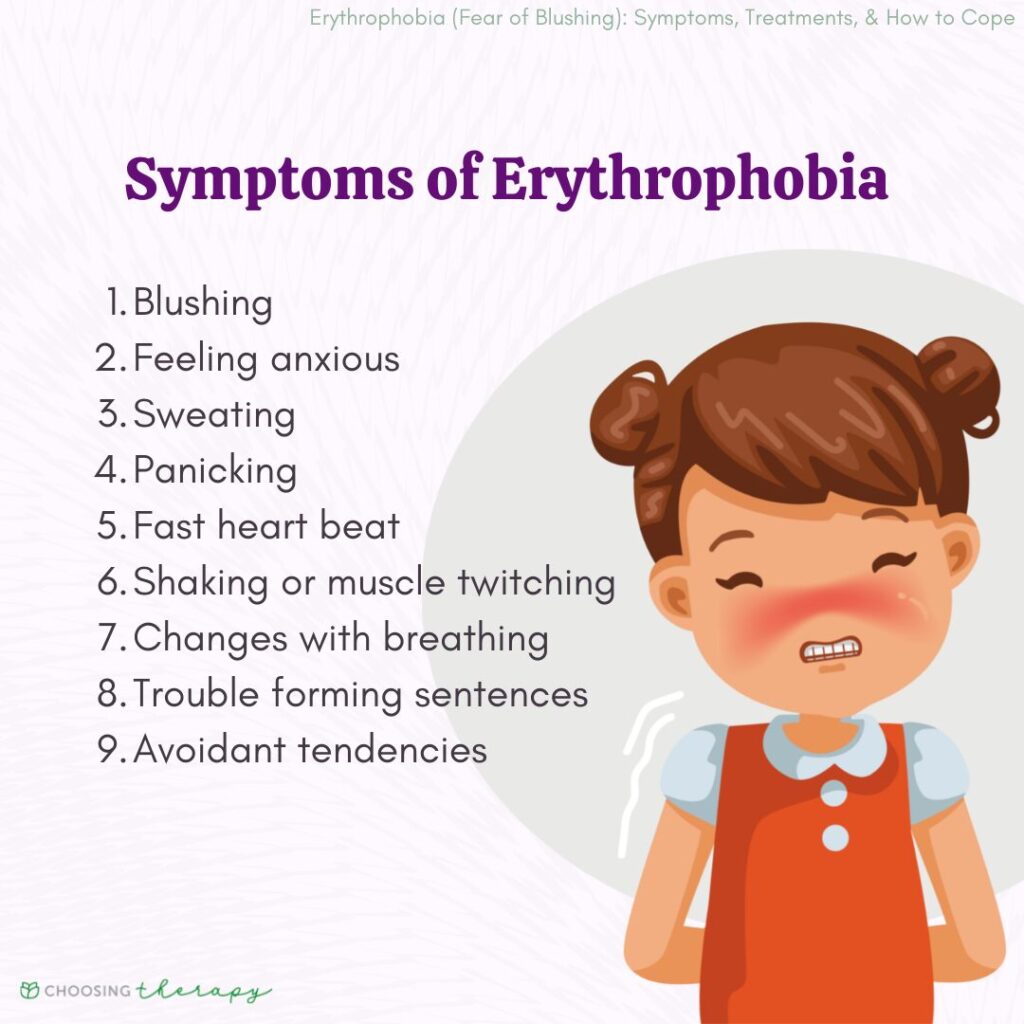
When someone with eritrophobia experiences anxiety or stress, their body responds by releasing hormones that cause blood vessels to dilate, resulting in a blush. The flush can be so intense that it’s almost impossible to control. People with eritrophobia may also experience other symptoms such as:
• Tachycardia (rapid heartbeat)
• Decreased salivation
• Feelings of dread or anxiety
In addition to these physical symptoms, individuals with eritrophobia may also exhibit behavioral patterns such as avoidance of social situations or excessive self-blame. They may also experience feelings of shame and embarrassment about their own body and its reaction to stress.
How Does Eritrophobia Affect Daily Life?
Eritrophobia can be a significant obstacle in social and professional settings. Imagine feeling like you’re on the verge of having an outburst every time someone compliments you or asks for your opinion. It’s not just about being embarrassed; it’s about feeling like you’re losing control.
Individuals with eritrophobia may avoid social situations, such as parties, gatherings, or meetings, due to fear of blushing and subsequent embarrassment. They may also struggle with job interviews, presentations, or other public speaking engagements, fearing that their body will react in an embarrassing way.
Understanding the Origins of Eritrophobia
While there’s no single cause for eritrophobia, research suggests that it may be linked to:
• Timidity and shyness: Individuals who are naturally introverted or shy may be more prone to developing eritrophobia.
• Low self-esteem: Negative self-talk, criticism, and low self-worth can contribute to the development of eritrophobia.
• Difficulty expressing emotions: People who struggle with emotional regulation may find it challenging to manage their anxiety in social situations.
How Can You Overcome Eritrophobia?
The first step towards overcoming eritrophobia is acknowledging that you have a problem. Recognizing the symptoms and accepting your feelings can help you take control of your anxiety.
Here are some steps you can take to overcome eritrophobia:
- Seek professional help: Consult with a therapist or counselor who specializes in anxiety disorders.
- Practice relaxation techniques: Learn relaxation methods such as deep breathing, progressive muscle relaxation, or visualization to manage stress and anxiety.
- Gradual exposure: Gradually expose yourself to social situations that trigger your anxiety, starting with small steps such as meeting a friend for coffee.
- Build self-esteem: Focus on positive affirmations, practice self-care, and engage in activities that boost your confidence.
Therapy and Treatment Options
There are various treatment options available for eritrophobia, including:
• Cognitive-behavioral therapy (CBT): A type of psychotherapy that helps individuals identify and change negative thought patterns and behaviors.
• Exposure therapy: A form of therapy that involves gradually exposing yourself to situations that trigger your anxiety in a controlled environment.
• Medication: Antidepressants or anti-anxiety medications may be prescribed to manage symptoms of anxiety and depression associated with eritrophobia.
Conclusion
Eritrophobia may seem like a minor issue, but it can have a significant impact on daily life. By understanding the causes and symptoms of this condition, individuals can begin to take steps towards overcoming their fear.
With the right treatment and support, it is possible to manage and eventually overcome eritrophobia. Remember that you are not alone in your struggles, and there are resources available to help you.
Frequently Asked Questions
- Q: Can I really overcome eritrophobia?
A: Yes, with the right treatment and support, it is possible to manage and eventually overcome eritrophobia. - Q: Is eritrophobia a sign of low self-esteem?
A: While there may be a correlation between the two, eritrophobia is a legitimate psychological condition that requires professional help. - Q: Can I treat eritrophobia on my own?
A: No, while some self-help techniques may provide temporary relief, it’s essential to work with a mental health professional for effective treatment. - Q: How common is eritrophobia?
A: It’s estimated that approximately 1 in 100 people experience some form of social anxiety disorder, which can include eritrophobia. - Q: Can eritrophobia be treated with medication?
A: Yes, certain medications may help alleviate symptoms of anxiety and depression associated with eritrophobia. - Q: How long does it take to overcome eritrophobia?
A: Recovery time varies depending on the individual and the severity of their condition, but with consistent treatment and practice, significant progress can be made over time. - Q: Is there a specific book or resource that can help me understand and treat eritrophobia?
A: There are several books available that offer insight into social anxiety disorders, including “Liberi dalla timidezza e dalla fobia sociale” (Free from Shyness and Social Phobia). - Q: Can I find support groups or online communities for people with eritrophobia?
A: Yes, there are various online forums and support groups where individuals can connect with others who share similar experiences and receive guidance and encouragement.
By seeking help, practicing relaxation techniques, and building self-esteem, individuals with eritrophobia can learn to manage their anxiety and overcome their fear. Remember that you are not alone in your struggles, and there is hope for a brighter future without the grip of eritrophobia holding you back.


