
The Magic of Epsom Salt: Unlocking its Properties and Uses
What is Epsom Salt? Understanding the Structure and History of this Natural Remedy
Epsom salt, also known as magnesium sulfate, is a natural mineral that has been used for centuries to treat various health issues. But what exactly is it, and how does it work?
To answer these questions, we need to delve into the history and chemistry of Epsom salt.
The Discovery of Epsom Salt
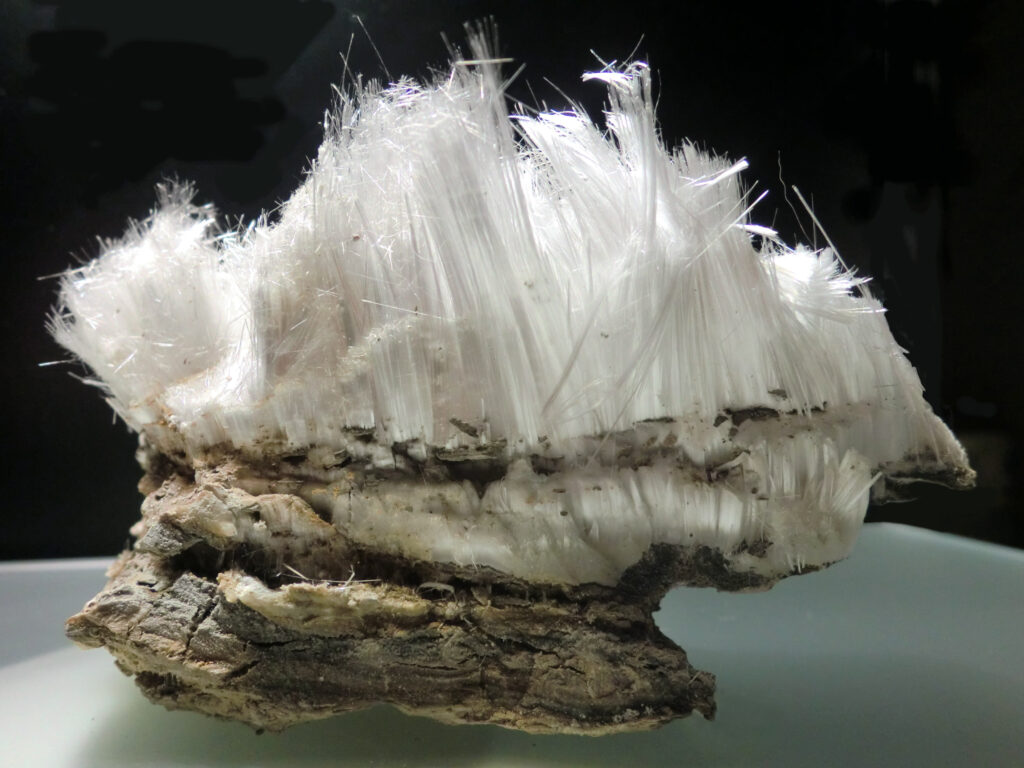
Epsom salt was first discovered by French geologist Francois Sulpice Beudant in 1824. Beudant observed a crystalline structure that would later become known as Epsomite, which is a type of magnesium sulfate mineral.
What is Magnesium Sulfate?
Magnesium sulfate is an inorganic compound composed of magnesium, sulfur, and oxygen atoms. Its chemical formula is MgSO4, and it exists in two forms: epsomite (MgSO4 · 7 H2O) and kieserite (MgSO4 · H2O).
The Importance of Magnesium Sulfate
Magnesium sulfate is an essential mineral that plays a crucial role in many bodily functions. It helps regulate muscle and nerve function, supports bone health, and is involved in the production of ATP, the energy currency of our bodies.
Epsom Salt in Italy
Despite its name, Epsom salt is not exclusive to the UK’s Epsom town. There are numerous deposits of magnesium sulfate found in various regions, including Italy. In fact, Italy is home to several notable deposits, particularly in the Dolomite region and along the coast of Liguria.
The Uses of Magnesium Sulfate
Epsom salt has been used for centuries as a natural remedy for various health issues. Some of its uses include:
- Relieving muscle cramps: Soaking in an Epsom salt bath can help relax muscles and relieve cramp pain.
- Reducing inflammation: Magnesium sulfate has anti-inflammatory properties, which can be beneficial for treating conditions like arthritis.
- Improving sleep: A warm bath before bed can promote relaxation and improve sleep quality.
Industrial Applications
In addition to its medicinal uses, magnesium sulfate is also used in various industrial applications:
- Manufacturing of paper: Magnesium sulfate is a key ingredient in the production of paper and cardboard.
- Textile manufacturing: It is used as a mordant in the dyeing process for textiles.
Conclusion
Epsom salt is a natural mineral that has been used for centuries to treat various health issues. Its importance lies in its ability to regulate muscle and nerve function, support bone health, and produce ATP. Whether you’re looking to relieve muscle cramps or improve your sleep quality, Epsom salt is definitely worth considering.
Frequently Asked Questions
- What is the difference between Epsom salt and magnesium sulfate?
- While often used interchangeably, “Epsom salt” typically refers specifically to the mineral epsomite (MgSO4 · 7 H2O), whereas “magnesium sulfate” encompasses both epsomite and kieserite.
- Can I take Epsom salt internally?
- While it is not recommended to ingest large quantities of Epsom salt, small amounts can be taken under medical supervision for specific health conditions.
- Is Epsom salt safe for use during pregnancy?
- As with any new supplement or treatment, pregnant women should consult their healthcare provider before using Epsom salt.
The Benefits and Risks of Using the Natural Mineral
Is Epsom Salt Safe to Use? Understanding the Potential Risks and Benefits
In recent years, Epsom salt has gained popularity as a natural remedy for various health issues. However, like any substance, it can have risks associated with its use.
The Benefits of Epsom Salt: What You Need to Know
Before we dive into the potential risks, let’s explore some of the benefits of using Epsom salt:
- Relaxation and stress relief: Soaking in an Epsom salt bath can promote relaxation, reduce muscle tension, and alleviate stress.
- Improved sleep: Taking a warm Epsom salt bath before bed can help regulate sleep patterns and improve the quality of your rest.
- Pain relief: Epsom salt’s anti-inflammatory properties may provide relief for conditions like arthritis and other joint-related pain.
Potential Risks Associated with Epsom Salt: What You Need to Be Aware Of
While generally considered safe, there are some potential risks to be aware of when using Epsom salt:
- Over-salting: Using excessive amounts of Epsom salt can lead to an imbalance of electrolytes in the body, potentially causing more harm than good.
- Interactions with medications: Magnesium sulfate, a key component of Epsom salt, may interact with certain medications, such as blood thinners and antibiotics.
- Allergic reactions: Some individuals may experience allergic reactions to Epsom salt, including skin irritation and respiratory issues.
Who Should Avoid Using Epsom Salt?
Certain groups of people should exercise caution when using Epsom salt or consult with their healthcare provider before doing so:
- Pregnant women
- Breastfeeding mothers
- Individuals with kidney disease or other kidney-related conditions
- People with severe heart failure
Conclusion: Using Epsom Salt Safely
While Epsom salt can be a valuable addition to your natural health routine, it’s essential to approach its use with caution. By understanding the potential risks and benefits, you can make informed decisions about incorporating Epsom salt into your lifestyle.
Frequently Asked Questions
- Can I use Epsom salt if I have high blood pressure?
- Consult with your healthcare provider before using Epsom salt, as it may interact with certain medications or worsen underlying health conditions.
- Is Epsom salt safe for people with diabetes?
- As with any new supplement or treatment, consult with your healthcare provider before using Epsom salt, especially if you have diabetes.
The Unique Chemical and Physical Properties of Epsomite
The Fascinating World of Epsomite: Uncovering its Unique Chemical and Physical Properties
Epsomite is a fascinating mineral that has garnered significant attention in recent years due to its unique properties. In this article, we’ll delve into the world of epsomite, exploring its chemical composition, crystal structure, and potential applications.
What is Epsomite? A Brief Introduction
Epsomite is a type of magnesium sulfate mineral, specifically a form of magnesium chloride dihydrate (MgCl2·2H2O). It’s named after the town of Epsom in Surrey, England, where it was first discovered in 1829.
Chemical Composition and Crystal Structure
Epsomite has a distinct chemical composition that sets it apart from other minerals. Its crystal structure is characterized by a hexagonal lattice arrangement, which provides exceptional stability and durability.
Unique Properties of Epsomite
Several properties make epsomite an attractive material for various applications:
- High thermal conductivity: Epsomite exhibits high thermal conductivity, making it suitable for use in thermal management systems.
- Chemical resistance: Its chemical resistance to a wide range of substances makes it an ideal choice for industrial applications.
- Piezoelectric properties: Epsomite demonstrates piezoelectric behavior, meaning it generates an electric charge in response to mechanical stress.
Potential Applications of Epsomite
Epsomite’s unique combination of properties makes it suitable for various industries:
- Thermal management systems: Its high thermal conductivity and stability make it a popular choice for heat sinks and thermal interfaces.
- Industrial applications: Epsomite’s chemical resistance, durability, and piezoelectric properties render it an attractive material for industrial applications.
- Aerospace and defense: The mineral’s unique properties and exceptional performance characteristics make it suitable for use in aerospace and defense applications.
Conclusion: Unveiling the Secrets of Epsomite
Epsomite is a fascinating mineral that has captured attention due to its unique chemical composition, crystal structure, and exceptional properties. By understanding the intricacies of epsomite, we can unlock new possibilities for various industries and applications.
Frequently Asked Questions
- Is epsomite rare?
- Epsomite is relatively common, but its high purity and specific crystal structure make it a sought-after material for industrial applications.
- Can epsomite be used as a substitute for other minerals?
- While epsomite has unique properties, it may not be suitable as a direct substitute for other minerals in all applications.


