
The Philosophy of Knowledge: Understanding Gnoseology
As we delve into the world of knowledge and understanding, it’s essential to clarify the concept of gnoseology. Often misunderstood or confused with epistemology, gnoseology is a distinct philosophical discipline that explores the nature of human knowledge and its relationship with reality.
What is Gnoseology?
Gnoseology is the study of the foundations, limitations, and validity of human knowledge, particularly in the context of learning and understanding. It examines the dynamic interplay between the knower (the subject) and the known object. In essence, gnoseology seeks to answer questions like: What does it mean to know? How do we acquire knowledge? And what are the conditions for valid knowledge?
The Origins of Gnoseology
Gnoseology has its roots in ancient Greek philosophy, with notable contributors such as Parmenides and Aristotle. These thinkers grappled with fundamental questions about the nature of reality and knowledge. While their ideas have evolved over time, the core concerns of gnoseology remain unchanged.
Branches of Gnoseology
Gnoseology encompasses various philosophical approaches, each offering distinct perspectives on knowledge and reality:
- Realism: The existence of an objective reality independent of human perception.
- Nominalism: The rejection of a universal ontological framework for knowledge.
- Empiricism: Knowledge is acquired through sensory experience and empirical observation.
- Rationalism: Knowledge is derived from reason, unaided by sensory experience.
- Critical Rationalism: A middle ground between empiricism and rationalism, emphasizing the importance of critical thinking.
- Idealism: Reality is a product of internal mental processes.
Other Notable Approaches
Gnoseology also encompasses other philosophical perspectives:
- Skepticism: The impossibility of attaining certain knowledge.
- Dogmatism: The existence of a correspondence between our intellectual structures and the metaphysical reality.
- Phenomenology: The study of intentional relationships between consciousness and objects.
- Constructivism: Knowledge is the result of social constructivism, where human activity shapes reality.
Gnoseology vs. Epistemology
While gnoseology and epistemology are often used interchangeably, they have distinct meanings:
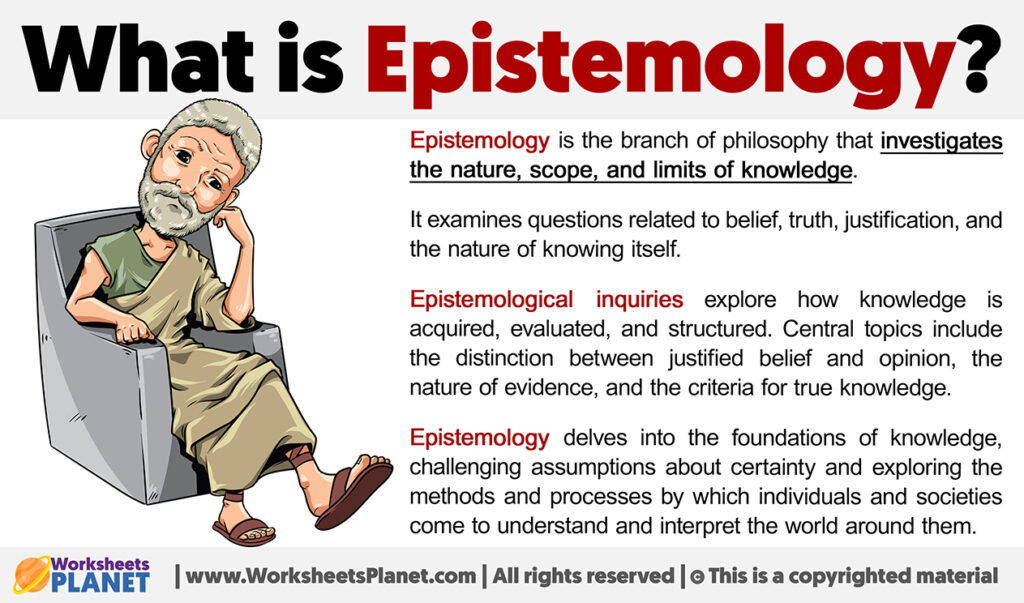
- Epistemology: The study of knowledge as a field of inquiry.
- Gnoseology: A philosophical discipline focused on the nature of human knowledge.
Conclusion
In conclusion, gnoseology is a rich and complex philosophical discipline that explores the intricate relationships between human knowledge, reality, and our understanding of it. By examining various approaches to gnoseology, we can gain a deeper understanding of the nature of knowledge and its place in the world.
Frequently Asked Questions (FAQs)
- What is gnoseology?
- Gnoseology is the study of human knowledge and its relationship with reality.
- Is gnoseology related to epistemology?
- While often used interchangeably, gnoseology and epistemology are distinct philosophical disciplines.
- Who are some notable contributors to gnoseology?
- Parmenides, Aristotle, and other ancient Greek philosophers have made significant contributions to the development of gnoseology.
-
What are the main branches of gnoseology?
- Realism, nominalism, empiricism, rationalism, critical rationalism, idealism, skepticism, dogmatism, phenomenology, and constructivism are some of the notable approaches within gnoseology.
-
How does gnoseology relate to other fields of study?
- Gnoseology intersects with various disciplines, including philosophy, science, psychology, and sociology.
-
What is the significance of understanding gnoseology?
- By examining gnoseology, we can gain a deeper understanding of the nature of knowledge, its limitations, and its relationship with reality.
-
Can anyone study gnoseology?
- Yes, anyone interested in philosophy, knowledge, and understanding can explore the field of gnoseology.
- How can I apply gnoseological concepts to my everyday life?
- By critically evaluating information, considering multiple perspectives, and being aware of our own biases, we can develop a more nuanced understanding of the world around us.
Whether you’re a philosopher, scientist, or simply curious about the nature of knowledge, exploring the world of gnoseology can enrich your understanding of reality and our place within it.
The Relationship Between Gnoseology and Reality
Gnoseology’s exploration of human knowledge and its relationship with reality raises fundamental questions about the nature of existence. Does reality exist independently of human perception, or is it shaped by our understanding?
- Objective Reality: Some approaches to gnoseology suggest that reality exists objectively, regardless of human perception.
- Subjective Reality: Others propose that reality is a product of individual subjective experiences.
The Impact of Gnoseology on Our Understanding of the World
Gnoseology’s examination of knowledge and its limitations has significant implications for our understanding of the world:
- Challenging Assumptions: Gnoseology encourages us to question our assumptions about reality, encouraging critical thinking and open-mindedness.
- Encouraging Inquiry: By examining the nature of knowledge, gnoseology motivates us to explore and understand the world around us.
The Role of Gnoseology in Shaping Our Beliefs
Gnoseology plays a crucial role in shaping our beliefs about reality and knowledge:
- Critical Thinking: Gnoseology promotes critical thinking, enabling us to evaluate information and make informed decisions.
- Open-Mindedness: By exploring different perspectives on gnoseology, we can develop open-mindedness and a willingness to consider alternative viewpoints.
The Significance of Gnoseological Concepts in Modern Society
Gnoseological concepts have significant implications for modern society:
- Science and Technology: Gnoseology’s emphasis on empirical evidence and critical thinking is essential in the development of scientific theories and technological advancements.
- Education: By understanding gnoseology, educators can design more effective learning environments that promote critical thinking and open-mindedness.
The Future of Gnoseology
As we continue to explore the nature of knowledge and reality, the field of gnoseology will likely evolve in response to new discoveries and challenges:
- Interdisciplinary Approaches: Gnoseology may incorporate insights from diverse fields, such as neuroscience, psychology, and sociology.
- Emergent Topics: New topics, such as AI, blockchain, and biotechnology, will likely be integrated into gnoseological inquiry.
In conclusion, gnoseology is a rich and complex philosophical discipline that explores the intricate relationships between human knowledge, reality, and our understanding of it. By examining various approaches to gnoseology, we can gain a deeper understanding of the nature of knowledge and its place in the world.
Glossary
- Epistemology: The study of knowledge as a field of inquiry.
- Empiricism: Knowledge is acquired through sensory experience and empirical observation.
- Idealism: Reality is a product of internal mental processes.
- Nominalism: The rejection of a universal ontological framework for knowledge.
- Phenomenology: The study of intentional relationships between consciousness and objects.
- Rationalism: Knowledge is derived from reason, unaided by sensory experience.
- Realism: The existence of an objective reality independent of human perception.
- Skepticism: The impossibility of attaining certain knowledge.
References
- Aristotle. (350 BCE). Posterior Analytics
- Parmenides. (500 BCE). On Nature
- Kant, I. (1787). Critique of Pure Reason
- Nietzsche, F. (1872). The Birth of Tragedy
Further Reading
- Bertrand Russell, Principles of Mathematics (1903)
- Ludwig Wittgenstein, Tractatus Logico-Philosophicus (1918)
- Immanuel Kant, Critique of Practical Reason (1788)
Whether you’re a philosopher, scientist, or simply curious about the nature of knowledge, exploring the world of gnoseology can enrich your understanding of reality and our place within it.


