
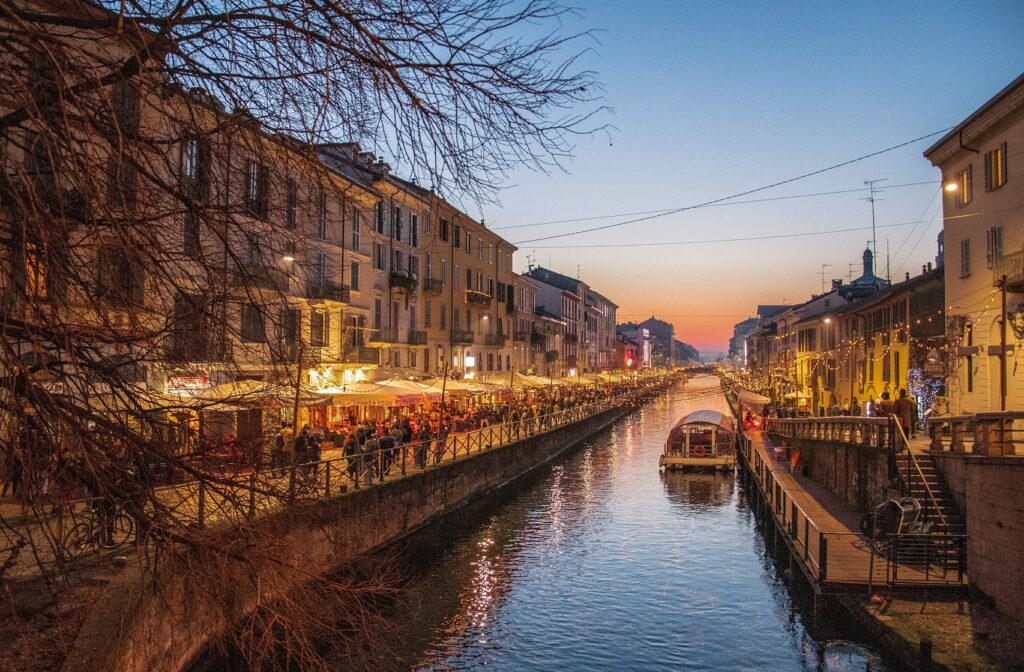
As we approach the Expo 2015, the city of Milan is making significant strides towards creating a “water city” that not only showcases its rich history but also prioritizes sustainability. The collaboration between private sponsors and public administrations has led to the development of a comprehensive project to revitalize the Navigli canals.
A Green Corridor for Milan
The ambitious plan aims to create a green corridor connecting Milan’s canals to the Regional Parks of the Ticino and Adda valleys, effectively transforming these waterways into an integral part of the city’s ecosystem. This innovative initiative will not only enhance the aesthetic appeal of the Navigli but also provide a unique opportunity for environmental rejuvenation.
The Scope of the Project
The intervention focuses on a 1-kilometer stretch of the naviglio, where trash and invasive species will be removed, followed by the introduction of over 700 native plant species, including biancospini, viburni, ligustri, prugnoli, sanguinelli, and rose canine. The project’s comprehensive framework includes:
- Environmental Protection: Securing and consolidating the canals’ embankments while preserving their historical and traditional characteristics.
- Canal Navigation: Restoring the navigability of the waterways to facilitate smooth transportation and commerce.
- Cultural Revitalization: Reviving the complex of alzaie with a bicycle-cycling and pedestrian path circuit, while restoring historic palaces and villas for public use.
- Agricultural Reforestation: Utilizing the Navigli as natural reservoirs to recharge groundwater aquifers and promote sustainable agriculture practices.
Benefits of the Project
The revitalization of the Navigli will have numerous benefits for the city, including:
- Enhanced Environmental Quality: The removal of trash and invasive species will significantly improve water quality, making it safer for aquatic life and human consumption.
- Increased Biodiversity: The introduction of native plant species will create a thriving ecosystem, supporting local wildlife and promoting biodiversity.
- Improved Air Quality: By reducing pollution from industrial activities, the Navigli project will contribute to improved air quality in Milan.
- Boosted Local Economy: The revitalized canals will become a hub for environmental tourism, generating revenue for local businesses and creating jobs.
Challenges and Opportunities
While the project presents numerous benefits, it also poses challenges that need to be addressed:
- Community Engagement: Ensuring community involvement and participation in the project is crucial for its success.
- Funding and Resources: The project requires significant funding and resources, which may be challenging to secure.
- Collaboration with Stakeholders: Effective collaboration between public administrations, private sponsors, and local stakeholders is essential for the project’s success.
A Hub for Environmental Sustainability
The revitalized Navigli will not only become a connection point between regional parks but also serve as a gateway to smaller metropolitan parks and nearby natural environments. By functioning as primary water collectors in the Milanese irrigation system, these canals will offer an opportunity for reevaluating agricultural practices around them in terms of ecological, phytoremediative, and biomass production.
The Road Ahead: A Sustainable Future
As we look forward to the Expo 2015, it’s clear that this project represents a concrete step towards achieving a sustainable future. By transforming the Navigli into a thriving green space, Milan will not only showcase its commitment to environmental sustainability but also create a lasting legacy for generations to come.
Frequently Asked Questions
Q: What is the primary goal of the Navigli revitalization project?
A: The main objective is to transform the canals into a sustainable green space that connects regional parks and serves as a hub for environmental rejuvenation.
Q: Which plant species will be introduced during the project?
A: Over 700 native plant species, including biancospini, viburni, ligustri, prugnoli, sanguinelli, and rose canine, will be planted along the canals.
Q: What measures will be taken to protect the canals’ historical and traditional characteristics?
A: The project includes securing and consolidating the embankments while preserving their historical and traditional features.
Q: How will the Navigli contribute to environmental sustainability?
A: By functioning as natural reservoirs, recharging groundwater aquifers, and promoting sustainable agriculture practices around the canals.
Q: What role do you see the Navigli playing in Milan’s urban development?
A: The revitalized Navigli will serve as a connection point between regional parks, smaller metropolitan parks, and nearby natural environments, while also contributing to environmental sustainability.
Q: When can we expect the project to be completed?
A: The project is expected to be completed ahead of schedule, with a focus on meeting the Expo 2015 deadline.
Q: What opportunities will the Navigli provide for local businesses and residents?
A: The revitalized canals will offer new opportunities for local businesses and residents through sustainable agriculture practices, environmental tourism, and cultural events.


