
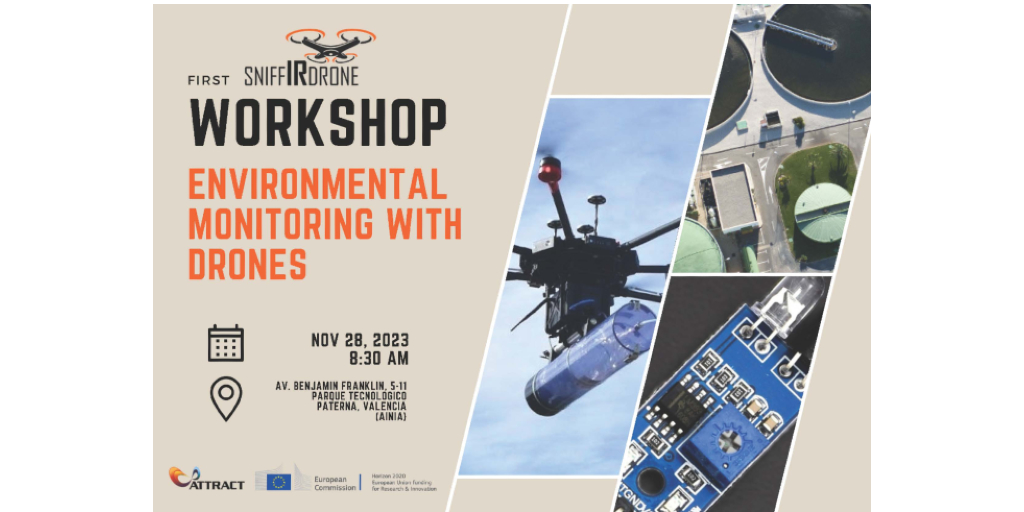
As we strive to protect our planet, it’s essential to adopt innovative technologies that help us monitor and understand the environment more effectively. One such technology is the drone, which has been transforming the way we approach environmental monitoring in recent years.
The Rise of Drone-Based Environmental Monitoring
Drones, also known as unmanned aerial vehicles (UAVs), have become increasingly popular in recent years due to their versatility, accuracy, and cost-effectiveness. Equipped with advanced sensors and cameras, drones can capture high-resolution images and data on various environmental parameters, such as vegetation health, soil moisture, and water quality.
In this article, we’ll delve into the world of drone-based environmental monitoring, exploring its benefits, applications, and future prospects.
Meet the HyUAV: A Drone Designed for Environmental Monitoring
The HyUAV (Hyperspectral Unmanned Airborne Vehicle) is a cutting-edge drone designed specifically for environmental monitoring. Collaborating with the University of Milano-Bicocca, this innovative drone has been engineered to provide accurate and detailed data on various environmental parameters.
What Can the HyUAV Do?
The HyUAV is equipped with hyperspectral sensors that allow it to capture high-resolution images in the visible and near-infrared spectrum. By analyzing these images, researchers can identify different types of surfaces, quantify chemical and physical properties, and even detect changes in vegetation health.
For instance, the HyUAV can be used to monitor the content of chlorophyll in plants, providing valuable insights into ecosystem health and resilience.
Key Features of the HyUAV
- Weight: 7 kg
- Speed: Up to 5 m/s
- Altitude: No limits, but subject to Italian legislation
- Payload capacity: 2 kg
When to Use the HyUAV?
The HyUAV is particularly useful in situations where a high-resolution, low-altitude view of an area is required. For example:
- Agricultural monitoring: Crop health and growth monitoring can be done with precise temperature and moisture data.
- Glacier monitoring: The drone’s ability to capture high-resolution images helps identify changes in glacier ice coverage and calving patterns.
History of Drone-Based Environmental Monitoring
The use of drones for environmental monitoring dates back to the early 2000s, when NASA began using them to map large-scale forest fires in California. Since then, various organizations have developed their own drone-based monitoring systems, with a growing focus on civilian applications.
Why is the HyUAV Different?
The HyUAV stands out from other drones due to its unique design and capabilities:
- Specifically tailored for environmental monitoring
- Hyperspectral sensors provide accurate data on surface properties
Cost of the HyUAV: Is It Worth the Investment?
While the HyUAV is an expensive piece of equipment, its cost is justified by its versatility and accuracy. The drone’s authors have implemented rigorous safety protocols, ensuring that it meets strict aviation standards.
However, the high upfront cost and training requirements for pilots can be a barrier to adoption for some organizations.
Other Applications Beyond Environmental Monitoring
The HyUAV has potential beyond environmental monitoring, including:
- Industrial surveillance: Drums with sensors could monitor large industrial facilities.
- Public security: Drones equipped with night vision capabilities could monitor public areas and detect potential threats.
Conclusion: A New Era for Environmental Monitoring
The HyUAV represents a significant leap forward in environmental monitoring, offering unprecedented accuracy and versatility. As technology continues to evolve, we can expect to see even more innovative applications of drones in the world of conservation and sustainability.
Frequently Asked Questions
- Q: How does the HyUAV work?
A: The HyUAV uses hyperspectral sensors to capture high-resolution images in the visible and near-infrared spectrum. - Q: What is the main advantage of using a drone for environmental monitoring?
A: Drones offer a cost-effective way to collect detailed data on various environmental parameters, often with greater accuracy than traditional methods. - Q: Can drones be used for security purposes beyond environmental monitoring?
A: Yes, drones equipped with night vision capabilities could monitor public areas and detect potential threats.



