
The time has finally come for environmental education to take center stage in Italian schools. With the government’s new initiative, “La Buona Scuola,” environmental education is being given a prominent role in shaping the next generation of environmentally conscious citizens.
But what exactly does this mean for students? How can we make environmental education engaging and accessible, especially for young children? In this article, we’ll explore some innovative approaches to teaching environmental awareness and sustainability in schools.
The Importance of Environmental Education
As we face increasing challenges such as climate change, deforestation, and pollution, it’s more crucial than ever that we educate our children about the importance of preserving our planet. By integrating environmental education into school curricula, we can empower students to make informed choices about their daily lives and become active contributors to creating a sustainable future.
From Playgrounds to Laboratories
In Italy, the government has launched an initiative called “La Buona Scuola” which aims to promote environmental education in schools. The program is designed to be flexible and adaptable, with the goal of making environmental education accessible to all students, regardless of their age or background.
But what does this mean for everyday life? How can we make environmental education relevant and engaging for young children? Here are some creative ways to bring environmental awareness into our daily lives:
- Creating recycling centers in schools
- Organizing outdoor activities that promote sustainability
- Developing curricula that focus on environmental education
Real-World Applications of Environmental Education
One innovative approach to teaching environmental awareness is through hands-on, real-world experiences. This can include:
- Conducting experiments and investigations on sustainable practices
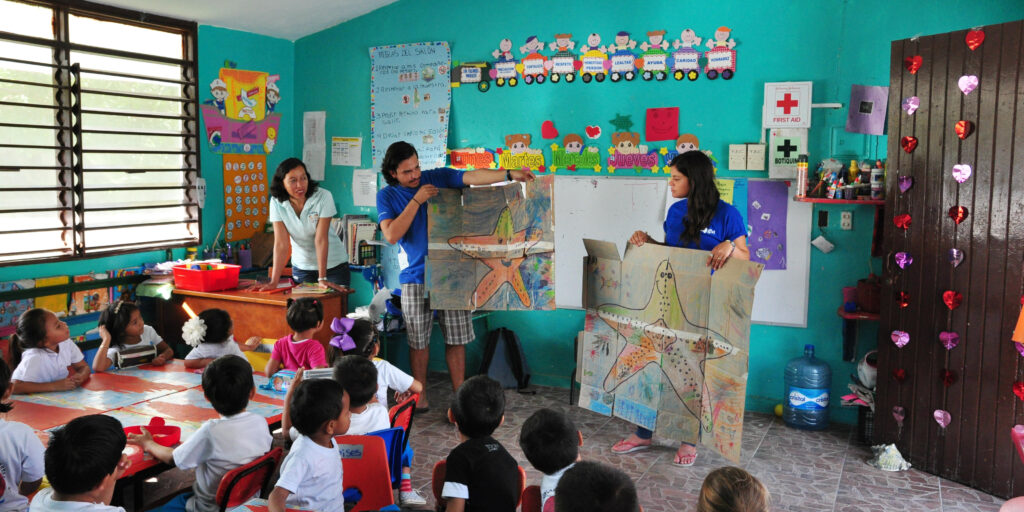
- Creating art projects that highlight the importance of conservation
- Hosting guest speakers who share their personal experiences with sustainability
By incorporating these types of activities into our educational programs, we can make environmental education more engaging, relevant, and effective.
Success Stories from Around the World
While Italy is just starting its journey in environmental education, other countries have already seen remarkable success. For example:
- The “Green Schools” initiative in Ireland has led to significant reductions in energy consumption and waste.
- The “Eco-Schools” program in Scotland has empowered students to take action on environmental issues.
These examples demonstrate that with the right approach and support, we can make a real difference in promoting sustainability and environmental awareness.
Effective Strategies for Implementing Environmental Education
Here are some effective strategies for implementing environmental education:
- Use hands-on learning activities such as field trips, experiments, and art projects
- Involve local communities and experts to share their experiences with sustainability
- Develop curriculum that focuses on environmental education and sustainability
By using these strategies, we can create an engaging and interactive learning environment that promotes environmental awareness and sustainability.
Challenges and Limitations of Environmental Education
While there are many benefits to environmental education, there are also challenges and limitations. For example:
- Limited resources and funding
- Difficulty in measuring the effectiveness of environmental education programs
- Limited public awareness and support for environmental education
To overcome these challenges, it’s essential to develop effective strategies for implementing environmental education. This includes building partnerships with local communities, involving experts in sustainability, and using technology to enhance learning.
Conclusion
As we look to the future, it’s clear that environmental education will play an increasingly important role in shaping our world. By working together, we can create a brighter, more sustainable future for ourselves and future generations.
So what does this mean for you? How can you get involved in promoting environmental education and sustainability?
Here are some ways to start:
- Share your own experiences with environmental education
- Support initiatives that promote sustainability and environmental awareness
- Encourage others to take action on environmental issues
Together, we can make a real difference.
Frequently Asked Questions
Q: What is the government’s initiative called “La Buona Scuola”?
A: La Buona Scuola is an initiative launched by the Italian government to promote environmental education in schools.
Q: How does this initiative aim to engage students in environmental education?
A: The program aims to make environmental education accessible and engaging for all students, regardless of their age or background.
Q: What types of activities are included in La Buona Scuola?
A: Activities may include creating recycling centers, organizing outdoor sustainability activities, and developing curricula that focus on environmental education.
Q: How can I get involved in promoting environmental education and sustainability?
A: You can share your own experiences with environmental education, support initiatives that promote sustainability, and encourage others to take action on environmental issues.


