
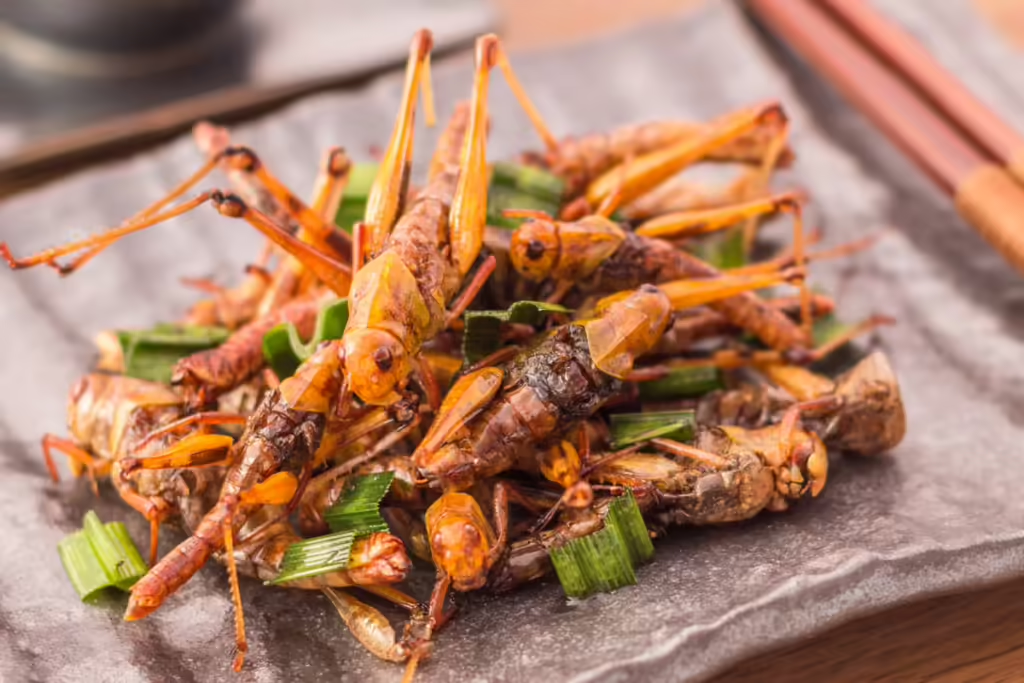
As we navigate the complexities of modern life, it’s essential to acknowledge the growing importance of sustainable food systems. One practice that has been gaining traction is entomophagy, the art of eating insects. While it may seem exotic or even taboo, entomophagy is a long-standing tradition in many cultures around the world.
What is Entomophagy?
Entomophagy (from the Greek éntomos, “insect,” and phāgein, “to eat”) refers to the practice of consuming insects as a food source. This ancient habit has been observed in various forms across the globe, with different cultures incorporating insects into their diets for nutritional, cultural, or economic reasons.
A Global Phenomenon
Entomophagy is not limited to any one region; it’s a global phenomenon that transcends geographical and cultural boundaries. In some parts of Asia, Africa, and South America, insects are an integral part of traditional cuisine, while in Europe, the practice is still relatively unknown.
For example, in Mexico, chapulines (grasshoppers) are a popular snack, often seasoned with chili powder and lime juice. In Southeast Asia, crickets are commonly used as a protein source in dishes like stir-fries and curries. Similarly, in Brazil, ants are a staple ingredient in some regions, particularly in the Amazon rainforest.
The Benefits of Entomophagy
So, why should we care about entomophagy? For one, it offers a sustainable solution to global food security challenges. Insect farming requires significantly less land, water, and feed than traditional livestock production. Additionally, insects are an excellent source of protein, micronutrients, and other essential nutrients.
According to the Food and Agriculture Organization (FAO) of the United Nations, insect farming has the potential to increase global food security by providing a reliable source of protein for human consumption and animal feed. Insects can also help reduce greenhouse gas emissions, which contribute to climate change.
Moreover, entomophagy can be an economically viable option for small-scale farmers and communities, particularly in areas where traditional livestock farming is not feasible due to land constraints or lack of resources.
Ento-Gastronomy: Exploring the Flavors
Entomophagy is not just about consuming insects; it’s also about exploring new flavors and culinary traditions. From “Ants and Pineapple” to locustes brasate al vino rosso, ento-gastronomy has given rise to a diverse array of dishes that showcase the unique characteristics of various insect species.
Innovative chefs and food enthusiasts are experimenting with different insects and cooking techniques to create novel culinary experiences. For instance, the use of mealworms in pasta sauces or as a topping for pizzas is becoming increasingly popular.
Insect Farming: A Growing Industry
Several countries have already begun to cultivate insects on a large scale. The Netherlands, for example, is at the forefront of insect farming, with companies like BugFree and Innate Farms producing insect-based products for human consumption and animal feed.
Other countries, such as the United States, Canada, and Australia, are also investing heavily in insect farming. The global market for insect-based food products is expected to grow significantly over the next few years, driven by increasing demand for sustainable and nutritious food options.
The Future of Food
As our planet faces unprecedented environmental challenges, it’s time to rethink our approach to food production. Entomophagy offers a promising solution, one that could help reduce the pressure on natural resources while providing a nutritious and sustainable source of protein.
Insect farming can also play a key role in reducing greenhouse gas emissions, which contribute to climate change. By producing insects on a large scale, we can reduce the need for resource-intensive livestock production and promote more sustainable food systems.
Challenges and Controversies
While entomophagy has many benefits, there are also challenges and controversies associated with insect farming and consumption. For instance:
- Safety concerns: Some people may be hesitant to consume insects due to concerns about safety and hygiene.
- Cultural and social barriers: In some cultures, eating insects is still considered taboo or unacceptable.
- Regulatory frameworks: There is a need for clearer regulatory frameworks to govern the production and sale of insect-based food products.
Addressing Concerns
To address these challenges and controversies, it’s essential to educate people about the benefits of entomophagy and the safety of insect consumption. By promoting cultural exchange and education programs, we can help break down social barriers and promote a more inclusive approach to sustainable food systems.
In addition, regulatory frameworks need to be developed to ensure that insect-based food products are produced and sold safely and responsibly. This may involve establishing guidelines for insect farming practices, labeling regulations, and quality control measures.
The Role of Insect-Based Food in Sustainable Agriculture
Insect-based food has the potential to play a significant role in sustainable agriculture, particularly in areas where traditional livestock farming is not feasible due to land constraints or lack of resources.
By providing a reliable source of protein for human consumption and animal feed, insect farming can help reduce greenhouse gas emissions and promote more efficient use of natural resources. Insect-based food products can also be used as a substitute for traditional livestock products in areas where access to these products is limited.
Case Study: The Netherlands
The Netherlands has been at the forefront of insect farming, with companies like BugFree and Innate Farms producing insect-based products for human consumption and animal feed. The country’s innovative approach to insect farming has earned it a reputation as a leader in sustainable agriculture.
BugFree, for example, uses a combination of traditional breeding techniques and genetic engineering to produce high-quality mealworms for animal feed and human consumption. The company’s innovative approach to insect farming has helped establish the Netherlands as a major player in the global market for insect-based food products.
Conclusion
Entomophagy is not just a niche practice; it’s a vital component of a more sustainable food system. As we look to the future, it’s essential to recognize the potential benefits of entomophagy and explore ways to integrate this ancient tradition into our modern diets.
By promoting cultural exchange, education programs, and innovative approaches to insect farming and consumption, we can help address concerns and controversies associated with entomophagy. Ultimately, entomophagy has the potential to play a significant role in reducing greenhouse gas emissions, promoting sustainable agriculture, and providing a nutritious source of protein for human consumption.
Frequently Asked Questions (FAQs)
Q: Is entomophagy safe for human consumption?
A: Yes, entomophagy is a long-standing practice in many cultures, and insects are considered a safe food source when prepared and consumed correctly.
Q: Which insects are commonly consumed?
A: Various insect species are consumed globally, including crickets, mealworms, grasshoppers, ants, beetles, and scorpions.
Q: How can I get started with entomophagy?
A: You can begin by exploring recipes online or visiting local farmers’ markets that sell insect-based products. As you become more comfortable with the idea of entomophagy, you can experiment with different ingredients and cuisines.
Q: Is entomophagy only for adventurous eaters?
A: Not necessarily. While entomophagy may be an acquired taste, many people find it to be a unique and enjoyable culinary experience.
Q: Can I grow my own insects at home?
A: Yes, there are several insect species that can be raised in captivity, such as mealworms and crickets, which can provide a sustainable source of protein for your family.
Q: How does entomophagy compare to traditional livestock farming?
A: Insect farming requires significantly less land, water, and feed than traditional livestock production, making it a more environmentally friendly option.
Q: What is the future of insect-based food products?
A: As demand for sustainable and nutritious food options grows, we can expect to see an increase in the production and consumption of insect-based products, including insect-based protein powders, snacks, and other food products.


