
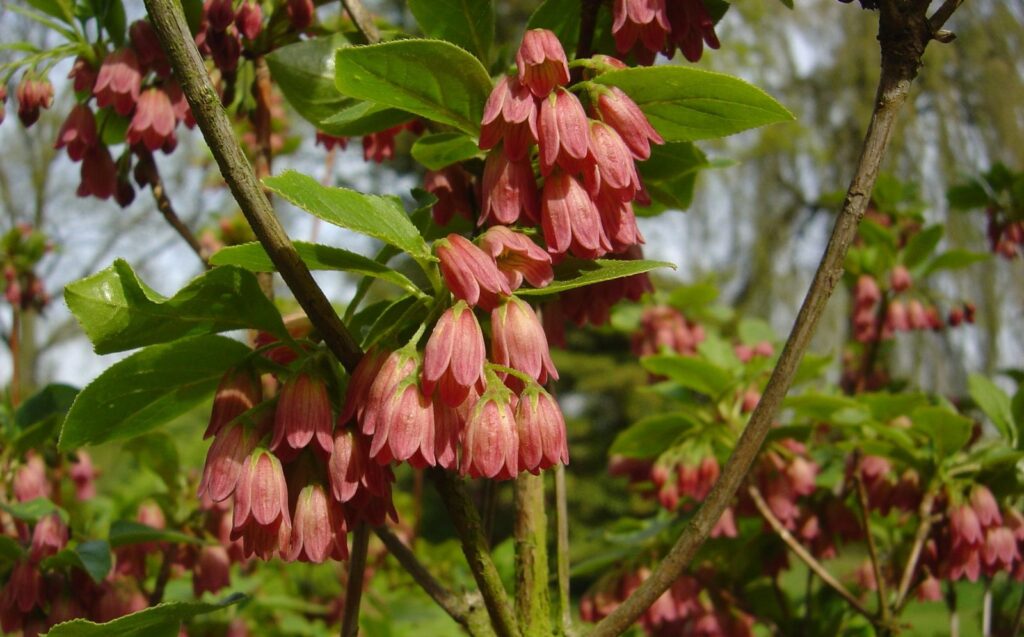
Enkianthus is a perennial shrub native to Japan and belonging to the Ericaceae family. It is widely cultivated for ornamental purposes in public parks and private gardens alike. With its unique characteristics, attractive foliage, and showy flowers, enkianthus has become a popular choice among gardeners seeking to add a touch of elegance and sophistication to their outdoor spaces.
Characteristics of Enkianthus
The enkianthus is characterized by its slow-growing nature. Despite this, it can reach heights of up to three meters after several years of development. The branches are upright and covered with a thin reddish-brown bark that adds a unique texture and depth to the plant’s appearance.
When cultivated as a tree, the canopy tends to be rounded in shape with a diameter of up to four meters. This makes it an ideal choice for those seeking to create a sense of seclusion or a private retreat in their garden. The leaves are green in color and are gathered together in small bunches, providing a lush and full appearance to the plant.
During the autumn season, the leaves lose their green hue and turn shades of orange or red before falling off. This spectacular display of color is a hallmark of enkianthus and attracts visitors from far and wide.
The plant is highly attractive to pollinators, which are drawn to its flowers in pink or white hues that are clustered together to form pendulous groups. The fruits, containing three to five seeds, are beige in color and provide an additional source of interest for gardeners and wildlife alike.
How to Care for Enkianthus
To care for an enkianthus, one must pay attention to several factors, including light exposure, soil composition, watering, fertilization, and pruning. By following these guidelines, gardeners can ensure that their enkianthus plants thrive and reach their full potential.
Light Exposure
While preferring partial shade, the enkianthus can adapt to full sun. However, high temperatures should be avoided as they may cause damage to the leaves. Placing the plant in direct sunlight for extended periods during hot hours can also lead to issues such as scorching or leaf burn.
The plant is not sensitive to cold temperatures and can tolerate temperatures below -15°C. During winter, it’s recommended to protect the plant with a layer of mulch made from dry leaves or straw. This helps to insulate the roots and prevent damage from extreme cold snaps.
Soil Composition
As an acid-loving plant, enkianthus requires acidic soil with pH values between 5 and 6. The soil should also contain organic matter to facilitate drainage and aeration. Organic composts such as peat moss or leaf mold can help to maintain the desired acidity level while providing essential nutrients for healthy growth.
Enkianthus can thrive in containers as well as in the ground. In either case, it’s crucial to maintain an acidic soil composition and good drainage. Avoid using alkaline soils or those with high levels of sand, as they may not provide the necessary conditions for optimal growth.
Watering
Adult enkianthus plants typically get enough water from rainfall. However, during periods of drought, they may need supplemental watering. Young or recently planted enkians require regular watering throughout the growing season, starting in March and ending in September. It’s essential to avoid overwatering, as this can lead to root rot and other problems.
When watering the plant, make sure to water at the base of the stem rather than overhead. This helps to prevent fungal diseases that thrive in moist environments. Watering once or twice a week is usually sufficient, but this may vary depending on weather conditions and soil type.
Fertilization
Like other shrubs, enkianthus benefits from fertilization at specific times. During spring and autumn, apply a balanced fertilizer that contains nitrogen, phosphorus, and potassium. Organic granular fertilizers containing high levels of nitrogen are also effective and can be used in place of chemical-based products.
Additional microelements such as iron and magnesium can be beneficial for both the plant itself and the surrounding soil. These nutrients help to promote healthy growth, improve resistance to disease, and enhance overall appearance.
When choosing a fertilizer, consider the specific needs of your enkianthus plant and apply it according to the manufacturer’s instructions. Regular fertilization will ensure that the plant receives all the necessary nutrients for optimal growth and development.
Pruning
Regular pruning is essential for maintaining the health and appearance of an enkianthus plant. Prune in late winter or early spring, removing any dead or damaged branches to prevent disease and promote new growth.
After pruning, apply a layer of mulch around the base of the plant to retain moisture and regulate soil temperature. This also helps to suppress weeds and prevent soil erosion.
In addition to pruning, enkianthus plants can be trained to maintain a desired shape or form. By regularly pruning branches and shaping the plant, gardeners can create a stunning hedge or topiary effect that enhances their outdoor space.
Propagation
Enkianthus plants are relatively easy to propagate using cuttings, layering, or division. Take 20-30 cm stem cuttings with at least two sets of leaves during the growing season and root them in moist soil.
Rooted cuttings can be transferred to individual pots once they have developed a robust root system. Alternatively, enkianthus plants can be propagated using layering, where a section of the stem is bent down to the ground and allowed to develop roots before being cut below the node.
Division is another effective method for propagating enkianthus plants. Gently dig up the entire plant in late winter or early spring, separating the individual roots as needed. Replant the divisions in well-draining soil and provide regular care until they establish themselves.
Common Problems and Solutions
While enkianthus plants are relatively low-maintenance, they can be susceptible to certain problems that require attention from gardeners. Some common issues include:
- Root rot: This occurs when the plant’s roots become waterlogged due to overwatering or poor drainage.
Solution: Improve soil drainage by adding organic matter such as compost or perlite.
Avoid overwatering and ensure good air circulation around the plant. - Leaf scorch: This is caused by excessive heat, dryness, or direct sunlight.
Solution: Provide partial shade during hot weather, maintain high humidity levels, and apply a protective layer of mulch to retain moisture.
Regular pruning can also help promote healthy growth and prevent leaf scorch. - Pests and diseases: Regular monitoring of the plant is essential for detecting any signs of infestation or infection.
Solution: Inspect the plant regularly and treat promptly if necessary. Remove infected leaves or stems, and disinfect gardening tools to prevent the spread of disease.
By following these guidelines and being mindful of potential problems, gardeners can ensure that their enkianthus plants thrive and provide a stunning display of color and beauty in their outdoor spaces.


