
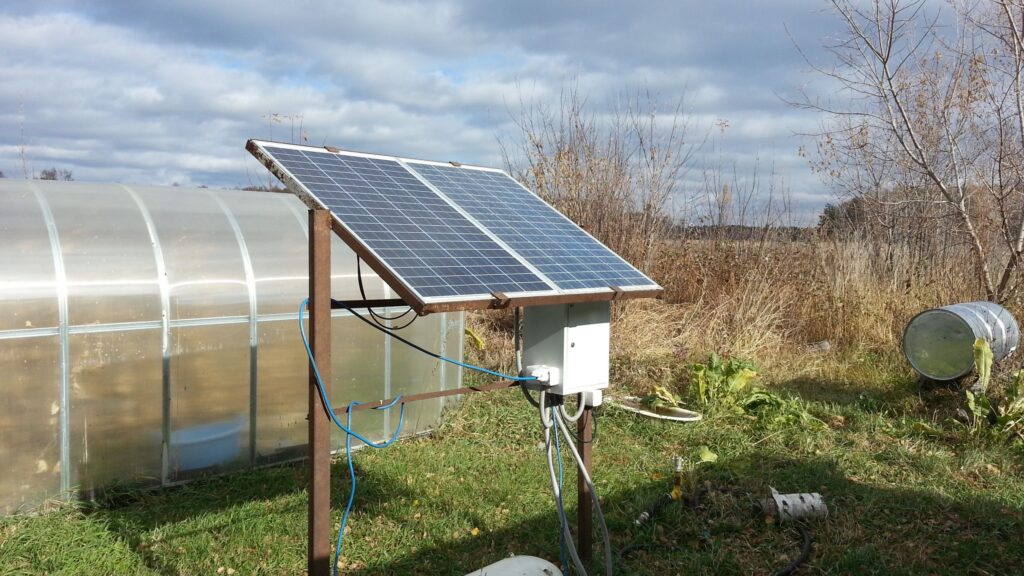
Unlocking the Power of Solar Energy: The Role of Energy Storage
The concept of energy storage, or the ability to store excess energy produced by renewable sources like solar panels for later use, has become increasingly important in recent years. As incentives for producing solar energy have expired, households and businesses are now focusing on autoconsumption, making it essential to optimize energy production and consumption.
Why Energy Storage Matters
Energy storage systems can help alleviate the limitations of traditional photovoltaic (PV) systems by providing a buffer against variable energy production. In other words, energy storage enables us to use solar energy even when it’s not being produced, reducing waste and increasing overall efficiency. This is particularly crucial for households with small-scale PV installations (< 20 kW), which have experienced rapid growth since 2008.
Domotica Systems: The Missing Link
To manage the distribution of electrical loads efficiently, domestic automation systems (domotica) play a vital role. These systems can coordinate appliances to consume energy during periods when the solar panel is not producing, such as nighttime or low-light conditions. For instance, smart fridges can draw energy from the grid when the PV system is not generating power.
Energy Storage Solutions: Batteries and Inverters
The most effective way to harness excess energy from solar panels is through energy storage systems consisting of batteries and inverters. These devices enable us to capture and store non-used energy, which can be utilized during periods of high demand or when the sun is not shining. This technology also helps prevent overgeneration (excess energy) from being wasted.
Efficiency and Cost-Effectiveness
The efficiency of PV systems with advanced solar thermodynamic technology significantly impacts their viability even without incentives. Furthermore, as small-scale PV installations continue to grow, it will become possible to install batteries for existing PV systems, expanding the range of applications. As of now, over 550,000 PV systems are installed in Italy, accounting for approximately 18 million kW of power.
Current State of Energy Storage Technology and Costs
The current state of energy storage technology is remarkable, with prices decreasing dramatically due to economies of scale. Investors can expect a further decrease in costs (40-50% over 3-4 years) as the technology continues to advance. For example, an investor could potentially reap a total annual benefit of around €270 from purchasing an energy storage system (€100 for system benefits and €170 in reduced utility bills). Some industry associations, such as ANIE Energia, propose additional support mechanisms to boost adoption.
Benefits of Energy Storage Systems
Energy storage systems offer numerous benefits, including:
- Reduced energy waste
- Improved overall efficiency
- Enhanced grid stability
- Increased reliability
- Cost savings through reduced utility bills
Advantages of Domotica Systems
Domotica systems have several advantages, including:
- Improved energy management
- Enhanced home automation
- Increased comfort and convenience
- Reduced energy consumption
- Environmental benefits
Challenges and Limitations
While energy storage systems offer numerous benefits, there are also challenges and limitations to consider. Some of these include:
- High upfront costs
- Limited scalability
- Complexity in implementation
- Technical requirements for battery maintenance
- Integration with existing grid infrastructure
Future Outlook
The future outlook for energy storage technology is promising, with ongoing advancements in battery technology and decreasing costs. As the demand for renewable energy continues to grow, it’s likely that energy storage systems will play an increasingly important role in optimizing energy production and consumption.
Conclusion
In conclusion, the integration of solar energy with energy storage has opened up new possibilities for households and businesses. By utilizing energy storage systems, individuals can significantly enhance their overall efficiency, reduce waste, and benefit from cost savings. As technology continues to evolve, we can expect increased accessibility and affordability of these solutions, paving the way for a more sustainable future.
FAQs
- What is the role of energy storage in solar-powered homes?
Energy storage systems capture excess energy produced by solar panels during periods of low demand, allowing households to utilize it later when needed. - How does domotica contribute to efficient energy management?
Domestic automation systems (domotica) help manage electrical loads efficiently by coordinating appliances to consume energy during periods when the solar panel is not producing power. - What are some popular energy storage solutions available today?
The most effective way to harness excess energy from solar panels is through systems consisting of batteries and inverters, which capture non-used energy for later use. - How have costs associated with energy storage decreased over time?
The prices of energy storage components have dropped significantly (40-50% over 3-4 years) due to economies of scale as the technology advances. - What benefits can be expected from adopting energy storage systems?
These solutions offer numerous benefits, including cost savings, reduced waste, and enhanced overall efficiency in solar-powered homes.
By understanding the role of energy storage in solar-powered homes and leveraging domotica systems, households and businesses can optimize their energy production and consumption, reducing waste and increasing overall efficiency. As technology continues to evolve, we can expect increased accessibility and affordability of these solutions, paving the way for a more sustainable future.


