
As the world grapples with an impending energy crisis, it’s imperative that we develop new systems for storing energy. Currently, there are numerous technologies available for energy storage (also known as energy storage or energy storage system), but what they seem to lack is innovation.
Energy Storage for Electric Mobility
At present, research into developing new energy storage systems for electric mobility is being funded by automotive companies to expand the field of electric vehicles. The focus is on creating more efficient lithium-air batteries, sodium-air batteries, and solid-state lithium-ion batteries. These have already gained significant traction with the successful deployment of salt-based batteries and solid electrolyte batteries.
The automotive industry’s emphasis on developing new energy storage systems for electric mobility has led to a plethora of research initiatives aimed at improving efficiency and reducing costs. Companies such as Tesla, General Motors, and Volkswagen are actively investing in these efforts, with many promising breakthroughs on the horizon.
One notable development is the work being done by scientists at the University of California, Los Angeles (UCLA), who have made significant strides in developing lithium-air batteries that could potentially outperform existing lithium-ion batteries. These new batteries use a hydroxide-based electrolyte instead of the traditional lithium salts used in most lithium-ion batteries.
Another area of research is focused on solid-state lithium-ion batteries, which aim to replace the liquid electrolytes found in traditional lithium-ion batteries with solid materials. This could lead to improved safety and energy density, as well as reduced costs.
In addition to these technological advancements, automotive companies are also exploring new ways to integrate energy storage into their vehicles. For example, some manufacturers are designing cars with integrated energy storage systems that can harness kinetic energy generated by the vehicle’s movement and convert it into electricity.
Energy Storage at Power Plants
One of the oldest techniques for energy storage involves transforming energy. In modern times, a shining example can be seen in hydroelectric power plants, which “store” energy by pumping water into a reservoir or cistern during off-peak hours. During peak demand periods, the stored water is released through turbines to generate electricity.
Other forms of energy storage through “transformation” include converting energy into heat or compressed air. For instance, thermal energy storage systems use molten salt to store heat generated by concentrated solar power plants during the day and release it at night when demand is high.
Compressed Air Energy Storage
A practical example involves using solar energy to power a compressor that fills an air tank. To reuse the energy, simply release the compressed air and use it to power a generator to produce electricity. This process is known as compressed air energy storage (CAES), which has been successfully implemented in several countries around the world.
One major issue with CAES is its efficiency, as heat generated during the process is still lost. Researchers are working on ways to improve the efficiency of CAES systems by using more efficient compressors and cooling systems, as well as exploring new technologies such as liquid air storage.
Energy Storage in Renewable Energy
To alleviate grid congestion, Germany has implemented incentives for purchasing energy storage systems crucial for renewable energy sources. In Germany, a complex but effective system has been developed to store energy from solar and wind power: starting with the kinetic energy of rotating wind turbine blades, passing through hydrogen production, and concluding with biogas storage.
A true Triple Energy System: wind, hydrogen, and biogas. This innovative approach not only stores excess energy generated by renewable sources but also enables the efficient use of that energy in various applications, such as transportation, industry, and power generation.
Home Energy Storage
In domestic settings, there is also a growing need for energy storage systems to store electricity generated by rooftop solar panels or domestic wind turbines. New-generation wind turbines now incorporate energy storage within their column, while numerous companies offer energy storage solutions.
Homeowners can choose from various products available in the market, such as Panasonic’s battery systems, Energy Storage E3 DC devices, and other innovative solutions discussed further in this article. These systems range from simple battery banks to more complex hybrid power plants that combine solar panels, wind turbines, and energy storage to provide a reliable source of electricity.
Vehicular Energy Storage
For those owning electric vehicles, energy storage can be achieved by utilizing the built-in accumulator system of the vehicle. This is often referred to as vehicle-to-grid (V2G) technology, which allows electric vehicles to supply excess energy back to the grid when not in use.
The benefits of V2G technology are numerous, including improved grid stability, reduced strain on the grid during peak hours, and enhanced overall efficiency of the transportation system. However, there are still several challenges that need to be addressed before V2G technology can become widespread.
Hydrogen Storage
Hydrogen is a valuable resource that does not exist in its free form naturally and is therefore referred to as an “energy carrier.” Hydrogen is a versatile energy source with numerous applications, making the storage of hydrogen energy an appealing opportunity for various sectors mentioned earlier, including automotive and energy sectors.
Storing hydrogen is far from simple; the latest technology involves the use of carbon nanotubes. Hydrogen can be stored in either liquid or gaseous form, with significant limitations associated with maintaining appropriate pressure in liquid form and volume constraints for gaseous storage.
Researchers are working on developing new materials and technologies to improve the efficiency and safety of hydrogen storage systems. One promising approach is the use of carbon nanotubes, which have shown great potential in improving the efficiency and stability of hydrogen storage.
Nanotechnology Applications
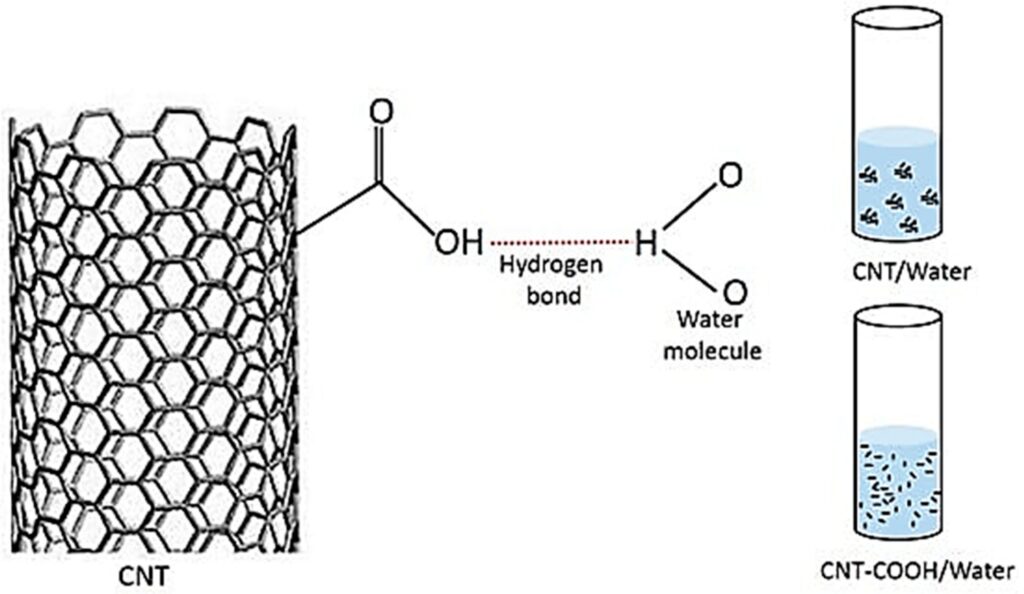
Carbon nanotubes, also known asCNTs, are a type of nanomaterial that has been extensively researched for its unique properties and potential applications. These tiny tubes, measuring only a few nanometers in diameter, exhibit exceptional strength, conductivity, and thermal properties.
One exciting application of CNTs is their potential use in hydrogen storage systems. Researchers have demonstrated that CNTs can be used to improve the efficiency and safety of hydrogen storage by reducing the pressure required for storage and improving the stability of the stored gas.
Challenges and Future Directions
While energy storage technologies continue to advance, there are still several challenges that need to be addressed before they can become widespread. These include:
- Efficiency: Energy storage systems must be able to store and release energy efficiently, with minimal losses.
- Cost: Energy storage systems must be cost-effective and competitive with traditional energy sources.
- Safety: Energy storage systems must be safe and reliable, with minimal risk of accidents or equipment failure.
- Scalability: Energy storage systems must be scalable to meet the needs of a growing global population.
To overcome these challenges, researchers are exploring new materials and technologies that can improve the efficiency, safety, and scalability of energy storage systems. Some promising areas of research include:
- Advanced battery technologies: Researchers are working on developing new battery chemistries and architectures that can improve the efficiency and lifespan of batteries.
- Supercapacitors: Supercapacitors have shown great potential in energy storage applications due to their high power density, long cycle life, and fast charging/discharging rates.
- Graphene-based materials: Researchers are exploring the use of graphene-based materials for energy storage applications due to their exceptional electrical conductivity and mechanical strength.
In conclusion, energy storage is a critical component of sustainable energy management, and researchers are working tirelessly to develop new technologies that can improve efficiency, safety, scalability, and cost-effectiveness. From compressed air to nanotubes, the possibilities for energy storage are endless, and it will be exciting to see what innovations emerge in the coming years.
Energy Storage in Buildings
In addition to electric vehicles and renewable energy sources, buildings are also an important area where energy storage can play a significant role. Building-integrated photovoltaics (BIPV) systems integrate solar panels directly into building facades or roofs, providing both electricity generation and storage capabilities.
Building energy management systems that use advanced sensors and data analytics to optimize energy consumption and storage are becoming increasingly popular. These systems can help buildings reduce their energy consumption, lower energy bills, and increase their overall efficiency.
Grid-Scale Energy Storage
As the world transitions towards a more decentralized energy system, grid-scale energy storage becomes an essential component for ensuring a reliable and efficient supply of electricity. Large-scale energy storage systems are being developed to store excess energy generated by renewable sources during off-peak hours and release it during peak demand periods.
These systems can help stabilize the grid, reduce strain on transmission infrastructure, and improve overall system reliability. In addition, large-scale energy storage systems can also enable greater integration of decentralized energy sources, such as rooftop solar panels and wind turbines, into the grid.
Energy Storage in Transportation
The transportation sector is another critical area where energy storage can play a significant role. Electric vehicles, which are becoming increasingly popular, require advanced battery technologies to store electricity generated by onboard generators or charging stations.
In addition to electric vehicles, other forms of energy storage, such as compressed air and hydrogen storage, are also being explored for transportation applications. These systems have the potential to improve fuel efficiency, reduce emissions, and increase overall system reliability.
Energy Storage in Industry
Industry is another sector where energy storage can play a significant role. Advanced manufacturing processes require high levels of energy, and energy storage systems can help provide the necessary power while reducing strain on traditional grid infrastructure.
In addition to industrial applications, energy storage systems are also being explored for use in other sectors, such as commercial buildings and data centers. These systems can help reduce energy consumption, lower energy bills, and increase overall system efficiency.
Conclusion
Energy storage is a critical component of sustainable energy management, and researchers are working tirelessly to develop new technologies that can improve efficiency, safety, scalability, and cost-effectiveness. From compressed air to nanotubes, the possibilities for energy storage are endless, and it will be exciting to see what innovations emerge in the coming years.
As the world continues to transition towards a more decentralized energy system, energy storage systems will play an increasingly important role in ensuring a reliable and efficient supply of electricity. Whether it’s electric vehicles, renewable energy sources, or grid-scale energy storage systems, energy storage is essential for creating a sustainable energy future.
By exploring different approaches to energy storage and developing new technologies that can improve efficiency and scalability, researchers can help create a more sustainable energy system that meets the needs of a growing global population.


