
Introduction
As the world shifts towards more sustainable living, energy-efficient doors and windows have become a crucial aspect of reducing our carbon footprint. Not only do they help save energy, but they also play a significant role in maintaining a comfortable indoor environment. In this article, we’ll delve into the world of energy savings with doors and windows, exploring the benefits, types, and ways to optimize their performance.
Understanding Energy Savings
Energy savings with doors and windows can be substantial, especially when combined with other eco-friendly features like insulation and solar panels. The Italian government offers incentives for homeowners who choose energy-efficient doors and windows, including a 65% rebate on installation costs. To maximize these benefits, it’s essential to select doors and windows that provide optimal insulation and light control.
The Importance of Insulation
Insulation is key to reducing heat loss in the winter and heat gain in the summer. Doors and windows can be designed with various types of insulation, such as fiberglass batts or spray foam, to minimize thermal transfer. The U-factor (U-value) measures a material’s ability to resist heat flow. Lower U-values indicate better insulation performance.
Types of Energy-Efficient Doors and Windows
Several types of doors and windows can help reduce energy consumption:
- Double-glazed windows: These feature two panes of glass separated by a gap, reducing heat transfer and noise pollution.
- Triple-glazed windows: A more advanced option with three panes of glass, offering even better insulation performance.
- Aluminum doors: Lightweight and durable, aluminum doors can be coated with reflective materials to reduce heat gain.
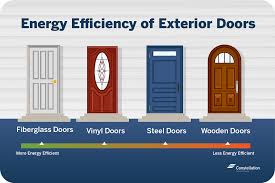
- Wooden doors: Solid wood doors can provide excellent insulation if installed correctly, but may require additional measures to achieve optimal performance.
The Role of Light Control
Light control is another crucial aspect of energy savings with doors and windows. By using light-optimizing features like solar shades or skylights, you can:
- Reduce heat gain: Minimize the amount of direct sunlight entering your home during summer months.
- Increase natural lighting: Allow more sunlight to enter your home during winter months, reducing the need for artificial lighting.
Eco-Friendly Doors and Windows: A Cost-Effective Option
While high-end doors and windows may seem expensive upfront, they can provide long-term cost savings on energy bills. Additionally, eco-friendly materials like recycled aluminum or FSC-certified wood can reduce waste and support sustainable practices.
The Benefits of Energy-Efficient Doors and Windows
By investing in energy-efficient doors and windows, you can:
- Reduce energy consumption: Save money on your energy bills while minimizing your carbon footprint.
- Improve indoor comfort: Maintain a comfortable temperature throughout the year, reducing the need for heating and cooling systems.
- Enhance property value: Energy-efficient doors and windows can increase your home’s value and appeal to potential buyers.
Optimizing Performance
To maximize energy savings with doors and windows:
- Conduct an energy audit: Assess your home’s energy efficiency and identify areas for improvement.
- Choose the right materials: Select doors and windows that meet your specific climate and insulation needs.
- Install them correctly: Ensure proper installation to prevent air leaks and ensure optimal performance.
Maintenance and Replacement
To maintain the long-term effectiveness of your energy-efficient doors and windows:
- Regularly clean them: Dust and debris can compromise insulation performance, so regular cleaning is essential.
- Check for damage: Inspect your doors and windows regularly for signs of wear or damage, and address any issues promptly.
Conclusion
Energy savings with doors and windows is a simple yet effective way to reduce your environmental impact. By selecting the right materials, features, and designs, you can create a comfortable and sustainable living space. Whether you’re looking to upgrade your existing doors and windows or install new ones, consider the benefits of energy-efficient options for a brighter future.
FAQs
- What is the average cost of installing energy-efficient doors and windows?
- How do I determine the right U-factor for my doors and windows?
- Can I use DIY methods to improve the insulation performance of my existing doors and windows?
- Are there any tax incentives available for energy-efficient door and window installations?
- How can I measure the effectiveness of my new doors and windows in reducing energy consumption?
- What is the difference between a low-E coating and a solar coating on windows?
- Can I install energy-efficient doors and windows myself, or should I hire a professional?
- Are there any local regulations or restrictions on installing energy-efficient doors and windows?


