
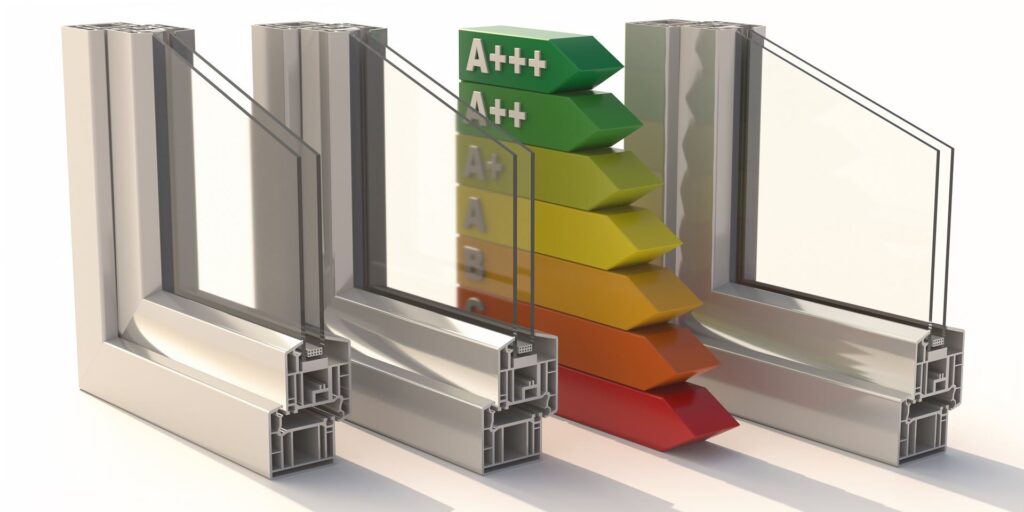
As we strive to reduce our carbon footprint and save on energy bills, installing energy-efficient windows has become an essential consideration for homeowners. These windows not only provide a higher level of insulation but also qualify for significant tax deductions and incentives.
Understanding the Importance of Windows in Energy Efficiency
Windows are often considered the weakest point in a building’s envelope, as they connect the interior of the building to the outside environment. If not properly structured, they can lead to heat loss and gain, causing discomfort and increasing energy bills. However, with the advent of energy-efficient windows, homeowners can enjoy a more comfortable indoor climate while reducing their environmental impact.
Energy-Efficient Windows: A Guide to Choosing the Right Ones
When it comes to choosing energy-efficient windows, there are several factors to consider. Beyond the class energy rating of the window, it’s essential to look at the class of security anti-intrusion and ensure that the chosen window meets the relevant certification standards.
Types of Energy-Efficient Windows
There are several types of energy-efficient windows available in the market, including:
- Double-Glazed Windows: These windows consist of two panes of glass separated by a gap, providing improved insulation and reduced heat transfer.
- Triple-Glazed Windows: Similar to double-glazed windows, triple-glazed windows have three panes of glass, offering even better insulation and energy efficiency.
- Low-E Windows: Low-emissivity (low-E) coatings are applied to the glass surface to reduce heat transfer and prevent radiation losses.
- Gas-Filled Windows: Some energy-efficient windows use gases like argon or krypton to fill the gap between the panes, further reducing heat transfer.
Tax Incentives for Energy-Efficient Windows
Homeowners who purchase energy-efficient windows may be eligible for tax deductions up to 65%. These deductions cover both the cost of the windows and their installation. To qualify, homeowners must undergo a building energy audit and demonstrate that they have carried out renovations to improve energy efficiency.
Changes in Tax Incentives from 2017
From January 1st, 2017, tax incentives for energy-efficient windows changed with the update of the text of the Stability Law 2017. The bonus for home renovation now only covers 36% of the expenditure spent.
Key Parameters to Consider When Buying Energy-Efficient Windows
To qualify for tax deductions, homeowners must meet specific parameters set by the Italian Revenue Agency (Agenzia delle Entrate). These include ensuring that the windows have a minimum annual energy consumption reduction of at least 20%. This parameter is based on the transmission coefficient of the window.
Transmission Coefficient and Window Classification
The transmission coefficient is an important factor in determining the efficiency of windows. It measures how much heat passes through the glass over a given period. The classification for energy efficiency of windows depends on their transmission coefficient, which ranges from A to F.
- Class A: Windows with a transmission coefficient below 0.25 are classified as Class A and offer high energy efficiency.
- Class B: Windows with a transmission coefficient between 0.25 and 0.3 are classified as Class B and provide moderate energy efficiency.
- Class C: Windows with a transmission coefficient between 0.3 and 0.4 are classified as Class C and offer lower energy efficiency.
- Class D: Windows with a transmission coefficient between 0.4 and 0.5 are classified as Class D and provide limited energy efficiency.
- Class E: Windows with a transmission coefficient between 0.5 and 0.6 are classified as Class E and offer even lower energy efficiency.
- Class F: Windows with a transmission coefficient above 0.6 are classified as Class F and have the lowest energy efficiency.
Assessing Climate Zones and Their Impact on Window Efficiency
Homeowners must consider the climate zone they reside in when selecting energy-efficient windows. There are six distinct climate zones, ranging from Zone A (the warmest regions) to Zone F (the coldest regions). Each zone has specific requirements for transmission coefficients to ensure optimal insulation.
Climate Zones and Their Transmission Coefficient Requirements
- Zone A: Windows with a transmission coefficient below 0.25 are required.
- Zone B: Windows with a transmission coefficient between 0.25 and 0.3 are required.
- Zone C: Windows with a transmission coefficient between 0.3 and 0.4 are required.
- Zone D: Windows with a transmission coefficient between 0.4 and 0.5 are required.
- Zone E: Windows with a transmission coefficient between 0.5 and 0.6 are required.
- Zone F: Windows with a transmission coefficient below 0.7 are required.
Certification and Material Requirements for Energy-Efficient Windows
When purchasing energy-efficient windows, it’s crucial to choose products that meet certification standards. The primary parameter considered is the transmission coefficient, which can be measured using laboratory tests or approximate calculations. Materials with high thermal mass, such as aluminum and PVC, are particularly effective in reducing heat transfer.
Choosing Between Aluminum-Legged Windows and PVC
Between aluminum-legged windows and PVC ones, the latter offers several advantages. While more expensive upfront, PVC windows provide excellent insulation, resistance to weathering, and durability. They’re ideal for homes located in humid or coastal areas, as they resist moisture damage better than wood-based alternatives.
Factors to Monitor When Buying Energy-Efficient Windows
While materials like profiles are essential, it’s equally important to evaluate the double-glazed glass and its transmission coefficient. This determines how much heat is transferred through the window.
Conclusion
Energy-efficient windows have become an indispensable consideration for homeowners seeking to save on energy bills while reducing their environmental footprint. By understanding key parameters such as transmission coefficients, climate zones, and certification standards, homeowners can make informed decisions when purchasing these windows. As we strive towards a more sustainable future, investing in energy-efficient windows is an essential step towards creating a more comfortable and environmentally friendly indoor climate.
Frequently Asked Questions (FAQs)
- What are the benefits of installing energy-efficient windows?
Installing energy-efficient windows can save you money on your energy bills while also providing a more comfortable living space. - How do I determine if my windows need to be replaced?
Signs that your windows may require replacement include excessive heat gain or loss, noise pollution, and increased energy consumption. - What are the tax incentives for energy-efficient windows in Italy?
Homeowners who purchase energy-efficient windows may qualify for a 65% tax deduction on their expenditure, covering both the cost of the windows and installation costs. - Can I still claim tax incentives if I install windows after 2016?
While tax incentives were previously limited to installations made by December 31st, 2016, homeowners who carry out renovations post-2017 may still qualify for a reduced incentive of 36%. - What is the minimum annual energy consumption reduction required for tax deductions?
To qualify for tax deductions, windows must have an annual energy consumption reduction of at least 20%, as determined by the Italian Revenue Agency (Agenzia delle Entrate). - How do I ensure my new windows meet certification standards?
When purchasing energy-efficient windows, look for products that meet relevant certification standards and assess their transmission coefficient to determine efficiency. - What is the difference between a transmission coefficient of A and F in terms of window efficiency?
A transmission coefficient of A represents high-efficiency windows while one with an F rating indicates lower performance. - Can I claim tax incentives for renovations made on other areas of my home, not just windows?
Tax incentives are currently only available for energy-efficient window installations; however, future legislation may expand to cover other renovation projects.
Additional Tips and Considerations
- Energy-Efficient Window Installation: Ensure that your windows are installed by a certified professional to ensure optimal efficiency and performance.
- Window Maintenance: Regularly clean and maintain your windows to prevent debris buildup and ensure proper function.
- Energy Efficiency in Other Home Renovations: Consider other energy-efficient renovations, such as installing insulation or upgrading your heating system, to maximize the benefits of energy-efficient windows.
By following these guidelines and considering the additional tips and considerations, homeowners can make informed decisions when purchasing energy-efficient windows and take steps towards creating a more comfortable and environmentally friendly indoor climate.


