
Unlocking Energy Savings in Your Home: Practical Tips for a Greener Future
As we strive to reduce our carbon footprint and lower energy costs, it’s essential to explore effective ways to conserve energy at home. In this article, we’ll delve into the world of energy savings, providing you with practical tips and guidance on how to make your home more efficient.
The Importance of Energy Efficiency
Energy efficiency is crucial for several reasons. Firstly, reducing energy consumption helps lower greenhouse gas emissions and mitigates climate change. Secondly, it saves you money on your utility bills, which can be a significant expense for many households. Lastly, implementing energy-efficient measures can increase the value of your property and contribute to a more sustainable future.
A Guide to Energy Savings in Your Home
To help you get started, we’ve categorized our tips into a hierarchical structure, with the most effective solutions at the top. This approach ensures that you tackle the most critical areas first, while also providing options for those who may not be ready for more substantial investments.
The Top Tier: Renewable Energy Systems
At the pinnacle of energy savings lies the adoption of renewable energy systems:
- Solar thermal systems for water heating
- Photovoltaic panels for electricity generation
- Domestic wind turbines for self-produced electricity
These solutions offer a significant impact on reducing your carbon footprint, but they often require substantial upfront investments.
Pros and Cons of Renewable Energy Systems:
| Type | Pros | Cons |
|---|---|---|
| Solar Thermal System | High efficiency rate, lower operating costs, and extended lifespan. | High upfront cost, land requirements, and maintenance needs. |
| Photovoltaic Panel | Zero emissions, low operating costs, and long-term savings. | High upfront cost, installation challenges, and land space requirements. |
| Domestic Wind Turbine | Self-sufficient energy production, reduced reliance on grid power, and lower operating costs. | Noise pollution, visual impact, and maintenance needs. |
Case Study: A Home with a Solar Thermal System
A homeowner in California installed a solar thermal system to heat their water. The system consists of 10 solar panels that generate enough electricity to heat the home’s water for an entire year, resulting in significant savings on utility bills.
By investing in renewable energy systems, homeowners can not only reduce their carbon footprint but also increase their property value and contribute to a more sustainable future.
The Middle Tier: Building Envelope and Insulation
The next level of energy savings focuses on optimizing your home’s building envelope and insulation:
- Insulation and thermal bridging techniques to minimize heat loss
- Double-glazed windows for reduced heat transfer
By implementing these measures, you can significantly improve the energy efficiency of your home while minimizing costs.
Benefits of Building Envelope and Insulation:
| Measure | Benefits |
|---|---|
| Insulation | Reduced heat loss, lower utility bills, and increased comfort. |
| Thermal Bridging | Reduced heat transfer, improved energy efficiency, and enhanced durability. |
Designing a Well-Insulated Home
A well-insulated home can make a significant difference in reducing energy consumption. Here are some design tips to create an energy-efficient home:
- Use insulation materials with high R-values (thermal resistance)
- Optimize window placement for maximum natural light and ventilation
- Incorporate thermal mass elements, such as concrete or brick, to regulate indoor temperatures
By prioritizing building envelope and insulation, homeowners can enjoy significant energy savings while maintaining a comfortable living space.
The Lower Tier: Windows and Lighting
Moving down the hierarchy, we find solutions that enhance natural lighting and reduce energy consumption:
- Energy-efficient windows with low-E coatings
- LED lighting for reduced power consumption
These options are more accessible and can be implemented at a lower cost, making them an excellent starting point for your energy savings journey.
Benefits of Windows and Lighting:
| Measure | Benefits |
|---|---|
| Energy-Efficient Windows | Reduced heat transfer, lower utility bills, and improved comfort. |
| LED Lighting | Reduced power consumption, longer lifespan, and enhanced aesthetic appeal. |
Choosing the Right Windows for Your Home
When selecting windows, consider factors such as:
- Type: double-glazed, triple-glazed, or low-E coated
- Material: vinyl, wood, aluminum, or fiberglass
- Size: optimize window placement for maximum natural light and ventilation
By investing in energy-efficient windows and lighting, homeowners can enjoy significant energy savings while enhancing their living space.
The Entry-Level Tier: Behavioral Changes
Finally, we have solutions that focus on behavioral changes to reduce energy consumption:
- Using timers and smart devices to optimize energy usage
- Adopting sustainable habits in daily life
These measures are easy to implement and require little to no investment, making them an excellent starting point for your energy savings journey.
Benefits of Behavioral Changes:
| Measure | Benefits |
|---|---|
| Timers and Smart Devices | Optimized energy usage, reduced standby power consumption, and improved convenience. |
| Sustainable Habits | Reduced energy consumption, lower utility bills, and enhanced well-being. |
Implementing Energy-Efficient Habits in Your Daily Life
Here are some simple habits to adopt for a more sustainable lifestyle:
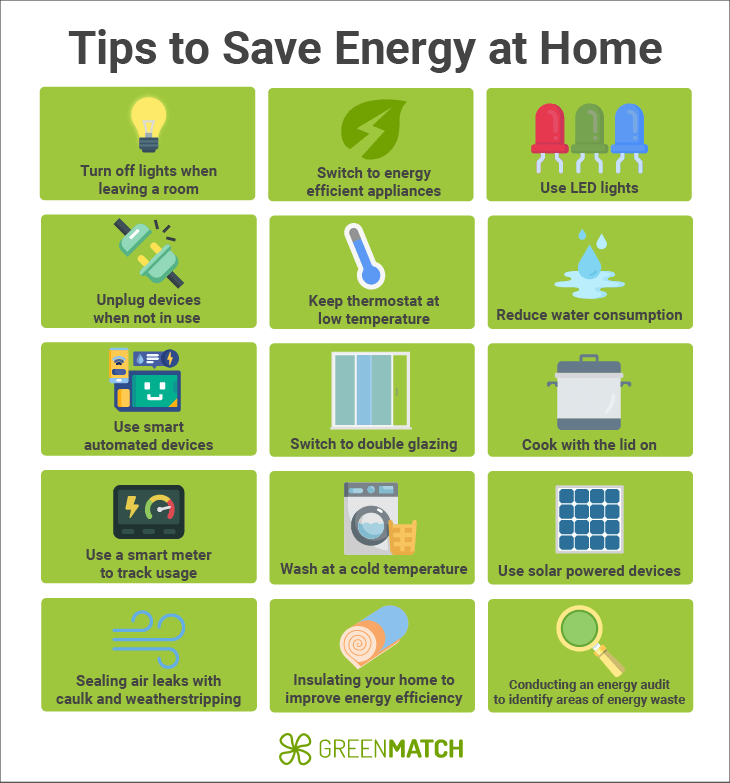
- Turn off lights, electronics, and appliances when not in use
- Use power strips to eliminate standby power consumption
- Adjust your thermostat to optimize energy usage
By incorporating these behavioral changes into your daily routine, you’ll be well on your way to unlocking significant energy savings and contributing to a more sustainable future.
Additional Tips for Energy Efficiency
In addition to the solutions outlined above, there are several other ways to enhance your home’s energy efficiency:
- Replacing old appliances with energy-efficient models
- Using power strips to eliminate standby power consumption
- Conducting regular energy audits to identify areas for improvement
By incorporating these tips into your daily routine, you’ll be well on your way to unlocking significant energy savings and contributing to a more sustainable future.
FAQs
Here are some frequently asked questions related to energy efficiency:
Q: How can I determine the energy efficiency of my home?
A: Conducting an energy audit will help identify areas for improvement and provide personalized recommendations.
Q: What is the best way to finance renewable energy systems?
A: Explore government incentives, financing options, and tax credits to find the most suitable solution for your needs.
Q: Can I still achieve significant energy savings without investing in new equipment?
A: Absolutely! Behavioral changes and energy-efficient habits can make a substantial impact on your energy consumption.
Q: How often should I update my home’s insulation and windows?
A: Regular maintenance and inspections will help ensure optimal performance and extend the lifespan of these essential components.
Q: Are there any specific safety considerations when implementing renewable energy systems?
A: Yes, consult with certified professionals to ensure safe installation and operation.
Q: Can I use renewable energy sources like solar or wind power in my home?
A: Yes, explore local regulations and incentives to determine if a renewable energy system is suitable for your needs.


