
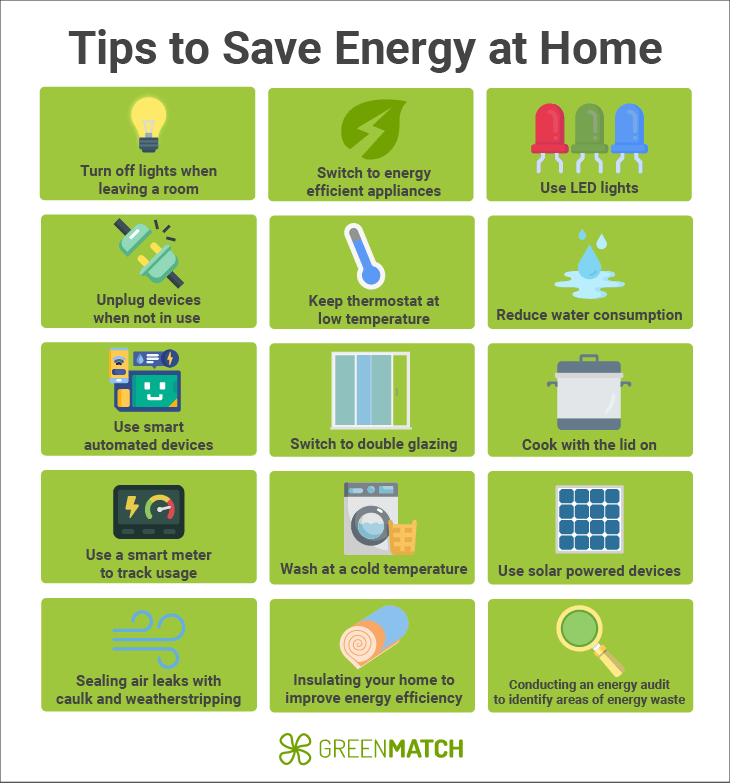
Are you looking to save energy and reduce your electricity bill? It’s never too late to start thinking about energy efficiency in your home! In this article, we’ll provide you with a series of practical tips on how to reduce your electricity consumption and lower your costs.
Understanding Energy Efficiency
Before we dive into the tips, let’s quickly cover some basics. Energy efficiency is about reducing the amount of energy you use while still meeting your needs. This can be achieved by making simple changes to your daily habits and investing in energy-efficient appliances.
Energy efficiency is not only good for the environment, but it also saves you money on your electricity bill. By reducing your energy consumption, you can lower your utility bills, reduce your carbon footprint, and even increase the value of your property. Plus, many utilities offer rebates and incentives for residents who make energy-efficient upgrades.
Choosing the Right Appliances
When it comes to buying new appliances, look for ones with a high energy efficiency rating (A+ or higher). Make sure to read the energy label and check for certifications like Energy Star, which indicates that the product meets strict energy efficiency standards. When shopping for a computer, pay attention to its energy consumption as well.
Consider the following factors when choosing energy-efficient appliances:
- Look for appliances with high energy efficiency ratings (e.g., A+ or higher).
- Check if the appliance has any additional features, such as eco-mode or energy-saving settings.
- Consider purchasing refurbished or second-hand appliances, which can be just as energy-efficient as new ones.
Understanding Your Electricity Provider
Your electricity provider plays a significant role in helping you save money on your bills. Research different providers and compare their tariffs to find one that suits your needs. Additionally, consider switching to a provider that offers a fixed-rate tariff, which can help you budget better.
Some things to consider when choosing an electricity provider:
- Look for providers that offer competitive rates and flexible payment plans.
- Check if the provider has any additional features, such as energy-saving incentives or rewards programs.
- Consider purchasing an energy storage system from your provider, which can help you store excess energy generated by solar panels or other renewable sources.
Reducing Energy Consumption at Home
Here are some practical tips for reducing energy consumption at home:
Lighting Efficiency
When it comes to lighting, there are several ways to reduce energy consumption:
- Use LED light bulbs, which use significantly less energy than traditional incandescent bulbs.
- Consider installing a smart light system with timers and sensors to optimize your lighting usage.
- Avoid using lamps with large shades or skylights, as they can absorb more energy.
- Install mirrors or reflective surfaces to bounce natural light around the room.
Appliance Efficiency
To reduce energy consumption with appliances:
- Check the energy rating of each appliance and choose ones that meet your needs.
- Position your refrigerator in a well-ventilated area to ensure efficient cooling.
- Avoid overloading your dishwasher, as this can increase energy consumption.
- Consider investing in an inverter fridge, which is more energy-efficient than traditional fridges.
Washing Machine and Dishwasher Efficiency
To optimize energy efficiency with your washing machine and dishwasher:
- Run full loads to minimize the number of cycles needed.
- Choose a high-efficiency washing machine or dishwasher, as these use significantly less water and energy.
- Consider installing a timer for your washing machine and dishwasher to ensure they’re only running when necessary.
Bathroom Efficiency
To reduce energy consumption in the bathroom:
- Install low-flow showerheads and toilets to conserve water.
- Use a clothesline or drying rack instead of a tumble dryer, which can be an energy-intensive appliance.
- Consider installing solar panels or a power-saving light system for your bathroom.
Energy-Efficient Practices
To further reduce your energy consumption:
- Switch off lights, electronics, and appliances when not in use.
- Use natural light during the day by opening curtains and blinds.
- Adjust your thermostat to use less energy for heating and cooling.
- Consider upgrading to a programmable thermostat to optimize your temperature settings.
Home Automation
Consider investing in home automation systems that can help you control your energy usage. These systems can be integrated with smart devices, such as thermostats and lighting controls, to optimize your energy consumption.
Some popular home automation options include:
- Smart thermostats: These can learn your schedule and preferences to optimize heating and cooling.
- Smart lighting systems: These can adjust their brightness and color based on the time of day and natural light availability.
- Home energy monitoring systems: These can track your energy usage in real-time, providing you with insights into how you can reduce your consumption.
Frequently Asked Questions
- What is the most energy-efficient way to light my home?
LED light bulbs are the most energy-efficient option for lighting your home. They use significantly less energy than traditional incandescent bulbs and can last up to 25 times longer. - How often should I replace my appliances?
Replace your appliances every 5-10 years or when they reach the end of their lifespan. Newer appliances are designed to be more energy-efficient and consume less power. - Can I save money by using a timer on my washing machine and dishwasher?
Yes, using a timer can help you save money by ensuring that your appliances only run when necessary. Aim to use these timers for at least 75% of the time. -
How can I reduce energy consumption in my bathroom?
To reduce energy consumption in your bathroom, consider installing low-flow showerheads and toilets, using a clothesline or drying rack instead of a tumble dryer, and adjusting your water heater settings. -
What is the most effective way to save money on my electricity bill?
By implementing a combination of these tips, including replacing incandescent bulbs with LED bulbs, optimizing appliance usage, and switching off lights and electronics when not in use.
Additional Tips for Reducing Energy Consumption
Here are some additional tips to help you reduce your energy consumption:
- Conduct an energy audit: Hire a professional to conduct an energy audit of your home to identify areas where you can improve energy efficiency.
- Add insulation: Proper insulation can help reduce heat loss and gain, saving you money on heating and cooling costs.
- Use power strips: Plug your electronics into power strips and turn off the strip when not in use to eliminate standby power consumption.
- Weatherize your home: Seal air leaks, add weatherstripping around doors and windows, and install storm windows to prevent heat from escaping.
By implementing these tips, you’ll be well on your way to reducing your energy consumption and lowering your bills. Remember, every small change can add up to make a big difference!


