
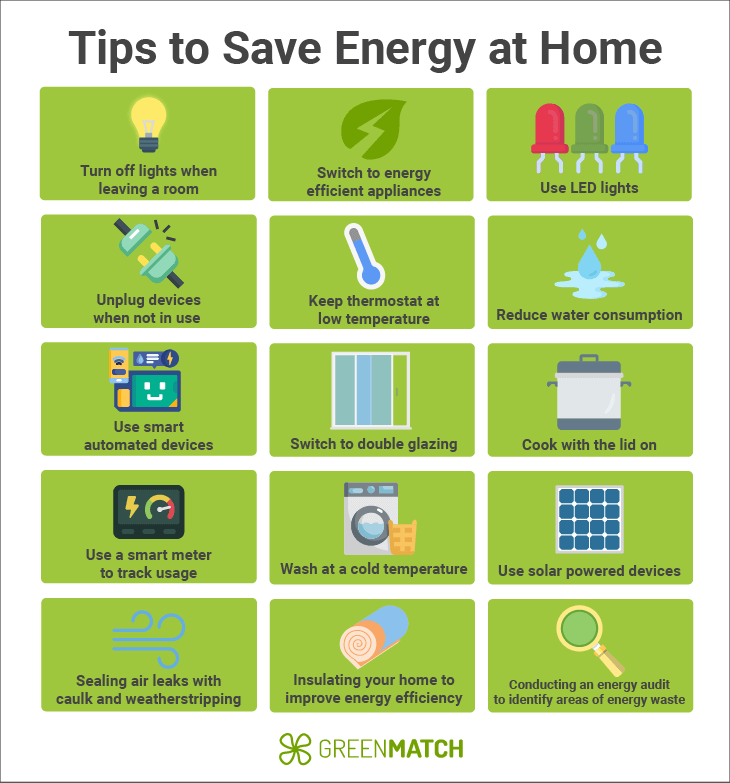
As you spend most of your time in the kitchen, it’s easy to overspend on energy consumption. However, by implementing a few simple habits and adjusting your cooking methods, you can significantly reduce your energy bills.
The use of efficient resources is essential for preserving the environment and saving money. In this article, we’ll explore 10 golden rules for reducing energy waste in the kitchen, ensuring that your home becomes more eco-friendly and economically stable.
Getting Started: Understanding Energy Loss
Before diving into the tips, it’s essential to understand where energy loss occurs in the kitchen. A leaky faucet, an old refrigerator, or inadequate insulation can lead to significant energy waste. Address these issues by:
- Cleaning filters
- Replacing or repairing appliances
- Inspecting and maintaining guarnitions on ovens and fridges
- Evaluating the age of your appliances
Energy loss in the kitchen can occur through various means, including:
- Inefficient appliances: Old or poorly maintained appliances can consume excessive energy.
- Leaky faucets: Leaks can waste significant amounts of water, which is often heated and consumed by your home’s energy system.
- Poor insulation: Insufficient insulation in the kitchen can lead to heat loss during cooking and eating.
- Inadequate dishwashing habits: Running full loads in the dishwasher or using hot water for washing dishes can waste energy.
10 Golden Rules for Efficient Energy Saving in the Kitchen
1. Eliminate Leaks and Inefficiencies
Ensure that all faucets, fridges, and ovens are working efficiently by:
- Fixing leaks
- Replacing or repairing old appliances
- Inspecting guarnitions on ovens and fridges
- Evaluating the age of your appliances
2. Manage Food Waste and Scarcity
To minimize energy waste, manage food scraps and optimize meal planning:
- Create a grocery list to avoid buying unnecessary items
- Use up all the ingredients in your fridge before they expire
- Repurpose leftover food for new meals or use it as compost
Food waste is a significant contributor to greenhouse gas emissions. By reducing food waste, you can minimize energy consumption and contribute to a more sustainable environment.
3. Efficient Dishwashing
Optimize dishwashing by using modern appliances and techniques:
- Run full loads in the dishwasher to minimize water consumption
- Only run the dishwasher when necessary, and at maximum capacity
4. Utilize Stovetop Water
Make the most of stovetop water for various uses beyond cooking:
- Use pasta water as a face mask or hair treatment (see our article on recycling pasta water)
- Irrigate plants with boiled water
- Prepare broths and soups
Stovetop water can be used for numerous purposes, from skincare to plant irrigation. By utilizing this resource efficiently, you can reduce your energy consumption and create a more sustainable home.
5. Safe Cleaning Products
Switch to eco-friendly cleaning products and avoid harsh chemicals that can irritate skin and respiratory systems:
- Choose natural and non-toxic detergents for kitchen cleaning
- Avoid using abrasive sponges or scrubbers on cookware
Eco-friendly cleaning products are essential for creating a healthier home. By choosing natural and non-toxic cleaners, you can minimize your exposure to harsh chemicals and contribute to a more sustainable environment.
6. Switch Off Appliances When Not in Use
Optimize energy consumption by switching off appliances, including TVs, microwaves, and coffee makers when not in use.
Switching off appliances when not in use is an easy way to reduce energy consumption and save money on your energy bills. By making this habit a part of your daily routine, you can create a more sustainable home.
7. Microwave Cooking: A More Efficient Alternative
Prefer microwave cooking for small meals to minimize gas usage:
- Use microwave ovens when possible
- Cook meals quickly using the microwave
Microwave cooking is an efficient way to cook small meals. By utilizing this method, you can reduce your energy consumption and create a more sustainable home.
8. Utilize Residual Heat
Maximize energy efficiency by utilizing residual heat during cooking:
- Close oven doors and finish cooking with the existing heat
- Avoid opening oven doors while cooking to retain heat
Residual heat is a valuable resource that can be utilized to reduce energy consumption. By closing oven doors and finishing cooking with the existing heat, you can minimize your energy usage.
9. Natural Stone Cooking Pans
Utilize natural stone pans for long-cooking meals, as they release heat gradually:
- Use stone cookware for slow-cooked dishes like stews or braises
- Take advantage of the gentle, steady heat released by stone pans
Natural stone pans are an excellent way to cook long-lasting meals. By utilizing this type of cookware, you can create a more sustainable home.
10. Bollitor Error: Don’t Overfill the Kettle!
Prevent unnecessary energy waste by not overfilling the kettle:
- Only use enough water necessary for cooking
- Avoid overfilling the kettle to minimize gas consumption
Not overfilling the kettle is a simple habit that can make a significant difference in reducing energy waste. By only using the necessary amount of water, you can create a more sustainable home.
By following these 10 golden rules, you can significantly reduce your kitchen’s energy consumption and create a more sustainable home.


